You drink water throughout the day. You have a water bottle on your desk. You think you're hydrated. But are you really?
Studies show that up to 75% of Americans are chronically dehydrated without realizing it. The symptoms are so common that most people dismiss them as "normal" - fatigue, headaches, difficulty concentrating, and even weight gain.
Here are the surprising signs that you're not drinking enough water, even if you think you are.
The Obvious Signs (That We Often Ignore)
1. Your Urine Is Dark Yellow
This is the #1 indicator of hydration status. Your urine should be pale yellow, like lemonade. If it's:
- Clear: You may be overhydrating
- Pale yellow: Perfect hydration
- Dark yellow: You need more water
- Amber or honey: You're dehydrated
Check your urine color first thing in the morning - this is when it's most concentrated and gives the clearest picture of your hydration.
2. You Feel Thirsty
Here's the thing about thirst: by the time you feel it, you're already 1-2% dehydrated. That might not sound like much, but even mild dehydration affects physical and mental performance.
Don't wait for thirst. Drink water consistently throughout the day based on your calculated needs. Use our Water Intake Calculator to find your ideal amount.
3. Your Mouth and Lips Are Dry
Dry mouth isn't just uncomfortable - it's your body conserving water by reducing saliva production. Chronic dry mouth can also lead to:
- Bad breath
- Difficulty swallowing
- Increased tooth decay
- Cracked lips
The Surprising Signs You Might Not Connect to Dehydration
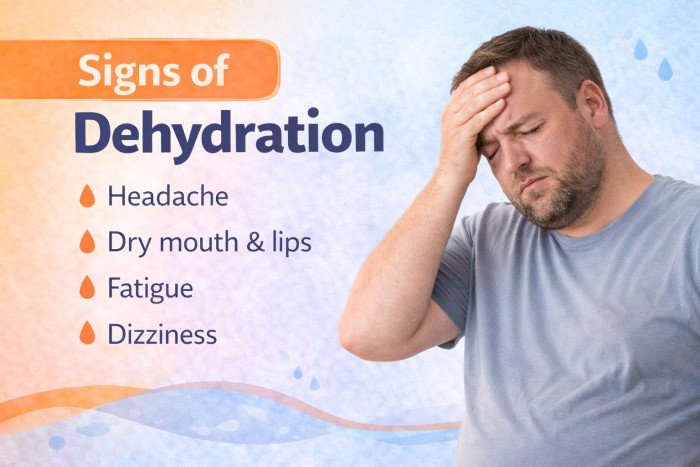
4. You're Constantly Tired
Reaching for coffee when you feel sluggish? Dehydration is a leading cause of daytime fatigue. Even a 1.5% decrease in hydration can cause:
- Reduced energy levels
- Mood changes
- Difficulty concentrating
- Decreased alertness
Before your next cup of coffee, try drinking a glass of water first. You might be surprised how much better you feel.
5. You Have Frequent Headaches
Dehydration headaches are real. When you don't drink enough water:
- Your brain temporarily contracts from fluid loss
- This triggers pain receptors
- The result is a dull, persistent headache
Studies show that drinking water can relieve dehydration headaches within 30 minutes to 3 hours. If you get frequent headaches, track your water intake for a week - the connection might surprise you.
6. You're Struggling to Lose Weight
This one catches many people off guard. Dehydration affects weight in multiple ways:
- Slowed metabolism: Your body burns calories less efficiently when dehydrated
- Confused hunger signals: The brain often mistakes thirst for hunger, leading to unnecessary snacking
- Water retention: Paradoxically, not drinking enough causes your body to hold onto water
- Reduced exercise performance: You burn fewer calories during workouts
Learn more about how water affects weight loss.
7. Your Skin Is Dry or Less Elastic
Try this simple test: pinch the skin on the back of your hand. Well-hydrated skin snaps back immediately. Dehydrated skin takes longer to return to normal.
Other skin signs of dehydration:
- Dull, lackluster complexion
- More visible fine lines
- Dry, flaky patches
- Increased sensitivity
8. You're Constipated
Water is essential for healthy digestion. When you're dehydrated, your colon absorbs water from food waste to hydrate your body, resulting in hard, dry stools that are difficult to pass.
If you struggle with regularity, increasing water intake is often more effective than fiber supplements alone.
9. You Get Muscle Cramps
Muscles need water to function properly. Dehydration causes:
- Electrolyte imbalances
- Reduced blood flow to muscles
- Cramping and spasms
- Slower recovery after exercise
If you experience leg cramps at night, inadequate hydration could be the culprit.
10. You Feel Dizzy or Lightheaded
Dehydration reduces blood volume, which means less oxygen reaches your brain. This can cause:
- Dizziness when standing up
- Lightheadedness
- Feeling faint
- Poor balance
11. Your Heart Beats Faster Than Normal
When you're dehydrated, your blood becomes thicker and your heart has to work harder to pump it. You might notice:
- Elevated resting heart rate
- Heart palpitations
- Feeling your heart "pound"
12. You're More Irritable and Anxious
Dehydration affects your mood more than you might think. Research shows that even mild dehydration increases:
- Irritability and frustration
- Anxiety symptoms
- Difficulty handling stress
- Negative mood states
How Much Water Do You Actually Need?
The amount varies based on your weight, activity level, and climate. Here's a quick reference:
| Body Weight | Daily Water Needed |
|---|---|
| 120 lbs | 60 oz (1.8 L) |
| 150 lbs | 75 oz (2.2 L) |
| 180 lbs | 90 oz (2.7 L) |
| 200 lbs | 100 oz (3.0 L) |
| 250 lbs | 125 oz (3.7 L) |
Use our Water Intake Calculator for a personalized recommendation based on your weight, activity, and climate.
Learn more: How much water should I drink based on my weight?
How to Fix Chronic Dehydration
Start Your Day with Water
Drink 16-20 oz of water first thing in the morning, before coffee or breakfast. You're naturally dehydrated after 7-8 hours of sleep.
Set Reminders
Until hydration becomes a habit, set hourly phone reminders to drink water.
Use Visual Cues
Keep a water bottle visible at all times - on your desk, in your car, next to your bed.
Track Your Intake
Use an app or simply mark your water bottle with time goals. Seeing your progress helps maintain motivation.
Eat Water-Rich Foods
Supplement your water intake with hydrating foods:
- Cucumber (96% water)
- Watermelon (92% water)
- Strawberries (91% water)
- Lettuce (96% water)
- Oranges (87% water)
Make It Enjoyable
If plain water is boring, add:
- Fresh lemon or lime slices
- Cucumber and mint
- Berries
- A splash of 100% fruit juice
When to See a Doctor
Most dehydration is easily fixed by drinking more water. However, seek medical attention if you experience:
- Severe dizziness or confusion
- Rapid heartbeat that doesn't improve
- Fainting
- No urination for 8+ hours
- Blood in urine
- Signs of dehydration during illness (fever, vomiting, diarrhea)
Frequently Asked Questions
What are the first signs of not drinking enough water?
The earliest signs include thirst, dark yellow urine, dry mouth, fatigue, and mild headaches. Many people dismiss these as normal, but they're your body's first warnings of dehydration.
Can dehydration cause weight gain?
Yes, dehydration can contribute to weight gain in several ways: it slows metabolism, triggers hunger signals that are actually thirst, causes water retention, and reduces exercise performance. Learn more about water and weight loss.
How can I tell if I'm drinking enough water?
Check your urine color - it should be pale yellow like lemonade. Other signs of adequate hydration include consistent energy, clear thinking, regular bowel movements, and not feeling thirsty. Use our Water Intake Calculator to find your ideal amount.
How quickly can dehydration be reversed?
Mild dehydration can be corrected within 45 minutes to 2 hours by drinking water consistently. More severe dehydration may take 24-48 hours of adequate intake to fully resolve.
Start Hydrating Properly Today
If you recognized yourself in any of these signs, you're not alone. The good news is that proper hydration is one of the simplest health improvements you can make.
Calculate your exact water needs with our Free Water Intake Calculator. Get personalized recommendations based on your weight, activity level, and goals.
Your body will thank you within days - more energy, clearer skin, better digestion, and improved focus are just a few glasses of water away.