Beyond Biscuits: 5 Healthy & Fun Snacks Your Toddler Will Actually Eat

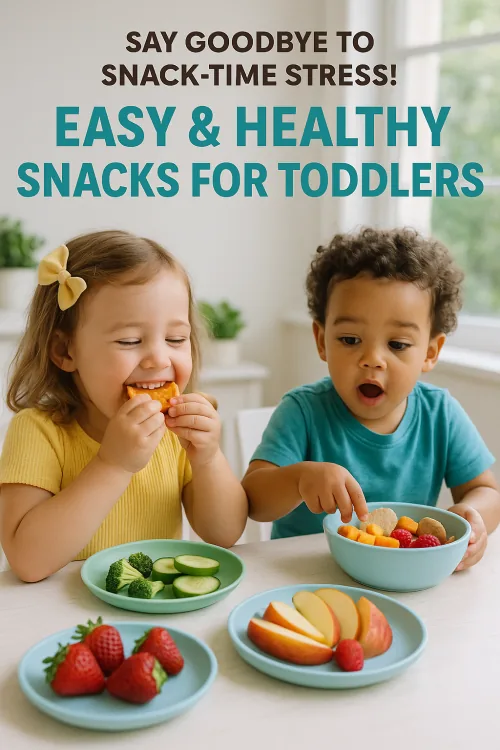
Say Goodbye to Snack-Time Stress! Easy & Healthy Snacks for Toddlers

Hello, amazing mamas!

We’ve all been there. It’s that time between meals, your toddler is starting to get fussy, and the battle for a healthy snack begins. It can be tempting to reach for a pre-packaged biscuit or juice box, but we know that nourishing their tiny, growing bodies is a top priority.

But what if snack time could be easy, nutritious, and fun? It can! Here at My Little Wellness, we believe in simple solutions for busy moms. Here are five go-to healthy snacks for toddlers that are packed with goodness and are genuinely kid-approved.


1. Rainbow Fruit Kebabs


Toddlers eat with their eyes first! The vibrant colors of these kebabs are irresistible to little ones.

  • What You Need: A few soft fruits like bananas, seedless grapes (cut in half lengthwise), chunks of melon, and strawberries. You can also use blueberries or mango. Use toddler-safe skewers or lollipop sticks.
  • Why They’re Great: This snack is a powerhouse of vitamins, antioxidants, and fiber. It’s a fantastic way to introduce different fruits and practice fine motor skills as they pick the fruit off the stick.
  • Quick Tip: Serve with a small bowl of plain yogurt for dipping to add a boost of protein and calcium!


2. Creamy Avocado ‘Boats’


Avocado is one of nature’s perfect foods for little ones, full of healthy fats crucial for brain development.

  • What You Need: Half a ripe avocado, a tiny pinch of salt (optional), and a splash of lemon juice to prevent browning.
  • Why They’re Great: It’s incredibly soft, easy for new eaters to manage, and filling. The healthy fats will keep them satisfied until their next meal.
  • Quick Tip: Simply mash the avocado and serve it in its own skin (the ‘boat’) with a soft spoon. For older toddlers, you can spread it on a small piece of whole-wheat toast.


3. Veggie Sticks with Hummus Dip


Let’s make veggies exciting! Dipping is a fun activity that can encourage even hesitant eaters to try something new.

  • What You Need: Soft-cooked carrot sticks, cucumber sticks (with the skin peeled), and bell pepper strips. A couple of tablespoons of store-bought or homemade hummus.
  • Why They’re Great: This snack introduces different textures and flavors. Hummus provides protein and fiber, while the veggies are loaded with essential nutrients.
  • Quick Tip: Make sure the vegetable sticks are cut into manageable sizes to prevent any choking hazards. For younger toddlers, steaming carrots until they are soft is a great option.


4. “Ants on a Log”


A timeless classic for a reason! This snack is fun to assemble and combines crunch, creaminess, and a touch of sweetness.

  • What You Need: A celery stick, cream cheese (or peanut butter for toddlers over one, with no allergy concerns), and a few raisins.
  • Why They’re Great: It delivers protein, healthy fats, and a serving of vegetables all in one. Plus, the name itself is enough to get a giggle out of most kids.
  • Quick Tip: Involve your little one in making it! Let them help press the “ants” (raisins) onto the log.


5. Mini Oat & Banana Muffins


Perfect for making ahead of time, these little muffins are naturally sweetened and full of wholesome ingredients.

  • What You Need: One ripe banana (mashed), one egg, a cup of oats, and a dash of cinnamon. Mash it all together, pop into a mini muffin tray, and bake until firm.
  • Why They’re Great: These are free from refined sugar and packed with fiber from the oats and potassium from the banana. They are soft, easy to hold, and perfect for on-the-go snacking.
  • Quick Tip: You can add a tablespoon of yogurt to the mixture for extra moisture and protein. These can be stored in an airtight container for a few days.

Frequently Asked Questions

How many snacks should a toddler have per day?

Most toddlers need 2-3 snacks per day, spaced between meals. Offer snacks at consistent times - typically mid-morning and mid-afternoon. Avoid snacking too close to mealtimes (allow 2-3 hours between eating). This helps maintain appetite for nutritious meals.

What portion sizes are appropriate for toddler snacks?

Toddler portions are smaller than you might think - roughly 1/4 of an adult portion. A serving might be: 2-3 tablespoons of fruit, 1/4 cup of vegetables, half a slice of bread, or 2-3 tablespoons of yogurt. Let your child's hunger cues guide portions rather than forcing them to finish.

How can I get my picky toddler to try new snacks?

Make snacks fun with different shapes, colors, and presentations. Involve your toddler in preparation. Offer new foods alongside familiar favorites. Be patient - it can take 10-15 exposures before acceptance. Never force eating, but continue offering variety. For more tips, see our nutrition guide.

Are store-bought snacks always unhealthy?

Not always, but you need to read labels carefully. Look for snacks with: minimal added sugar (under 5g), whole grains listed first, no artificial colors or flavors, and recognizable ingredients. Good options include whole grain crackers, freeze-dried fruits, and plain rice cakes. Homemade is generally best for controlling ingredients.

What snacks are good for on-the-go?

Portable, mess-free options include: banana (in its peel), cheese cubes in a container, whole grain crackers, rice cakes, the mini oat muffins from this article, squeeze pouches of pureed fruit, and dry cereal. Avoid choking hazards like whole grapes or nuts. Always supervise eating, even in the car.

Can snacks help my toddler's development?

Yes! Snack time offers learning opportunities. Finger foods develop fine motor skills. Exploring textures supports sensory development. Naming foods builds vocabulary. Self-feeding builds independence. For more on developmental benefits, read about the role of playtime in development.

What snacks should toddlers avoid?

Avoid: whole nuts and large chunks (choking hazards), excessive sugar and salt, honey (for under 1 year), processed meats, caffeinated drinks, and anything marketed for adults. Cut round foods like grapes and hot dogs lengthwise. Be cautious with common allergens and introduce them carefully.

afnanyousuf

Wellness Writer

Passionate about helping you live a healthier, happier life.