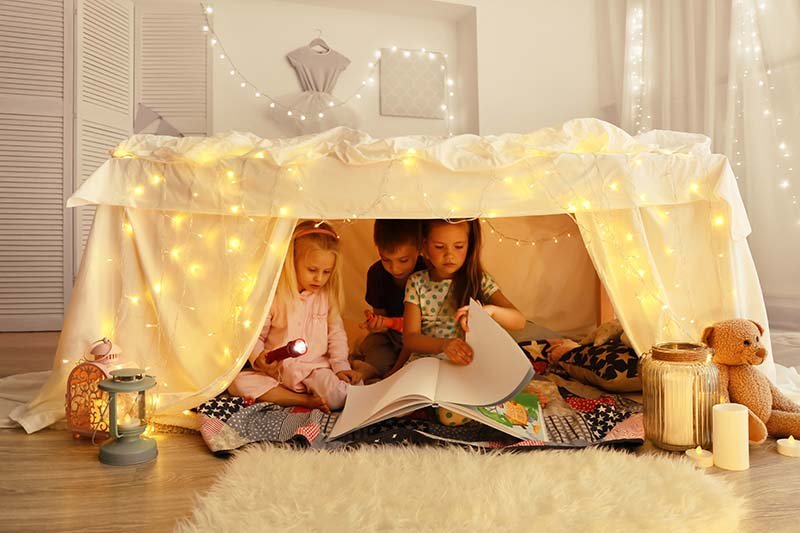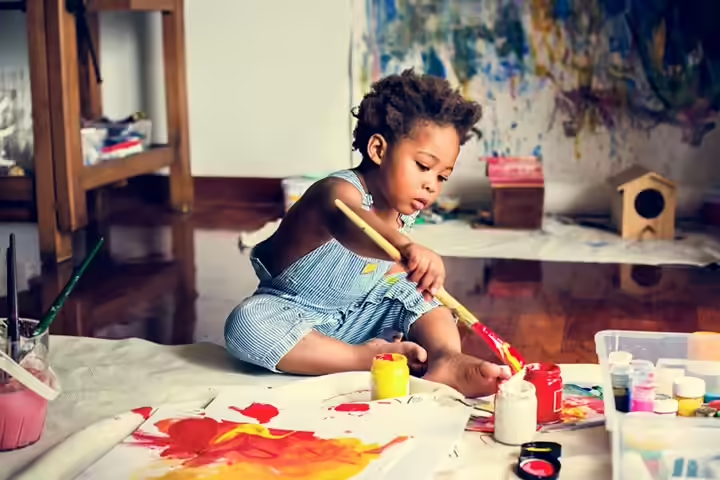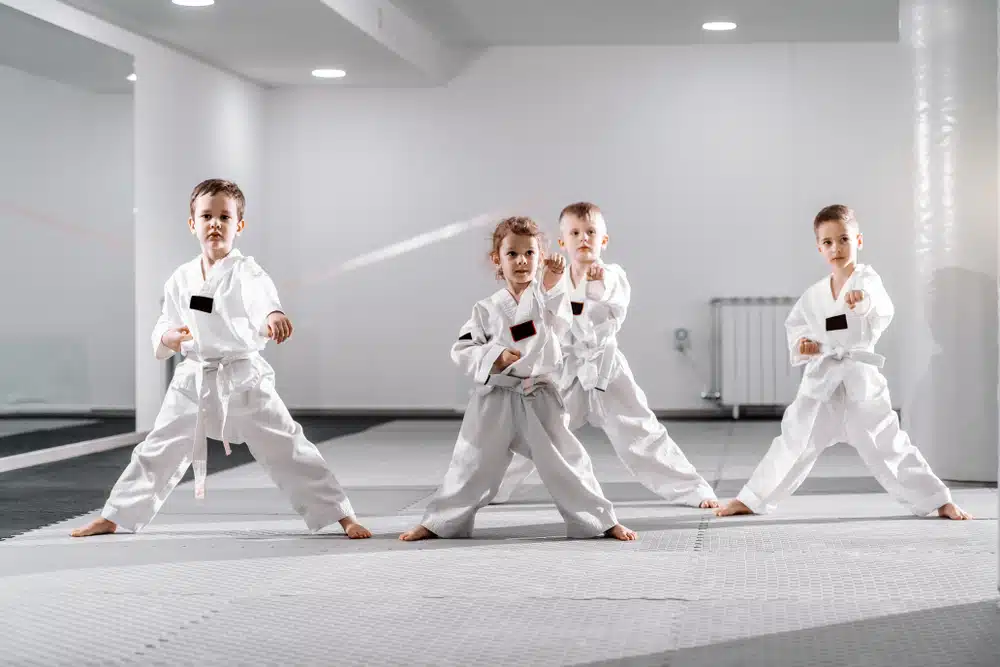
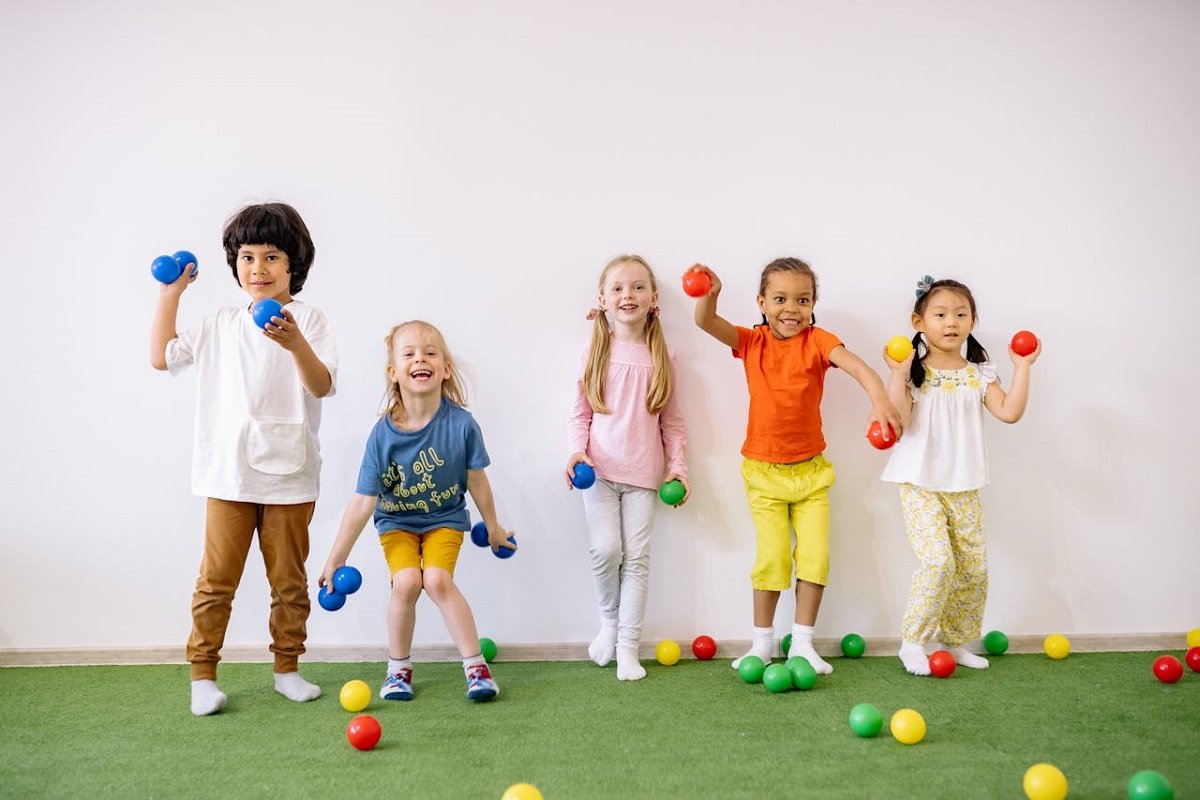
Did you enjoy playing with toys, running outdoors, or spending time with friends when you were a child? Although these activities may have seemed simple and entertaining, they actually played a meaningful role in your growth and emotional development. Play is more than just fun � it is a vital element of a child�s mental, emotional, social, and cognitive development.
Why Play Matters
1.Play promotes learning and skill development
Through play, children explore their surroundings, try new activities, and enhance important skills such as creativity, problem-solving, and critical thinking.
For example:
- Building with blocks strengthens spatial awareness and logical thinking,
- Dress-up or imaginative play boosts creativity and self-expression.
2. Play builds strong social skills
Playing with others teaches children communication, cooperation, empathy, and turn-taking. These experiences help them learn how to manage relationships, share with others, and resolve conflicts effectively.
3. Play reduces stress and anxiety
Children also experience emotional stress � whether from school, family changes, or new environments. Play helps them express their feelings, release tension, and process difficult situations.
Role-playing with toys, for example, allows kids to work through emotions related to moving homes or facing family challenges.
4. Play boosts mood and emotional well-being
When children enjoy free and engaging playtime, they feel happier, more confident, and emotionally secure. Over time, this contributes to a more positive outlook and healthier mental development
How Parents and Caregivers Can Support Play
- Provide a variety of toys and open-ended activities
- Encourage interaction with other children, both in-person and virtually
- Make time for unstructured, child-led play
- Join in the play yourself � shared play strengthens bonding and trust
Conclusion
Play is an essential part of healthy childhood development. By nurturing regular playtime, you help your child grow socially, emotionally, mentally, and physically. A playful childhood creates the foundation for long-term happiness and well-being.
Stay connected with us on Facebook and Instagram for more helpful tips and resources.
Frequently Asked Questions
Children need at least 60 minutes of physical play daily, but unstructured free play should make up a significant portion of their day. Toddlers and preschoolers benefit from 3+ hours of varied play activities spread throughout the day. Quality matters as much as quantity - mix active play with creative and social play.
Structured play has rules and adult guidance (like sports or board games), while unstructured play is child-led with no predetermined goals (like imaginative play or free outdoor exploration). Both are important - structured play teaches rules and teamwork, while unstructured play fosters creativity and independence.
While some educational apps can be beneficial, screen time doesn't provide the same developmental benefits as active, hands-on play. Limit screen time and prioritize physical play, creative activities, and face-to-face social interactions. When using screens, choose interactive educational content and play together with your child.
Start by setting up an inviting play space with accessible toys. Begin play together, then gradually step back. Rotate toys to maintain interest. Accept that children may play briefly before seeking you - that's normal! Avoid interrupting when they're engaged, and praise independent play efforts. Check out our ideas for beating boredom.
The best toys are open-ended and encourage creativity: blocks, playdough, art supplies, dress-up clothes, balls, and simple dolls or figures. Avoid toys that do all the work for children. Often, simple items like cardboard boxes, sand, and water provide more developmental value than expensive electronic toys.
Yes! Messy play is incredibly valuable for development. Playing with sand, mud, water, and paint helps develop sensory processing, fine motor skills, and creativity. It also builds immunity through exposure to natural bacteria. Set boundaries where needed, but embrace the mess - clothes can be washed! For physical development tips, see our growth guide.
Play is a natural stress reliever for children. Through play, they can express emotions they can't verbalize, process difficult experiences, and regain a sense of control. Role-playing with dolls or puppets helps them work through fears. Physical play releases tension, while creative play provides emotional outlet. For anxiety support, read our article on separation anxiety.