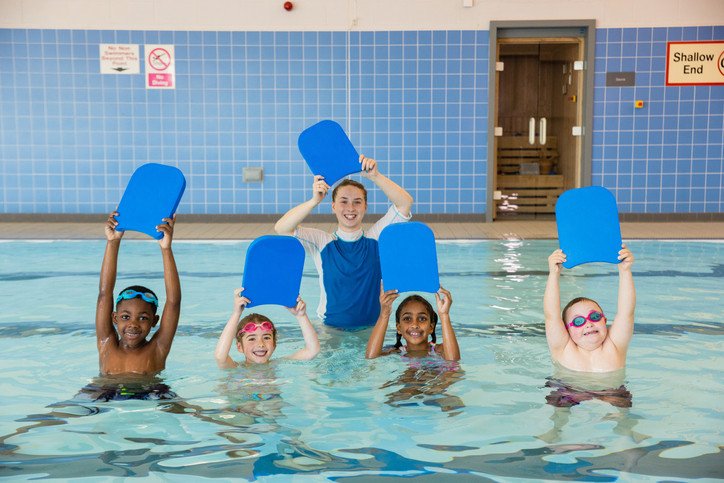

Physical development in children covers both physical growth, such as height, weight, and muscle strength, and motor development, which includes coordination, balance, and the ability to move and interact with their surroundings. While every child grows at their own pace, monitoring and supporting physical development ensures they reach their full potential. Healthy development in early childhood lays the foundation for long-term health, confidence, and well-being.
In this article, we�ll explore the factors that influence a child�s physical growth, the key developmental milestones to watch for, and practical tips to help your child grow strong and active.
Factors That Affect Children�s Physical Growth
Knowing what influences a child�s growth helps parents provide the best support. Important factors include
1. Nutrition
A diet rich in proteins, vitamins, minerals, fiber, and healthy fats is essential for growth and overall health. Poor nutrition can slow physical development and lead to long-term health problems, while diets high in sugar, salt, and unhealthy fats can cause weight gain and nutrient deficiencies. According to the American Academy of Pediatrics (HealthyChildren.org), balanced meals and nutrient-dense snacks are the strongest foundation for lifelong physical health.
Quick Tip: Reduce screen time to encourage outdoor play and active movement.
2. Genetics
A child�s growth and physical traits are influenced by genetics. Environmental factors like nutrition and stress also interact with genetics to affect overall development.
3. Socioeconomic Status
Children from families with limited resources may face growth delays due to insufficient nutrition, healthcare, and safe places to play.
4. Physical Activity
Regular movement strengthens muscles, improves coordination, and promotes healthy growth. Active parents often raise active children, so family walks, sports, and outdoor games can encourage lifelong healthy habits. The CDC recommends that children ages 6-17 get at least 60 minutes of moderate-to-vigorous activity every day.
5. Environment
A clean, safe, and stimulating environment positively affects growth. Pollution, crowded living spaces, noise, and poor neighborhood safety can all impact development.
6. Illnesses
Frequent infections, such as diarrhea or pneumonia, can affect nutrient absorption and slow growth. Children in areas with limited healthcare are especially vulnerable.
Understanding Physical Development Milestones
Children develop gross motor and fine motor skills as they grow:
- Gross Motor Skills: Large muscle movements like walking, running, jumping, climbing, and throwing. These improve balance, coordination, and overall strength.
- Fine Motor Skills: Small muscle movements like holding a pencil, buttoning clothes, or manipulating toys. These enhance hand-eye coordination and independence.
Children typically show steady progress in these skills from ages 3 to 18. Parents can track age-specific milestones using the CDC's "Learn the Signs, Act Early" milestone tracker.
8 Tips to Boost Your Child�s Physical Development
Here are practical ways to encourage healthy growth and motor skill development:
- Provide Active Toys: Balls, jump ropes, bikes, and scooters encourage movement and play.
- Encourage Creative Activities: Art, crafts, and drawing improve fine motor skills and build self-confidence.
- Promote Outdoor Play: Running, climbing, sports, and team games strengthen muscles and social skills.
- Offer Building and Problem-Solving Toys: Blocks, puzzles, and construction kits enhance coordination and creativity.
- Enroll in Sports or Classes: Structured activities improve balance, coordination, and teamwork.
- Include Household Tasks: Age-appropriate chores like tidying up or helping in the kitchen encourage movement.
- Provide a Balanced Diet: Proper nutrition supports muscle, bone, and overall growth.
- Include Sensory Play: Activities stimulating sight, touch, hearing, and smell support physical, cognitive, and social development.
Frequently Asked Questions
Key milestones include walking independently (12-15 months), running and climbing stairs (2 years), jumping with both feet (2-3 years), and pedaling a tricycle (3 years). Fine motor milestones include stacking blocks, scribbling, and beginning to dress themselves. Remember, each child develops at their own pace.
Toddlers (1-3 years) need at least 3 hours of physical activity spread throughout the day. Preschoolers (3-5 years) need the same, with at least 1 hour being energetic play. Children 6-17 years need at least 60 minutes of moderate-to-vigorous activity daily, including activities that strengthen muscles and bones.
Children develop at different rates, and some variation is normal. However, if your child consistently misses milestones or shows significant delays in multiple areas, consult your pediatrician. Early intervention can make a big difference if there are developmental concerns.
Nutrition is crucial for growth. Protein builds muscle, calcium and vitamin D strengthen bones, iron supports energy and brain development, and healthy fats aid brain and nerve development. A balanced diet with fruits, vegetables, whole grains, lean proteins, and dairy provides essential nutrients. Learn more in our nutrition tips guide.
Great activities include drawing, coloring, cutting with scissors, building with blocks or Legos, playing with playdough, stringing beads, doing puzzles, and practicing buttoning clothes. These activities strengthen the small muscles in hands and fingers needed for writing and self-care tasks.
Set clear screen time limits and offer exciting alternatives. Make physical activity fun through games, sports they enjoy, or family activities like bike rides. Lead by example - active parents raise active children. Consider enrolling them in sports or dance classes where they can make friends. Check out our ideas for turning boredom into fun activities.
Yes, sleep is essential for physical growth! Growth hormone is primarily released during deep sleep. Toddlers need 11-14 hours, preschoolers need 10-13 hours, and school-age children need 9-12 hours of sleep daily. Poor sleep can affect growth, coordination, and overall development.