Frequently Asked Questions
Yes! Boredom is a springboard for creativity. When children aren't constantly entertained, they learn to use imagination, develop problem-solving skills, and discover what genuinely interests them. It builds independence and self-reliance - essential life skills.
Resist the urge to immediately solve it for them. Acknowledge the feeling, then offer options: "You could try [2-3 suggestions] or think of something yourself." Sometimes the best response is "That's okay - see what ideas come to you." This empowers independent thinking.
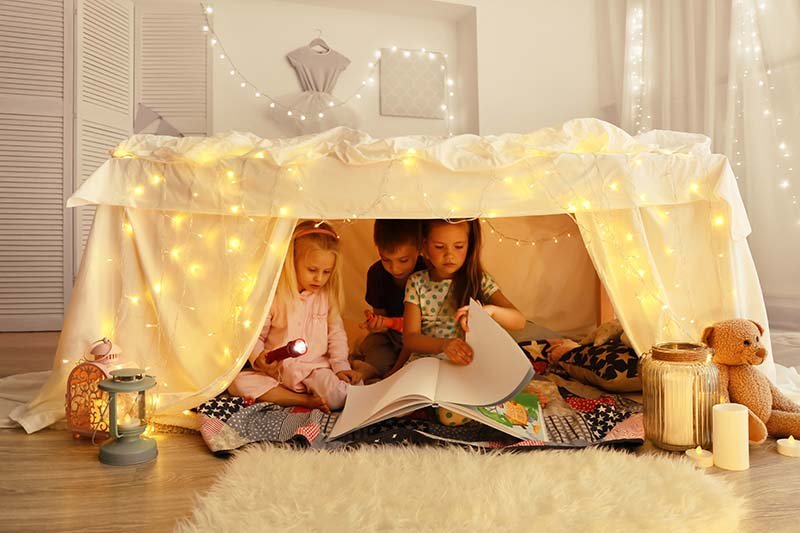
Try: building forts with blankets, arts and crafts, indoor treasure hunts, baking together, playing dress-up, building with blocks/Legos, dance parties, puppet shows, or creating obstacle courses. For development benefits, see our article on the role of playtime in development.
Create a "boredom jar" filled with activity ideas written on paper. Set up activity stations around the house. Have art supplies easily accessible. Schedule screen-free times and stick to them. Model non-screen entertainment yourself. Outdoor time is the best screen alternative. For more tips on digital wellness for children, check out our detailed guide.
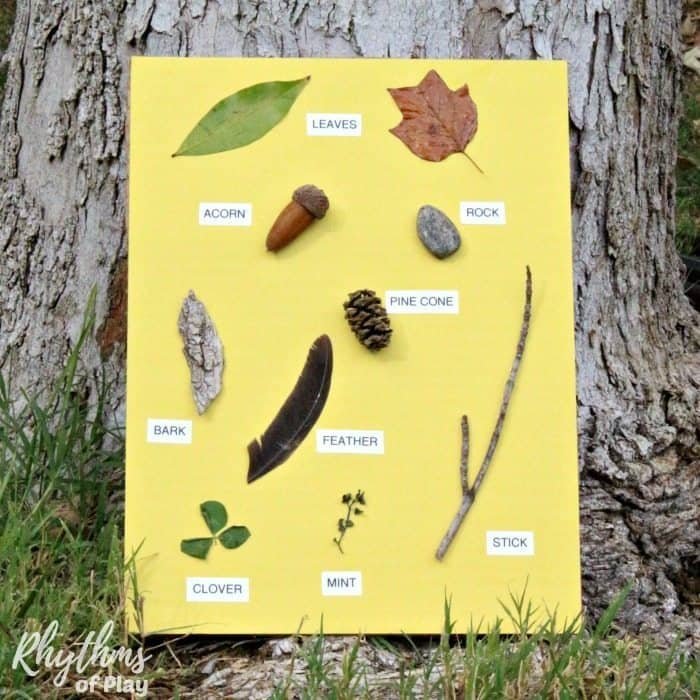
Toddlers enjoy sand/water play, bubble chasing, and simple ball games. Preschoolers love nature hunts, chalk drawing, and playground time. School-age children enjoy sports, building projects, gardening, and exploring. Read our physical development tips for more ideas.
Fill a box with: coloring supplies, play dough, building blocks, puzzles, dress-up items, craft materials, books, and simple games. Rotate items monthly to keep things fresh. Add written activity cards suggesting projects. Let children decorate and personalize their box.
Cooperative activities work best: building projects, putting on plays, creating art together, or cooking. Assign roles based on age/ability. Establish turn-taking rules. For ongoing conflict, try parallel play where they do similar activities nearby. Building confidence helps children play better together - see our confidence-building guide.