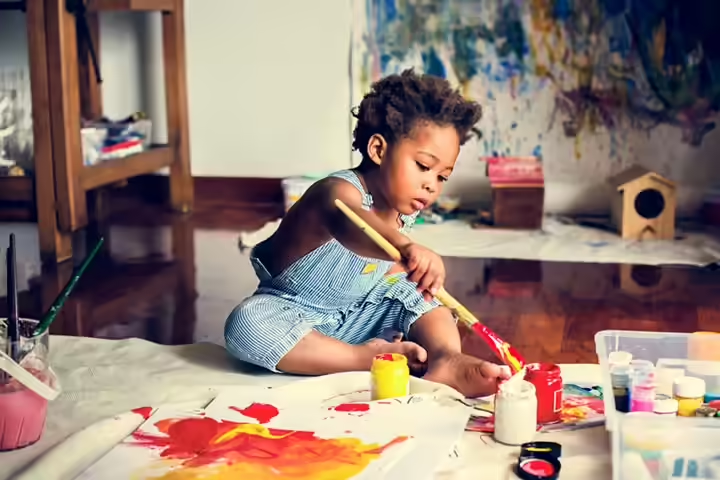

Every parent wishes to see their child grow up feeling strong, capable, and secure in who they are. A confident child walks into the world with courage, curiosity, and the belief that they can handle challenges. Confidence isn�t something a child is simply born with � it�s a skill that develops over time through love, guidance, and everyday experiences.
Many parents often wonder, �How can I help my child become more confident?� The truth is, confidence is built gradually. It grows when children feel supported, trusted, and encouraged to try � even when things don�t go perfectly.
In today�s fast-paced world, children constantly face pressure from school, peers, and social media. That�s why building a strong sense of self-belief at home is more important than ever. The good news is that parents play the biggest role in shaping a child�s confidence.
In this detailed and practical guide, you�ll discover:
- Proven ways to build your child�s confidence through everyday parenting
- Real-life examples showing how small changes can lead to big improvements in self-esteem
By the end, you�ll feel more confident as a parent � and better equipped to raise a confident, emotionally strong child.
1. Practical Ways to Increase Your Child�s Confidence
Let�s explore simple yet powerful strategies that help children believe in themselves. Confidence is developed through daily interactions, positive communication, and opportunities to grow.
1. Focus on Effort Instead of Results
Rather than praising only success, appreciate your child�s effort and dedication. When children are recognized for trying hard, they learn that progress matters more than perfection. This builds resilience and a healthy growth mindset.
2. Normalize Mistakes and Failure
Children gain confidence when they understand that mistakes are part of learning. Respond calmly and supportively when things go wrong. This teaches them that failure does not define their worth.
3. Assign Age-Appropriate Responsibilities
Giving children small responsibilities helps them feel capable and trusted. Completing tasks on their own � even imperfectly � strengthens their belief in their abilities.
4. Encourage Independent Choices
Allow your child to make simple decisions daily. Making choices builds self-trust and teaches them that their opinions matter.
5. Be a Confidence Role Model
Children learn confidence by observing adults. When you face challenges positively and talk openly about learning from mistakes, your child learns to do the same.
6. Give Meaningful and Specific Praise
Instead of general compliments, highlight specific behaviors and efforts. This helps children understand what they did well and why it matters.
7. Teach Positive Self-Talk
Help your child replace negative thoughts with encouraging words. Positive inner dialogue strengthens emotional confidence over time.
8. Introduce Challenges Step by Step
Confidence grows through manageable challenges. Support your child by breaking fears into small, achievable steps.
9. Spend Quality Time and Truly Listen
When children feel heard and valued, their self-esteem naturally increases. Even a few minutes of focused attention each day makes a big difference.
10. Support Their Interests and Passions
When children explore activities they enjoy, they gain a sense of achievement that boosts confidence in other areas of life.
2. Real-Life Examples of Building Child Confidence
Example 1: Overcoming Shyness Through Small Wins
A young girl slowly gained confidence when her parents encouraged gentle social interactions instead of forcing big steps too soon.
Example 2: Learning That Failure Is Okay
A boy who feared losing in sports learned to view mistakes as lessons, helping him enjoy the game and perform better.
Example 3: Building Confidence Through Decision-Making
A child who struggled to make choices gained independence and pride when given simple, consistent opportunities to decide.
Example 4: Reducing Academic Anxiety
By shifting focus from grades to effort, a student overcame test anxiety and developed confidence in learning.
Example 5: Confidence Through Group Support
A school initiative showed how positive reinforcement and shared experiences can dramatically improve self-esteem.
Conclusion: Helping Your Child Believe in Their Own Strength
Confidence isn�t about being perfect � it�s about believing you can grow, learn, and try again. When parents nurture confidence with patience, empathy, and encouragement, children develop the inner strength to face life bravely.
By celebrating effort, allowing mistakes, and offering unconditional support, you are not just raising a confident child � you are shaping a resilient and self-assured future adult.
Start today. Encourage courage. Celebrate progress. And remember � confidence is built one small step at a time.
Frequently Asked Questions
Confidence-building starts from infancy! Even babies develop a sense of security when their needs are met consistently. As children grow, you can introduce age-appropriate challenges and praise their efforts. The key is to start early and be consistent throughout their development.
Signs of low self-esteem include negative self-talk ("I can't do anything right"), avoiding new activities, excessive worry about failure, giving up easily, being overly sensitive to criticism, or comparing themselves negatively to others. If you notice these patterns, it's time to focus on confidence-building strategies.
Yes, but praise their effort and courage to try, not the outcome. When children learn that trying matters more than winning, they become more willing to take on challenges. Say things like "I'm proud of how hard you practiced" rather than focusing on whether they won or lost. This builds resilience and a growth mindset.
Physical activities like sports, swimming, or martial arts help children develop body awareness, achieve goals, and experience the satisfaction of improvement. Team sports also teach cooperation and social skills. Learn more in our guide on physical development in children.
Bullying can severely impact a child's confidence. Listen without judgment, validate their feelings, and work with the school to address the situation. Help your child develop coping strategies and remind them that the bully's behavior reflects on the bully, not on them. Professional support may be helpful in serious cases.
Allow age-appropriate struggles while being a safety net. Let them solve problems before jumping in to help. Start with small challenges and gradually increase difficulty. Your role is to guide, not rescue. This helps children develop problem-solving skills and the confidence that comes from overcoming obstacles.
Yes, excessive or generic praise ("You're so smart!") can backfire. Children may become dependent on external validation or fear failure. Instead, offer specific, genuine praise for effort and progress. This helps children develop internal motivation and realistic self-assessment. For more parenting strategies, see our article on rules that teach.