It�s normal for young children to feel nervous when they separate from their parents. But when these feelings become stronger, last longer, and begin to interfere with daily life�such as going to school, playing with friends, or joining activities�it may be separation anxiety. The good news is that there are many ways parents can support their child.
What does separation anxiety look like?
Children may:
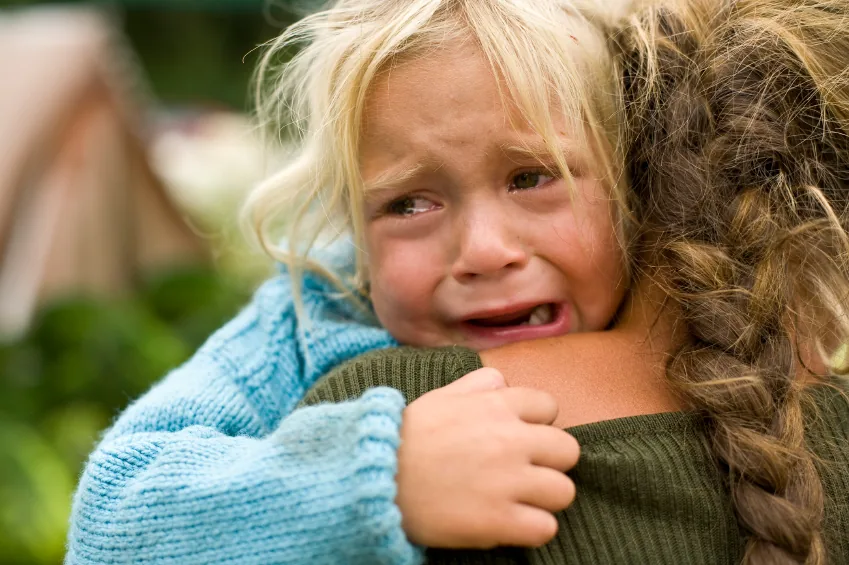
- Cry or have tantrums when a parent leaves
- Refuse to go to school or daycare
- Ask repeated �what if� questions
- Worry something bad will happen
- Complain of stomachaches or headaches
- Have nightmares about being apart
If these behaviors last more than four weeks and disrupt daily life, it may be more than a typical phase.
When should parents be concerned?
It�s common for kids under 6 to feel uneasy about being away from their parents. But if fear keeps a child from doing normal activities, parents may want to seek support.
How can parents help?
Avoiding fear makes it stronger. Instead, help your child face fears step by step:
- Praise brave behavior
- Use reward charts
- Create small steps toward a big goal (like entering school independently)
- Keep routines consistent
- Stay calm during stressful moments
- Use grounding tools (e.g., naming things they see)
- Use the �asked and answered� method for repeated questions
Helping with big changes
Before a transition�like starting school�coordinate with teachers. Visit the new place, talk about fun activities, practice coping skills, and use a �worry clock� to limit worry time.
How parents� feelings affect children
Kids notice how their parents react. If adults seem very anxious, children may feel more anxious too. Try to model calm behavior and healthy coping.
Older kids and separation anxiety
Older children may worry about accidents or not seeing their parents again. The strategies above still work�just adjust your language for their age.
When to get professional help
If anxiety lasts more than four weeks and affects daily life, talk to your child�s doctor. Counseling can help both parents and children learn effective strategies, and school counselors can support school-related anxiety.
Final thoughts
You're not alone. Many families experience separation anxiety, and with patience and support, kids can learn to feel confident and safe even when they're apart from their parents.
Frequently Asked Questions
Separation anxiety is most common between 8 months and 3 years old, with peaks around 9-18 months. It's a normal developmental milestone showing your child has formed a healthy attachment. Most children naturally outgrow it by age 3-4 as they develop object permanence and trust.
Normal separation anxiety typically fades by age 3-4. If intense symptoms persist beyond four weeks and interfere with daily activities like school or play, it may be separation anxiety disorder. In such cases, consulting a pediatrician or child psychologist is recommended.
No, sneaking away can actually increase anxiety and erode trust. Instead, develop a quick, consistent goodbye ritual - a special hug, wave, or phrase. Keep departures brief and confident. Your calm demeanor reassures your child that separation is safe and temporary.
Start by visiting the daycare together before the first day. Read books about daycare, role-play drop-offs at home, and establish a comforting goodbye routine. Begin with shorter days if possible. For more tips, see our guide on keeping your child healthy at daycare.
Yes, children with separation anxiety often struggle with bedtime and may have nightmares or wake frequently seeking parents. Create a calming bedtime routine, use a night light, and offer a comfort object. Gradual independence at bedtime can help build confidence.
Avoid dismissing feelings ("Don't be silly"), prolonging goodbyes, returning after leaving, showing your own anxiety, or giving excessive reassurance. Instead, validate emotions briefly, stay calm and confident, and trust that your child will adjust. For building resilience, read about building confidence in your child.
Seek help if separation anxiety lasts more than 4 weeks, causes significant distress, prevents normal activities like school attendance, includes physical symptoms (stomachaches, headaches), or if your child becomes withdrawn or depressed. Early intervention leads to better outcomes.