
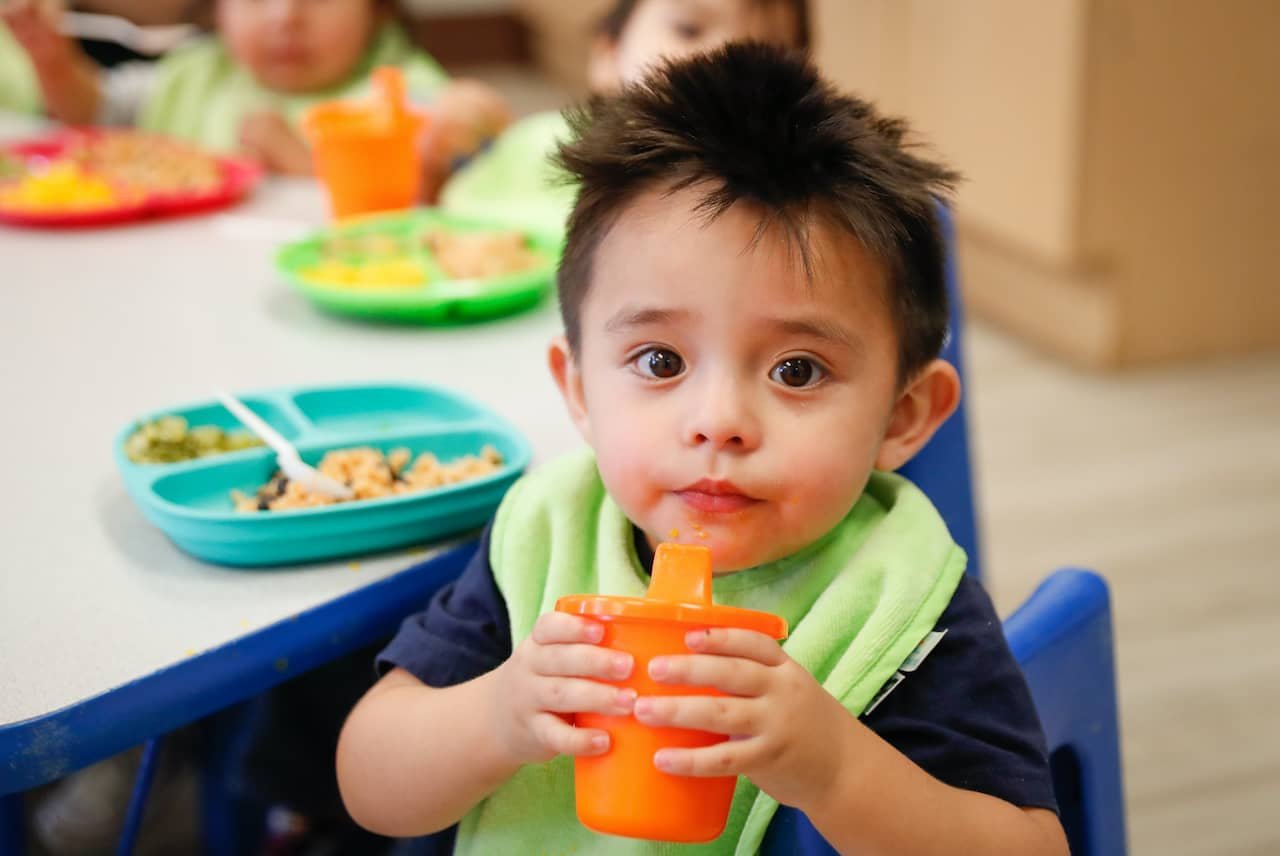
Daycare is an amazing opportunity for your child to learn, explore, and develop social skills. But it also means your little one will be around lots of other children � and lots of germs too! This often leads to frequent colds, coughs, and other illnesses, which can also mean missed workdays and doctor visits for you.
Although it may seem impossible to keep your child healthy at daycare, there are practical steps you can take to reduce the number of sick days.
Here are 5 simple tips to help your child (and you!) stay healthier and happier.
1. Focus on Nutrition
One of the best ways to build your child�s immunity is by providing a balanced and nutritious diet. Include plenty of:
-
Fresh fruits
-
Vegetables
-
Whole grains
-
Lean proteins
These foods are rich in essential vitamins and minerals that help strengthen the immune system.
Avoid too many sugary snacks or drinks, as excess sugar can weaken immunity and make your child more vulnerable to infections.
2. Add Vitamin D and Multivitamins
Adding Vitamin D and a good-quality multivitamin to your child�s daily routine can make a big difference.
-
Vitamin D supports bone health and immune function
-
Multivitamins fill in nutritional gaps from daily meals
By including these supplements, you�re giving your child an extra layer of protection against daycare germs.
3. Make Handwashing a Habit
Teach your child that clean hands are healthy hands. Encourage them to wash their hands:
-
Before meals
-
After using the restroom
-
After playing with shared toys
When you pick them up from daycare, make sure they wash their hands as soon as they get home. Turn it into a fun activity � sing a song or use colorful soap to make handwashing enjoyable.
This simple habit can greatly reduce the spread of germs both at daycare and at home.
4. Prioritize Quality Sleep
A well-rested child is better equipped to fight off germs and stay healthy. Sleep allows the body to recharge, repair, and strengthen the immune system.
Make sure your child is getting the right amount of sleep for their age:
-
Toddlers (1�2 years): 11�14 hours in 24 hours
-
Preschoolers (3�5 years): 10�13 hours, including naps
To help them sleep better:
-
Establish a consistent bedtime routine
-
Create a calm and cozy sleep environment
-
Avoid screens and sugary snacks before bedtime
-
Read a story or offer gentle cuddles to help them wind down
5. Encourage Daily Physical Activity
Children are naturally active, so encourage movement and play every day! Exercise improves blood circulation and immune function, helping your child stay strong and energetic.
Outdoor play is ideal, but if it�s too hot or cold, you can:
-
Have a dance party indoors
-
Create a fun obstacle course to keep them moving
Bonus Tip: Support with Natural Herbal Supplements
Natural herbal supplements can offer gentle, plant-based support for your child�s immune system. Herbs like echinacea, elderberry, and chamomile are known to help the body�s natural defenses.
For everyday prevention, consider a daily immune-boosting tonic designed for children and families � supporting overall wellness and reducing common colds.
If your child does become sick, look for herbal formulas that can:
-
Support the immune system during colds, flu, or seasonal changes
-
Soothe the respiratory system to ease coughing and congestion
-
Relieve fever and body discomfort naturally and gently
Always consult your pediatrician before starting any new supplements or remedies to ensure they�re safe for your child.
Final Thoughts
By combining good nutrition, enough sleep, regular handwashing, daily activity, and natural immune support, you can help your child thrive at daycare � and keep your household healthy too.
Remember: Every child is different, so it�s important to find the right combination of habits and supplements that works for your family. A healthy routine, plenty of play, and consistent care can go a long way in building a strong immune system and keeping daycare illnesses at bay.
Start small, stay consistent, and celebrate the little wins � a healthier, happier child makes daycare a fun and enriching experience for everyone!
Frequently Asked Questions
Children in daycare typically get 8-12 colds per year, compared to 6-8 for children at home. This is normal and actually helps build their immune system. Most children experience fewer illnesses by age 3-4 as their immunity strengthens from early exposure.
Keep your child home if they have: fever over 100.4�F (38�C), vomiting or diarrhea in the past 24 hours, contagious conditions (pink eye, lice, strep), excessive coughing or runny nose with colored discharge, or if they're too tired to participate. Most daycares require 24 hours fever-free before returning.
Pack extra clothes, diapers/pull-ups if needed, healthy snacks, a water bottle, comfort items (small blanket or stuffed animal), and any required medications with instructions. For snack ideas, check out our healthy snacks for toddlers.
Focus on a balanced diet rich in fruits, vegetables, and protein. Ensure adequate sleep (11-14 hours for toddlers). Encourage regular physical activity and handwashing. Consider vitamin D supplements if recommended by your pediatrician. Read our nutrition tips for more guidance.
Create a consistent, brief goodbye routine. Stay calm and positive - children pick up on parental anxiety. Don't sneak away; instead, say goodbye confidently and leave promptly. Most children calm down within minutes. For detailed strategies, see our guide on supporting separation anxiety.
Ask about: staff-to-child ratios, illness policies, handwashing routines, meal/snack practices, how they handle behavioral issues, their approach to screen time, outdoor play frequency, and staff training/turnover. Visit unannounced if possible to see typical daily operations.
Some studies suggest probiotics may help reduce respiratory and gastrointestinal infections in children. However, results vary by strain and individual child. Consult your pediatrician before starting any supplements. Natural probiotic sources include yogurt, kefir, and fermented foods.