As a parent, few things are more stressful than watching your baby struggle to breathe. Whether it is a wheezy chest, a stubborn cold, or a diagnosed respiratory condition, you want answers fast. A nebulizer can be a powerful tool, but only when used correctly and under medical guidance.
This is our complete guide to nebulizer use for infants and newborns. We cover safety, age guidelines, medicines, side effects, and how a nebulizer compares to a humidifier. Use the links below to jump to each section or read the full guide.
What Is a Nebulizer and How Does It Work?
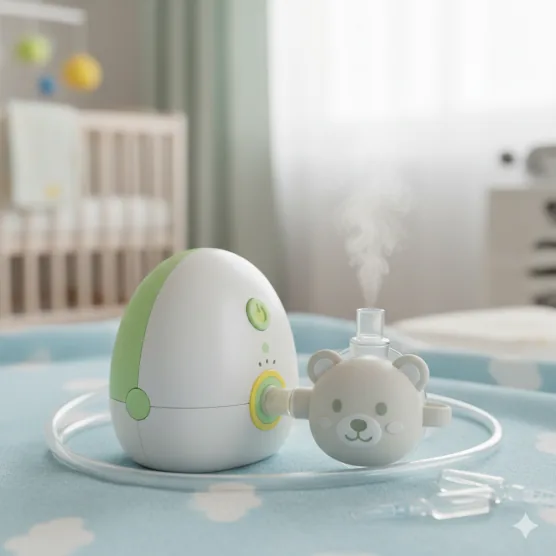
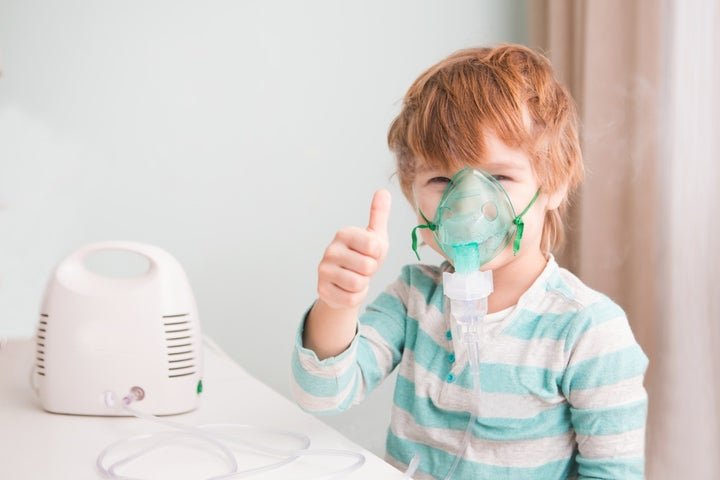
A nebulizer is a medical device that converts liquid medication into a fine mist (aerosol). As described by the American Academy of Pediatrics, your baby breathes in this mist through a small face mask, and the medication travels directly into their lungs. This makes it one of the most effective ways to deliver respiratory medicine to infants who cannot use inhalers or coordinate deep breaths.
There are three main types of nebulizers used for babies:
- Compressor (jet) nebulizers – the most common type. Reliable and affordable, but slightly noisy.
- Mesh nebulizers – quieter and more portable. Ideal for babies who are easily startled by noise.
- Ultrasonic nebulizers – very quiet, but not suitable for all medications.
For a detailed comparison of features, noise levels, and what to look for when buying, read our guide on the best nebulizer for infants.
Is Nebulizer Safe for Newborn Babies?
Yes. Nebulizers can be safely used on newborns, including babies as young as 20 days old. According to HealthyChildren.org, pediatricians regularly prescribe nebulizer treatments for newborns with respiratory distress, bronchiolitis, or severe nasal congestion.
However, there is one critical rule: never use a nebulizer on your baby without a doctor’s prescription and guidance. The medication type, dosage, and treatment duration must be determined by a pediatrician based on your baby’s age, weight, and condition.
For a deeper look at safety considerations, warning signs, and when to seek urgent care, read our detailed post: Is nebulizer safe for newborn babies?
Nebulizer Use by Baby’s Age
A baby’s respiratory system changes rapidly in the first year. What is appropriate for a 6-month-old is not the same as for a 1-month-old. Here is a quick overview:
- 0–1 month: Only under strict pediatric supervision. Saline nebulization is most common. Hospital-grade equipment may be required.
- 2–3 months: Nebulizers can be used at home if prescribed. A snug-fitting infant mask is essential.
- 4–6 months: Broader range of medications may be prescribed. Babies are more alert and may resist the mask.
- 7–12 months: Treatments become easier as babies grow. Distraction techniques work well at this age.
For the full age-by-age breakdown with safety checklists for each stage, read our nebulizer for babies by age guide.
Nebulizer vs Humidifier for Baby Congestion
This is one of the most common questions parents ask. Both devices produce mist, but they serve very different purposes:
- Nebulizer: A medical device that delivers prescribed medication directly to the lungs. Used to treat diagnosed conditions like asthma, bronchiolitis, or severe chest congestion.
- Humidifier: A household device that adds moisture to room air. Helps with mild nasal congestion, dry air irritation, and general comfort. No medication is involved.
When to use which: If your baby has a mild stuffy nose, a cool-mist humidifier in their room may be enough. If your baby is wheezing, has chest congestion, or is diagnosed with a respiratory condition, a nebulizer with prescribed medicine is needed. If you want a clearer nebulizer vs humidifier comparison, we break down exactly which one is better for baby congestion and when.
For a full side-by-side comparison with a decision checklist, read nebulizer vs humidifier for baby congestion.
Common Nebulizer Medicines for Infants
Doctors may prescribe different medications depending on your baby’s condition:
- Normal saline (0.9%): The most commonly prescribed for infants. Loosens mucus and moisturizes airways. Safe for newborns.
- Bronchodilators (albuterol/salbutamol): Opens up narrowed airways. Used for wheezing and asthma-related symptoms.
- Corticosteroids (budesonide): Reduces airway inflammation. Usually prescribed for ongoing respiratory conditions.
Important: Never put any medicine in the nebulizer without a doctor’s prescription. Even saline should ideally be medical-grade, not homemade.
For detailed information on each medication type, dosing considerations, and questions to ask your pediatrician, read nebulizer medicine for infants.
Side Effects of Nebulization in Babies
Most nebulizer treatments are well-tolerated by babies, but some side effects can occur depending on the medication:
- Common (mild): Slight shakiness or trembling, mild fussiness, increased heart rate, temporary restlessness. These usually pass within 15–30 minutes.
- Less common: Throat irritation, mild cough after treatment, dry mouth.
- Rare (seek immediate help): Difficulty breathing after treatment, rash or swelling, persistent vomiting, unusual drowsiness.
For a complete breakdown of common vs rare side effects, when to stop treatment, and how to reduce reactions, read side effects of nebulization in babies.
When Do Doctors Recommend Nebulization?
Pediatricians typically recommend nebulizer treatment when a baby shows:
- Wheezing or whistling sounds while breathing
- Visible chest retractions (skin pulling in between ribs)
- Persistent cough with chest congestion
- Diagnosed conditions like bronchiolitis, RSV, or infant asthma
- Breathing faster than normal for their age
If your baby has mild nasal congestion without these symptoms, your doctor may suggest simpler remedies first, like clearing chest congestion naturally or adjusting their sleeping position.
Read more: When do doctors recommend nebulization for babies?
Nebulizer for Newborn vs Older Infants
There are important differences in how nebulizers are used for newborns compared to older babies:
- Mask size: Newborns need a smaller, specially designed mask. An ill-fitting mask wastes medication and reduces effectiveness.
- Medication dosage: Newborn doses are significantly lower. A dose safe for a 6-month-old can be too strong for a newborn.
- Supervision level: Newborns require constant monitoring during treatment. Older infants (6+ months) can be held more casually.
- Treatment tolerance: Newborns are usually calmer during treatment. Older babies (4–8 months) may fight the mask more actively.
For more on these differences, read nebulizer for newborn vs infant.
Tips for Calm Nebulizer Treatments
A noisy machine with a face mask can be intimidating for a baby. Here are tips to make treatments go smoothly:
- Create a soothing atmosphere: Find a quiet, comfortable space. Hold your baby in your lap and sing or talk softly.
- Time it right: Do the treatment when your baby is calm, not hungry or overtired. Some parents find success during or right after feeding.
- Use distraction: For older babies, a favorite toy or show can help. For newborns, skin-to-skin contact and gentle rocking work well.
- Ensure proper mask fit: The mask should sit snugly over nose and mouth without gaps. A poor seal means wasted medication.
- Stay calm yourself: Babies pick up on parental anxiety. If you are relaxed, your baby is more likely to be too.
Cleaning and Maintaining Your Baby’s Nebulizer
A dirty nebulizer can cause infections instead of treating them. Proper hygiene is essential:
- After every use: Rinse mask and medicine cup with warm water. Air dry on a clean towel.
- Every 2–3 days: Deep clean all parts with a vinegar-water solution (1 part vinegar to 3 parts water). Soak for 20 minutes, rinse, and air dry.
- Never wash the tubing – moisture inside tubing promotes mold growth. Replace it regularly instead.
For a full step-by-step cleaning guide with replacement schedules, read how to clean your baby’s nebulizer.
Tracking your baby’s overall health is also important during respiratory illness. Use our baby growth percentile calculator to see how your baby’s weight and length compare to WHO standards.
Complete Nebulizer Guide for Parents
This is our pillar guide. Explore each topic in detail using the links below:
- Safety: Is nebulizer safe for newborn babies?
- By Age: Nebulizer for babies by age (1–12 months)
- Best Products: Best nebulizer for infants 2026
- Medicines: Nebulizer medicine for infants: types & dosage
- Side Effects: Side effects of nebulization in babies
- vs Humidifier: Nebulizer vs humidifier for baby congestion
- vs Inhaler: Nebulizer vs inhaler for baby congestion
- Newborn vs Infant: Nebulizer for newborn vs infant
- When Prescribed: When do doctors recommend nebulization?
- Cleaning: How to clean your baby’s nebulizer
- Asthma: Nebulizer for asthma
- Congestion Relief: How to clear baby chest congestion naturally
More Congestion & Medication Guides
For adult/general medication education, read mucinex for chest congestion, decongestant for stuffy nose, and flonase for congestion. For mixed symptom support, see stuffy nose and cough home care, flu congestion relief, and steam inhalation vs nebulizer.
Disclaimer: This article is for informational purposes only and does not constitute medical advice. Always consult with a qualified healthcare professional regarding any medical concerns or before making any decisions related to your health or the health of your child.
Frequently Asked Questions
Yes, nebulizers can be safely used on newborns, including babies as young as 20 days old. However, you must always consult with your pediatrician first. They will prescribe the correct medication and dosage appropriate for your baby’s age and condition. Never use a nebulizer without medical guidance.
Nebulizers are commonly used to treat respiratory conditions in babies including bronchiolitis, asthma, severe colds causing breathing difficulties, and other respiratory infections. The nebulizer delivers medication directly to the lungs as a fine mist, making it easier for babies to receive treatment.
They serve different purposes. A nebulizer delivers prescribed medication to the lungs and is used for diagnosed conditions like asthma or bronchiolitis. A humidifier adds moisture to room air and helps with mild nasal congestion. For severe chest congestion, you need a nebulizer. For a mild stuffy nose, a humidifier may be enough. Read our full nebulizer vs humidifier comparison.
Create a calming environment by holding your baby in your lap, singing lullabies, or playing gentle music. Time treatments when your baby is calm and not hungry or tired. Use distraction techniques like favorite toys or soft talking. Ensure the mask fits snugly but comfortably. With patience, most babies adapt well to nebulizer treatments.
Side effects depend on the medication used. Common mild ones include slight shakiness, increased heart rate, or temporary restlessness. These usually subside within 15–30 minutes. Rare serious reactions include difficulty breathing after treatment, rash, or swelling – seek immediate medical attention if these occur. Read more about nebulizer side effects in babies.
A nebulizer converts liquid medication into a fine mist that’s breathed in over several minutes, making it ideal for babies and young children. An inhaler delivers medication in a quick puff and requires a spacer with a mask for infants. For babies under 2, nebulizers are generally preferred. See our detailed guide on nebulizer vs inhaler for babies.
After each use, rinse the mask and medicine cup with warm water and let them air dry. Every 2–3 days, deep clean with a vinegar-water solution. Never wash the tubing – replace it regularly instead. A clean nebulizer prevents infections and ensures effective treatment. See our full nebulizer cleaning guide.