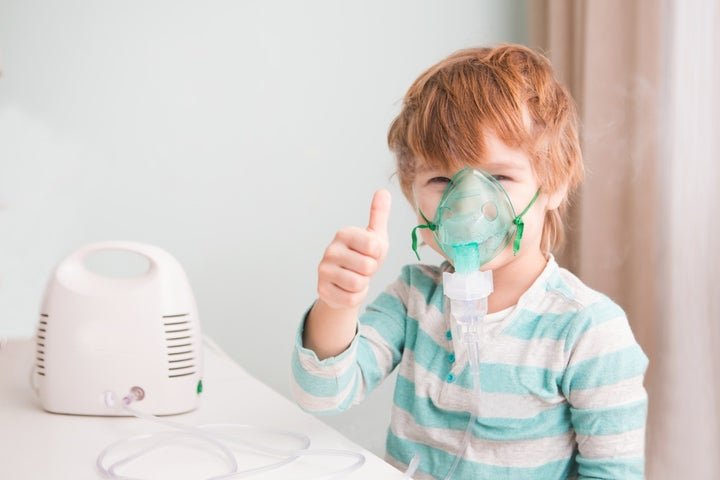
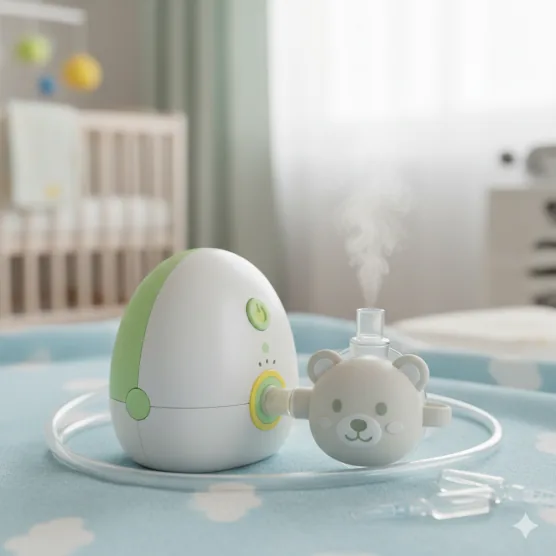
When your pediatrician prescribes nebulizer treatment for your baby, the next question is: which nebulizer should I buy? With dozens of options on the market, choosing the right nebulizer for infants can feel overwhelming.
This guide helps you understand what to look for in a baby nebulizer and reviews the top options for 2026, so you can make an informed decision for your little one's respiratory care.
Note: This is an informational guide, not a medical endorsement. The best nebulizer for your baby depends on your doctor's recommendations and your specific needs. Always consult your pediatrician before purchasing.
What to Look for in an Infant Nebulizer
Not all nebulizers are suitable for infants. The American Academy of Pediatrics (AAP) emphasizes that nebulizer selection should be based on your baby's age and medical condition. Here are the key features to consider:
1. Noise Level
This is crucial for babies. Loud nebulizers can startle and frighten infants, making treatments stressful for everyone.
- Ideal: Under 50 decibels (comparable to a quiet conversation)
- Good: 50-55 decibels
- Avoid: Over 60 decibels for infant use
2. Mask Size
Infant masks are specifically designed for tiny faces. A proper fit ensures medication reaches the lungs instead of escaping around the edges.
- Look for nebulizers that include infant masks
- Check if replacement infant masks are readily available
- Soft, flexible silicone masks are gentler on baby's skin
3. Nebulizer Type
There are three main types of nebulizers:
| Type | Pros | Cons |
|---|---|---|
| Compressor (Jet) | Reliable, works with all medications, affordable | Louder, larger, requires power outlet |
| Mesh (Vibrating) | Very quiet, portable, fast treatment | More expensive, may not work with all medications |
| Ultrasonic | Quiet, fast | Not suitable for all medications, can heat medication |
Pediatrician recommendation: Most doctors recommend compressor nebulizers for home use due to their reliability and compatibility with all medications. The CDC also advises proper cleaning and maintenance of all respiratory equipment used for infants.
4. Ease of Cleaning
You'll be cleaning the nebulizer after every use. Simpler designs with fewer parts make this easier and help ensure proper hygiene.
5. Portability
Consider whether you need to:
- Travel with the nebulizer
- Use it at daycare or grandparents' house
- Give treatments in different rooms
6. Treatment Time
Faster treatments are easier with fussy babies. Look for nebulizers that complete treatments in 8-12 minutes rather than 15-20 minutes.
Top 5 Nebulizers for Infants in 2026
1. Compressor Nebulizer with Pediatric Kit
Best for: Reliable home use
Standard compressor nebulizers from reputable medical brands remain the gold standard for infant respiratory treatment. They're what most hospitals and clinics use.
Key features to look for:
- Includes infant mask
- Noise level under 55 dB
- 5-year warranty or more
- Compatible with all prescribed medications
Ideal for: Primary home nebulizer, families needing reliable daily treatments
2. Quiet Compressor Nebulizer
Best for: Noise-sensitive babies
Some compressor models are specifically designed for quieter operation, making them ideal for babies who startle easily or need treatments during sleep.
Key features to look for:
- Noise level under 50 dB
- Sound-dampening housing
- Pediatric accessories included
Ideal for: Light sleepers, babies who are easily frightened by noise
3. Portable Mesh Nebulizer
Best for: Travel and on-the-go treatments
Mesh nebulizers are handheld, battery-operated devices that are nearly silent. They're excellent as a secondary nebulizer for travel.
Key features to look for:
- Battery operated (rechargeable preferred)
- Under 30 dB noise level
- Infant mask available separately if not included
- Fast treatment time (5-8 minutes)
Ideal for: Travel, daycare, backup nebulizer
Note: Check with your pharmacist that your prescribed medication is compatible with mesh technology.
4. Child-Friendly Themed Nebulizer
Best for: Making treatments less scary
Some nebulizers come in fun shapes like animals, trains, or cartoon characters. While primarily marketed for toddlers, they can help make the nebulizer less intimidating as your baby grows.
Key features to look for:
- Same reliability as standard compressor models
- Includes infant-sized accessories
- Non-toxic, child-safe materials
Ideal for: Families planning long-term nebulizer use, older infants approaching toddlerhood
5. Hospital-Grade Home Nebulizer
Best for: Frequent treatments or chronic conditions
For babies requiring multiple daily treatments or those with chronic respiratory conditions, a more robust hospital-grade nebulizer may be worth the investment.
Key features to look for:
- Heavy-duty compressor
- Extended warranty
- Faster nebulization rate
- Professional-grade durability
Ideal for: Chronic conditions, multiple daily treatments, families wanting maximum durability
What Doctors Usually Recommend
When you ask your pediatrician about nebulizers, here's what they typically suggest:
- For most families: A standard compressor nebulizer with pediatric accessories
- Primary concern is reliability over fancy features
- Brand matters less than getting proper accessories and maintaining the device
- Buy from reputable sources (pharmacies, medical supply stores) rather than unknown sellers
Many pediatric offices can recommend specific brands available in your area or even help you obtain one through your insurance.
What NOT to Buy
Protect your baby by avoiding:
Red Flags When Shopping for Nebulizers
- Extremely cheap models from unknown brands (quality and safety concerns)
- Used nebulizers (hygiene and reliability issues)
- Nebulizers without infant masks available
- Models with no warranty or customer support
- Ultrasonic nebulizers unless specifically recommended by your doctor (not suitable for all medications)
- Steam inhalers marketed as nebulizers (they're different devices)
Essential Accessories for Infant Nebulizer Use
Beyond the nebulizer itself, make sure you have:
- Extra infant masks: For backup and regular replacement
- Replacement tubing: Should be changed every 6 months
- Extra nebulizer cups: Replace every 3-6 months
- Replacement filters: Check your model's requirements
- Carrying case: If you travel with the nebulizer
Proper Care and Maintenance
To keep your nebulizer working safely and effectively:
After Every Use
- Disassemble the mask, cup, and tubing
- Wash mask and cup with warm, soapy water
- Rinse thoroughly and shake off excess water
- Air dry on a clean towel
Weekly
- Disinfect parts according to manufacturer instructions
- Check for any cracks, discoloration, or damage
- Wipe down the compressor unit with a damp cloth
Replacement Schedule
- Mask and cup: Every 3-6 months
- Tubing: Every 6 months
- Filters: As recommended by manufacturer (usually 1-3 months)
Insurance and Cost Considerations
Nebulizers are often covered by health insurance with a doctor's prescription. To maximize coverage:
- Get a prescription from your pediatrician
- Check if your insurance requires specific suppliers
- Ask about coverage for supplies (masks, tubing, etc.)
- Keep all receipts for potential reimbursement
If paying out of pocket, a quality compressor nebulizer with pediatric accessories typically costs between $40-$100. Mesh nebulizers are usually $80-$200.
Disclaimer
This article provides general information about selecting nebulizers for infants. It is not a medical recommendation or endorsement of specific products. Always consult your pediatrician before purchasing a nebulizer and follow their specific guidance for your baby's care. Product availability and specifications may vary by region.
Frequently Asked Questions
The best nebulizer for infants depends on your specific needs, but key features to look for include: low noise level (under 50 decibels), infant-sized masks included, easy cleaning, reliability, and portability if needed. Compressor nebulizers are most commonly recommended by pediatricians for home use.
For home use, tabletop compressor nebulizers are typically more reliable and effective. However, if you travel frequently or need to give treatments at daycare, a portable mesh nebulizer can be a good secondary option. Many parents find having both types useful.
For infants, look for nebulizers rated under 50 decibels, which is about the level of a quiet conversation. Quieter models help prevent startling the baby and make treatments less stressful. Some ultra-quiet mesh nebulizers operate at around 25-30 decibels.
Yes, infants need specially sized masks that fit snugly over their small nose and mouth. Adult or even child-sized masks allow medication to escape and reduce treatment effectiveness. Always ensure your nebulizer comes with or is compatible with infant-sized masks.
Replace the nebulizer cup and mask every 3-6 months with regular use, or sooner if they become discolored, cracked, or damaged. Tubing should be replaced every 6 months. Filters should be changed according to manufacturer instructions, typically every 1-3 months.
Most standard compressor nebulizers work with commonly prescribed medications. However, some medications require specific nebulizer types for optimal delivery. Always check with your pediatrician or pharmacist if your prescribed medication has specific nebulizer requirements.