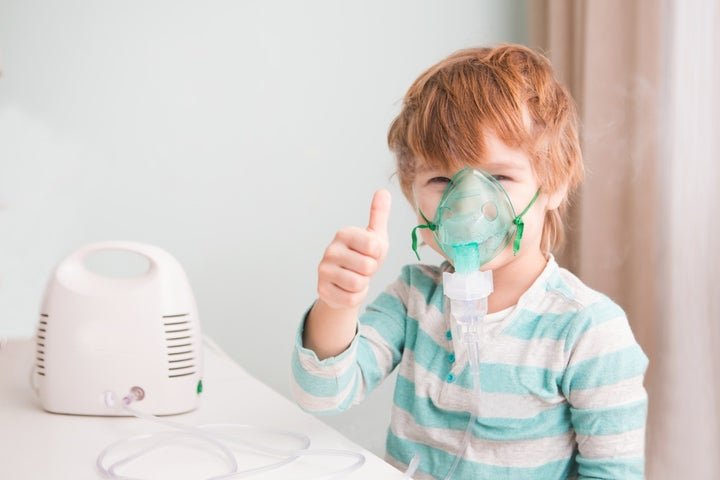
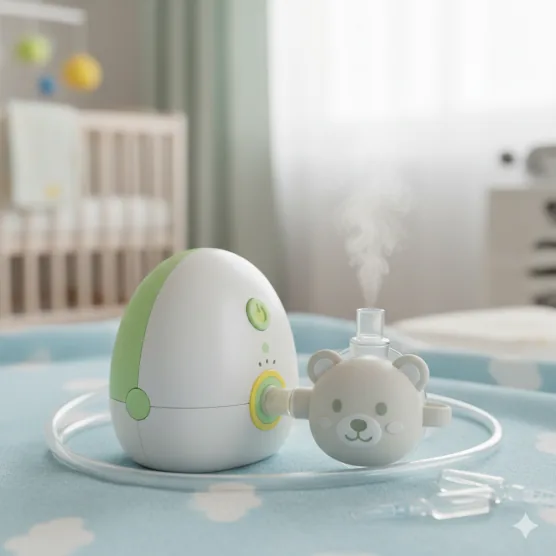
When your pediatrician prescribes nebulizer treatment for your baby, you likely have many questions. What does a nebulizer do for babies? What medicine will they use? Is it safe? Understanding how nebulizer medications work can help you feel more confident in your baby's treatment.
This guide explains the types of infant nebulizer medicine, how they work, and why doctor supervision is absolutely essential for your little one's safety.
Important Notice: This article is for educational purposes only. It does NOT provide dosage recommendations. All nebulizer medications for infants must be prescribed by a qualified pediatrician. The CDC emphasizes that you should never use any medication on your baby without medical guidance.
What Does a Nebulizer Do for Babies?
A nebulizer is a medical device that transforms liquid medication into a fine mist. According to the American Academy of Pediatrics, this mist is inhaled through a mask that fits over your baby's nose and mouth, allowing the medication to travel directly into the lungs and airways.
Why Nebulizers Work Well for Infants
Unlike inhalers, which require the user to coordinate breathing and pressing a button, nebulizers work with your baby's natural breathing. This makes them ideal for infants who:
- Cannot follow instructions or coordinate actions
- Need medication delivered directly to the lungs
- Have conditions requiring longer, steady medication delivery
- Cannot swallow oral medications effectively
How Nebulized Medication Helps
Depending on the medication prescribed, nebulizer treatment can:
- Open airways: Help baby breathe more easily
- Reduce inflammation: Calm swollen airways
- Loosen mucus: Make it easier to clear congestion
- Deliver medication quickly: Faster relief than oral medications
Common Types of Nebulizer Medicines for Babies
While your pediatrician will determine the right medication for your baby's specific condition, here's an educational overview of commonly prescribed nebulizer medicines:
1. Saline Solution (Normal Saline)
What it does: Saline (salt water) helps moisten airways and loosen thick mucus, making it easier for babies to clear congestion through coughing or natural drainage.
Commonly used for:
- Chest congestion
- Colds with thick mucus
- Dry airways
Good to know: While saline is generally considered mild, even this requires doctor guidance for proper use in infants.
2. Bronchodilators
What they do: These medications relax the muscles around the airways, causing them to open wider. This makes breathing easier when airways are constricted.
Common examples: Albuterol (salbutamol), levalbuterol
Commonly used for:
- Wheezing
- Bronchiolitis
- Reactive airway disease
- Breathing difficulties from respiratory infections
Potential effects: May cause temporary shakiness, increased heart rate, or restlessness. Learn more about nebulizer side effects in babies.
3. Corticosteroids (Inhaled Steroids)
What they do: These anti-inflammatory medications reduce swelling in the airways. They work more slowly than bronchodilators but help control underlying inflammation.
Common examples: Budesonide
Commonly used for:
- Croup
- Severe bronchiolitis
- Recurring wheezing episodes
- Asthma management in older infants
Important: Inhaled steroids are different from oral steroids and have fewer systemic effects, but still require careful medical supervision.
4. Combination Medications
Sometimes doctors prescribe combinations of medications to address multiple aspects of a respiratory condition. These are always carefully chosen based on your baby's specific needs.
Why Dosage Must Be Doctor-Prescribed
This cannot be emphasized enough: nebulizer medication dosage for infants must always be determined by a pediatrician. Here's why:
Infant Bodies Are Different
- Tiny airways: Baby airways are much smaller and more sensitive than adult airways
- Developing organs: Kidneys and liver process medications differently
- Weight matters: Dosages are often calculated based on body weight
- Age-specific needs: A 1 month old needs different treatment than a 6 month old
What Doctors Consider When Prescribing
Your pediatrician evaluates multiple factors:
- Baby's exact age and weight
- Specific respiratory condition
- Severity of symptoms
- Other medications baby is taking
- Any allergies or sensitivities
- Baby's overall health status
- Previous response to treatments
Why Self-Medication Is Dangerous
We understand the urge to help your baby feel better as quickly as possible. However, self-medicating with nebulizer treatments can be dangerous:
Risks of Self-Medication
- Wrong diagnosis: What looks like one condition may be something else entirely
- Incorrect medication: The wrong medicine can worsen symptoms
- Wrong dosage: Too much can cause serious side effects; too little won't help
- Delayed proper treatment: Using ineffective treatment delays getting the right help
- Masking serious conditions: Some treatments can hide symptoms of serious illness
- Drug interactions: Medications may interact with other treatments
Common Dangerous Mistakes Parents Make
- Using medication prescribed for an older sibling
- Using leftover medication from a previous illness
- Adjusting dosages based on internet advice
- Using adult medications in smaller amounts
- Mixing medications without medical guidance
Questions to Ask Your Pediatrician
When your doctor prescribes nebulizer treatment, don't hesitate to ask questions. Here are important ones to consider:
About the Medication
- What is this medication and what does it do?
- Why is this the best choice for my baby's condition?
- What side effects should I watch for?
- How will I know if the medication is working?
About the Treatment
- How often should I give the treatment?
- How long should each session last?
- How many days should we continue treatment?
- Should I give treatment before or after feeding?
About Concerns
- When should I call you if I'm concerned?
- What symptoms would mean we need emergency care?
- Should I continue treatment if baby seems better?
- What if baby refuses the mask?
About Equipment
- What type of nebulizer do you recommend?
- Where can I get the proper infant mask?
- How should I clean and maintain the equipment?
For equipment recommendations, see our guide to the best nebulizers for infants.
Proper Medication Storage
Once prescribed, handle medications properly:
- Store at the temperature specified on the packaging
- Keep away from direct sunlight
- Check expiration dates regularly
- Keep all medications out of reach of children
- Don't use cloudy or discolored solutions
- Dispose of expired medications safely
Remember
Your pediatrician is your partner in your baby's health. They want to help and are happy to answer questions. Never feel embarrassed about asking for clarification or expressing concerns about your baby's treatment.
Medical Disclaimer
This article provides general educational information about nebulizer medications for infants. It does NOT provide dosage recommendations or medical advice. All medications for infants must be prescribed by a qualified healthcare provider. Never start, change, or stop any medication without consulting your pediatrician.
Frequently Asked Questions
A nebulizer converts liquid medication into a fine mist that babies can breathe directly into their lungs. This allows the medication to reach the airways quickly and effectively, helping to open up breathing passages, reduce inflammation, or thin mucus - depending on the medication used.
Common nebulizer medicines for infants include saline solution (for loosening mucus), bronchodilators like albuterol/salbutamol (for opening airways), and corticosteroids like budesonide (for reducing inflammation). The specific medication depends on your baby's condition and must be prescribed by a pediatrician.
While saline is generally considered safe, you should still consult your pediatrician before using any nebulizer treatment on an infant. A doctor can confirm whether nebulization is appropriate for your baby's condition, recommend the right concentration of saline, and ensure there are no contraindications.
Nebulizer dosage for babies is determined by the pediatrician based on the baby's age, weight, specific medical condition, severity of symptoms, and the type of medication. This is why self-medicating is dangerous - dosages that are safe for adults or older children can be harmful to infants.
Self-medication is dangerous because infant airways are tiny and sensitive, their organs are still developing, incorrect dosages can cause serious side effects, the wrong medication can worsen conditions, and underlying conditions may be misdiagnosed. Only a doctor can properly evaluate and prescribe treatment.
The frequency of nebulizer treatments depends entirely on your doctor's prescription, which is based on your baby's specific condition. Some babies may need treatments every 4-6 hours during acute illness, while others may only need them once or twice daily. Never increase frequency without medical guidance.