Few things are more frightening for new parents than watching their baby struggle to breathe. Whether it's a rattling cough, wheezing, or visible chest congestion, the instinct to help is overwhelming. If your pediatrician has recommended a nebulizer, you're probably wondering: Can my baby safely use one at their age?
The answer depends on several factors, including your baby's age, medical condition, and the specific treatment prescribed. This comprehensive guide breaks down nebulizer use by age group, helping you understand what to expect and how to keep your little one safe.
Important: This guide is for educational purposes only. Always follow your pediatrician's specific instructions, as every baby's situation is unique. Never use a nebulizer without a doctor's prescription.
Understanding Nebulizers for Infants
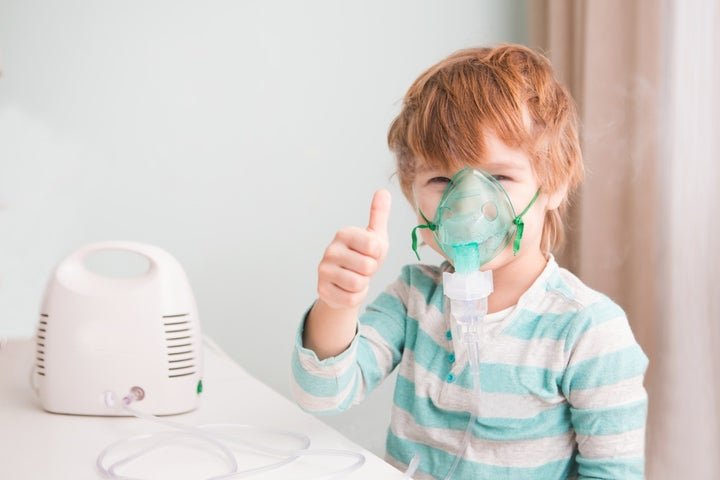
A nebulizer is a medical device that converts liquid medication into a fine mist that babies can inhale directly into their lungs. The American Academy of Pediatrics notes that unlike inhalers, which require coordination, nebulizers work with your baby's natural breathing pattern, making them ideal for infants who cannot follow instructions.
Pediatricians may prescribe nebulizer treatments for various respiratory conditions, including:
- Bronchiolitis (common in babies under 1 year)
- Respiratory syncytial virus (RSV)
- Severe chest congestion
- Wheezing or breathing difficulties
- Asthma symptoms in older infants
Nebulizer Use for Newborns (0-1 Month)
The first month of life is a delicate period. As HealthyChildren.org explains, newborns have tiny airways, immature lungs, and developing immune systems. While nebulizers can be used for babies as young as a few days old, this is typically reserved for serious medical situations.
When Doctors May Recommend It
- Severe respiratory distress requiring immediate intervention
- Hospitalized newborns with diagnosed respiratory conditions
- Premature babies with underdeveloped lungs
- Babies with congenital respiratory issues
When NOT to Use
- For minor colds or sniffles
- Without explicit doctor prescription
- Using medications prescribed for older siblings
- As a preventive measure without medical indication
Safety Checklist for Newborns
- Use only under direct medical supervision
- Ensure neonatal-sized masks are used
- Monitor oxygen levels if recommended by doctor
- Watch for any signs of distress during treatment
- Keep treatment sessions short as prescribed
- Never leave baby unattended during nebulization
Nebulizer Use for 2-3 Month Old Babies
By 2-3 months, babies are slightly more robust but still require careful handling. At this age, many babies develop their first respiratory infections as maternal antibodies begin to wane.
When Doctors May Recommend It
- First respiratory infection causing significant symptoms
- Wheezing that doesn't improve with basic home care
- Bronchiolitis symptoms
- Chest congestion affecting feeding or sleep
When NOT to Use
- For every minor cold (most resolve naturally)
- As a first-line treatment before seeing a doctor
- Using over-the-counter medications not approved for infants
Safety Checklist for 2-3 Month Olds
- Use infant-appropriate masks (smallest size)
- Hold baby upright or at 45-degree angle
- Time treatments when baby is calm (during or after feeding works well)
- Ensure proper seal of mask without pressing too hard
- Clean nebulizer parts thoroughly after each use
Can a 4 Month Old Use a Nebulizer? (4-6 Months Guide)
This is one of the most common questions parents ask. Yes, a 4 month old can safely use a nebulizer when prescribed by a pediatrician. In fact, babies aged 4-6 months often tolerate nebulizer treatments better than younger infants.
Why This Age is Often Easier
- Better head and neck control
- Can be distracted with toys or songs
- More predictable sleep and feeding schedules
- Stronger respiratory system than newborns
When Doctors May Recommend It
- Persistent wheezing or coughing
- Respiratory infections affecting breathing
- Early signs of reactive airway disease
- RSV or bronchiolitis symptoms
Nebulizer for 6 Month Old: Special Considerations
By 6 months, many babies are sitting with support and showing more personality. This can make nebulizer treatments both easier and harder. They may be more curious about the device but also more likely to grab at the mask.
Safety Checklist for 4-6 Month Olds
- Use distraction techniques (TV, toys, singing)
- Consider treatment during feeding time
- Ensure mask fits snugly but comfortably
- Keep sessions to prescribed length (usually 10-15 minutes)
- Watch for side effects like increased heart rate or fussiness
- Never use more medication than prescribed
Nebulizer Use for 7-12 Month Old Babies
Older infants present unique challenges. They're mobile, opinionated, and much stronger than they look. However, they can also understand simple routines and may cooperate better with consistent treatment schedules.
When Doctors May Recommend It
- Recurring respiratory issues
- Diagnosed asthma or reactive airway disease
- Severe colds affecting breathing
- Croup or other upper respiratory conditions
Tips for Successful Treatment
- Create a consistent routine (same time, same place)
- Let baby hold a special toy during treatment
- Use a favorite show or video as distraction
- Stay calm yourself - babies sense anxiety
- Praise and comfort after each session
Safety Checklist for 7-12 Month Olds
- Secure baby safely to prevent grabbing the tubing
- Check mask fit as baby's face grows
- Store nebulizer parts out of reach between uses
- Watch for improved symptoms after treatment course
- Report any concerns to your pediatrician promptly
General Safety Guidelines for All Ages
Regardless of your baby's age, these universal safety rules apply:
Before Treatment
- Wash your hands thoroughly
- Check that all nebulizer parts are clean and dry
- Measure medication exactly as prescribed
- Ensure baby is in a comfortable position
During Treatment
- Never leave baby unattended
- Ensure mask covers nose and mouth properly
- Watch for signs of distress or discomfort
- Keep baby calm with gentle words or songs
After Treatment
- Wipe baby's face to remove any medication residue
- Disassemble and clean all parts
- Air dry completely before storing
- Track treatments and any reactions in a log
When to Call Your Doctor
Contact your pediatrician immediately if:
- Baby's breathing worsens during or after treatment
- You notice blue lips or fingernails
- Baby becomes unusually drowsy or unresponsive
- Symptoms don't improve after prescribed treatment course
- Baby refuses to eat or drink
- Fever develops or increases
Choosing the Right Equipment
Not all nebulizers are created equal for infant use. When selecting equipment, consider:
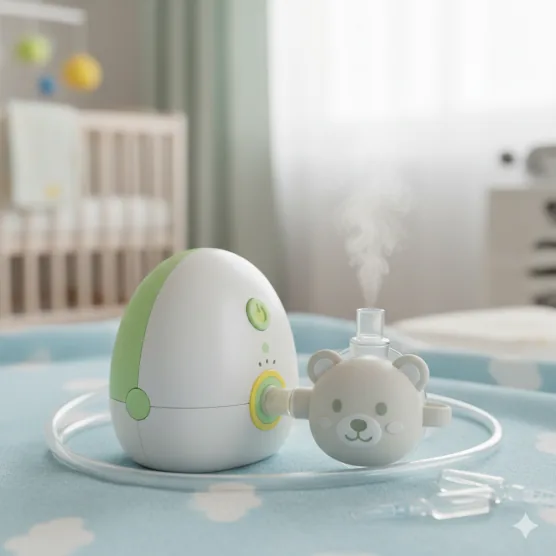
- Noise level: Quieter models are less likely to startle babies
- Mask size: Ensure infant-sized masks are included or available
- Portability: Useful for travel or moving between rooms
- Ease of cleaning: Simpler designs are easier to keep hygienic
For detailed recommendations, see our guide to the best nebulizers for infants.
Medical Disclaimer
This article is for informational purposes only and does not constitute medical advice. Nebulizer use for infants should always be supervised by a qualified healthcare provider. Never start, stop, or modify treatment without consulting your pediatrician. Every baby is different, and what works for one may not be appropriate for another.
Frequently Asked Questions
Yes, a 4 month old can safely use a nebulizer when prescribed by a pediatrician. At this age, babies have better head control and can tolerate the mask more easily. Always use an infant-sized mask and follow your doctor's specific instructions for medication and duration.
Nebulizers can be used for 1 month old babies under strict medical supervision. Due to their tiny airways and developing respiratory system, newborns require careful monitoring during treatment. Never use a nebulizer on a newborn without a doctor's prescription.
Yes, 6 month old babies can use nebulizers at home when prescribed by their pediatrician. At this age, babies are generally more cooperative. Ensure you use the correct infant mask size, prescribed medication only, and maintain proper hygiene of the nebulizer equipment.
A typical nebulizer treatment for babies lasts 10-15 minutes, but this varies based on the medication and your doctor's prescription. Never extend or shorten the treatment time without consulting your pediatrician.
The best time for nebulizer treatment is when your baby is calm, such as during feeding, after a nap, or while being held. Avoid giving treatment when the baby is crying, extremely hungry, or right after a full meal to prevent choking.
No, you should never use a nebulizer for your baby without a doctor's prescription. Even saline nebulization requires medical guidance for infants. The type of medication, dosage, and frequency must be determined by a pediatrician based on your baby's specific condition.