
When your little one is struggling with baby chest congestion, your instinct is to help them feel better as quickly as possible. The good news is that many cases can be managed naturally at home with gentle, safe remedies. Understanding how to clear that uncomfortable mucus buildup can bring relief to both you and your baby.
This guide covers proven natural methods that pediatricians recommend, based on guidance from the American Academy of Pediatrics, along with important signs to watch for. You have got this, and your baby will feel better soon.
Quick Answer for Busy Parents
Most baby chest congestion clears up within 7-10 days with natural care at home. Start with these safe methods: run a cool-mist humidifier, use saline drops with gentle suction, create a steamy bathroom for 10-15 minutes, and offer frequent feeds to keep baby hydrated.
See your doctor if: Baby has difficulty breathing, refuses to feed, has a fever (especially under 3 months), or shows blue coloring around lips. The HealthyChildren.org resource from the AAP provides additional guidance on recognizing respiratory emergencies in infants.
What Is Baby Chest Congestion?
Chest congestion occurs when mucus builds up in your baby's lower airways and lungs. You might hear a rattling sound when your baby breathes, or notice them coughing to try to clear the mucus.
It is different from nasal congestion, which affects the nose and upper airways. With nasal congestion, you will notice a stuffy or runny nose and snoring-like sounds. Chest congestion produces deeper, wetter sounds from the chest area.
How to Tell the Difference
- Nasal congestion: Stuffy nose, sniffles, difficulty breathing through nose, snoring sounds
- Chest congestion: Rattling or crackling sounds from chest, wet cough, heavier breathing
Many babies have both at the same time, especially during a cold. The good news is that similar natural remedies help with both types of congestion.
Common Causes of Chest Congestion in Babies
Understanding what is causing your baby's congestion helps you know what to expect and when to seek help.
1. Common Cold and Respiratory Viruses
The most frequent cause of chest congestion in babies is the common cold. Babies catch an average of 6-8 colds in their first year as their immune systems develop. These viral infections cause the body to produce extra mucus.
Cold-related congestion usually comes with other symptoms like a runny nose, mild fever, and fussiness.
2. Mucus Buildup from Crying or Feeding
Sometimes congestion is not from illness at all. Babies naturally produce mucus, and because they cannot blow their noses or cough effectively, it can accumulate. Extended crying or feeding can also increase mucus production temporarily.
3. Environmental Irritants
Your baby's sensitive airways may react to:
- Dry air (especially in winter with heating)
- Cigarette smoke or vaping residue
- Strong perfumes, air fresheners, or cleaning products
- Dust in the home
- Pet dander
4. Seasonal Allergies
While true allergies are less common in very young babies, some infants over 6 months may show sensitivity to seasonal allergens like pollen. Allergy-related congestion often comes with watery eyes and tends to occur during specific seasons.
5. Bronchiolitis or RSV
In some cases, chest congestion indicates a more significant infection like bronchiolitis (often caused by RSV). This typically starts like a cold but progresses to more noticeable wheezing and breathing difficulty. It is most common in babies under 12 months.
How to Clear Baby Chest Congestion Naturally
These gentle, doctor-approved methods can help your baby breathe more comfortably while their body fights off the infection.
1. Use a Cool-Mist Humidifier
Adding moisture to the air helps thin mucus, making it easier for your baby to clear. A cool-mist humidifier is the safest choice for babies because there is no burn risk.
Tips for using a humidifier:
- Place it near (not directly next to) your baby's sleep area
- Clean it daily to prevent mold and bacteria growth
- Use distilled or filtered water when possible
- Aim for 30-50% humidity in the room
- Do not add essential oils or medications to the water
2. Steam Therapy (Bathroom Method)
Steam helps loosen chest congestion effectively. The safest way to provide steam therapy for babies:
- Run a hot shower in a closed bathroom until the room is steamy
- Turn off the shower and sit with your baby in the steamy room
- Stay for 10-15 minutes while the steam works
- Hold your baby upright to help drainage
- Repeat 2-3 times daily as needed
Safety note: Never hold your baby near direct steam from a pot or kettle. The bathroom method is the only safe way to provide steam therapy for infants.
3. Saline Drops and Gentle Suction
Saline (salt water) drops help loosen thick mucus so you can remove it gently.
Step-by-step process:
- Lay your baby on their back with head slightly tilted
- Put 2-3 drops of saline in each nostril
- Wait 30-60 seconds for the saline to work
- Use a bulb syringe or nasal aspirator to gently suction
- Repeat before feeds and sleep time for best results
Saline drops are safe to use multiple times daily and are available at any pharmacy without a prescription.
4. Proper Positioning
Gravity can help mucus drain more easily:
- Hold your baby upright as much as possible when awake
- Keep baby upright for 20-30 minutes after feeding
- Slightly elevate the head of the mattress (place a folded towel underneath)
- Never use pillows or sleep positioners in the crib
Important: Always place your baby on their back to sleep, even when congested. Stomach sleeping is never safe, regardless of congestion.
5. Keep Baby Hydrated
Fluids help thin mucus from the inside out:
- Offer frequent breast milk or formula feeds
- Smaller, more frequent feeds may be easier for congested babies
- For babies over 6 months, small sips of water between feeds are okay
- Watch for wet diapers to ensure adequate hydration
Breastmilk is especially helpful because it contains antibodies that may help fight the infection causing congestion.
6. Gentle Chest Percussion
Light patting on your baby's back can help loosen mucus:
- Cup your hand slightly (like holding water)
- Gently pat your baby's back in a rhythmic motion
- Work from the lower back up toward the shoulders
- Do this while baby is positioned across your lap, slightly head-down
- Be very gentle; this should never cause discomfort
7. Keep the Environment Clean
- Vacuum and dust regularly
- Wash bedding in hot water weekly
- Keep pets out of the sleeping area temporarily
- Avoid smoking anywhere near your baby
- Skip strong fragrances and air fresheners
What Parents Should NOT Do
Some common remedies that work for adults are not safe for babies. Avoid these:
Do Not Use Adult Cold Medicines
Over-the-counter cold and cough medicines are not safe for children under 2 years old. The FDA advises against them due to serious potential side effects and lack of proven benefit in young children.
Do Not Use Vapor Rubs on Young Babies
Products like Vicks VapoRub contain camphor and menthol that can irritate infant airways and potentially cause breathing problems. These products are not recommended for babies under 2 years old.
Do Not Use Essential Oils Directly
Essential oils like eucalyptus, peppermint, or tea tree should not be applied to babies or used in their humidifiers. Their concentrated compounds can be harmful to developing respiratory systems.
Do Not Suction Too Forcefully or Frequently
Over-suctioning can irritate nasal passages and cause swelling, making congestion worse. Limit suctioning to 2-3 times per day, and always be gentle.
Do Not Give Honey
Honey is sometimes suggested for coughs, but it should never be given to babies under 12 months due to the risk of infant botulism.
Is Nebulization Needed for Chest Congestion?
In most cases, mild to moderate chest congestion does not require nebulization. The natural methods described above are usually sufficient.
However, your pediatrician may recommend a nebulizer if:
- Your baby has significant wheezing or breathing difficulty
- Natural methods are not providing relief
- Your baby has been diagnosed with bronchiolitis or reactive airway disease
- There is a history of respiratory issues
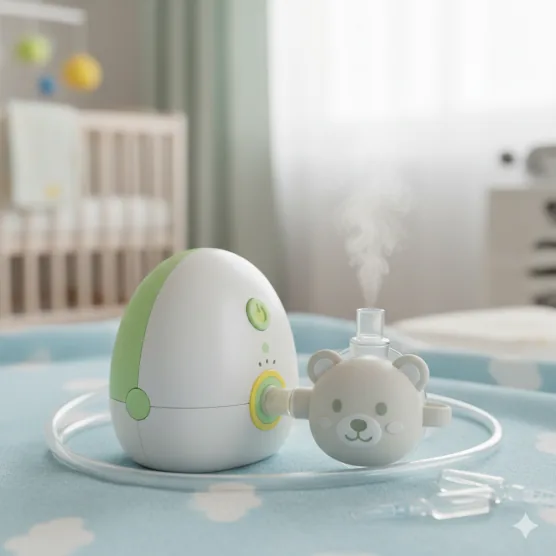
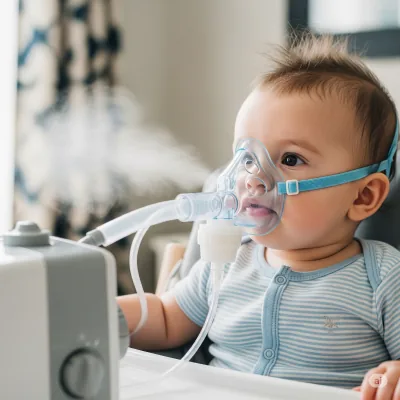
A nebulizer turns liquid medication into a fine mist that your baby breathes in, delivering medicine directly to the lungs. It can be very effective for certain conditions.
Important: Never use a nebulizer without a doctor's prescription. The medication type and dosage must be specifically determined for your baby. If you are still comparing options, our nebulizer vs humidifier comparison explains which one is more appropriate for baby congestion. For more information, read our guide: Is Nebulizer Safe for Newborn Babies? Doctor-Approved Safety Guide.
If your baby's congestion is accompanied by wheezing, especially at night, our article on Baby Wheezing at Night: Causes, Warning Signs & When to See a Doctor provides helpful guidance.
For understanding when medical professionals typically recommend nebulizer treatment, see: When Do Doctors Recommend Nebulization for Babies?
When to See a Pediatrician
While most chest congestion resolves on its own, certain signs require medical attention. Trust your instincts. If something feels wrong, call your doctor. For a detailed list of warning signs, read our guide on when to take your baby to the doctor for chest congestion.
Seek immediate medical care if your baby has:
- Blue or gray color around the lips, tongue, or fingernails
- Severe difficulty breathing or gasping
- Breathing that stops for more than 10 seconds
- Ribs pulling in sharply with each breath
- Inability to cry or make sounds
Call your pediatrician the same day if your baby has:
- Rapid breathing (more than 60 breaths per minute)
- Nostrils flaring with each breath
- Fever over 100.4F (38C) in babies under 3 months
- Refusing to feed or eating much less than usual
- Fewer wet diapers than normal
- Unusual sleepiness or difficulty waking
- Congestion that gets worse instead of better after 5-7 days
- Thick, green, or yellow mucus for more than 10 days
Schedule a visit within a few days if:
- Congestion lasts more than 2 weeks
- Your baby has repeated episodes of chest congestion
- You are concerned about your baby's breathing patterns
Helping Your Baby Sleep with Congestion
Congested babies often struggle with sleep. Here are tips to help:
- Do saline and suction before bedtime
- Run the humidifier all night
- Keep the room slightly cool (68-72F)
- Elevate the head of the mattress slightly
- Consider shorter, more frequent sleep periods
- Stay close so you can respond quickly if needed
Remember that disrupted sleep is temporary. Once the congestion clears, normal sleep patterns will return. For detailed guidance on safe sleep positions, read our complete guide on the best sleeping position for a congested baby.
Medical Disclaimer
This article is for informational purposes only and does not constitute medical advice. Every baby is different, and what works generally may not be appropriate for your child's specific situation.
Always consult with your pediatrician or healthcare provider for personalized medical advice. If you are concerned about your baby's breathing or overall health, seek medical attention promptly.
Never delay emergency care based on information read online.
A Note of Encouragement for Parents
Watching your baby struggle with congestion is hard. You might feel helpless, exhausted from disrupted sleep, and worried about whether you are doing enough.
Here is what you need to hear: You are doing a great job. The fact that you are researching how to help your baby shows how much you care.
Most chest congestion in babies is caused by common viruses that simply need to run their course. Your role is to keep your baby comfortable, watch for warning signs, and provide lots of love and cuddles. That is exactly what your baby needs most.
This uncomfortable time will pass. Within a week or two, your baby will be back to their happy, healthy self. Until then, be gentle with yourself too.
More Congestion & Medication Guides
For adult/general medication education, read mucinex for chest congestion, decongestant for stuffy nose, and flonase for congestion. For mixed symptom support, see stuffy nose and cough home care, flu congestion relief, and steam inhalation vs nebulizer.
Frequently Asked Questions
You can help your baby with chest congestion at home by using a cool-mist humidifier, applying saline drops followed by gentle suction, creating steam in the bathroom, keeping baby hydrated with frequent feeds, and elevating their head slightly during sleep. These natural methods help loosen mucus safely.
Yes, steam can help loosen chest congestion in babies. The safest method is to run a hot shower in a closed bathroom and sit with your baby in the steamy room for 10-15 minutes. Never hold your baby near direct steam or boiling water as this poses burn risks.
No, regular Vicks VapoRub should not be used on babies under 2 years old. The camphor and menthol can irritate young airways and potentially cause breathing problems. There are baby-specific chest rubs available, but always consult your pediatrician before using any product.
Baby chest congestion from a common cold typically lasts 7-10 days, with the worst symptoms usually occurring around days 3-5. If congestion persists beyond two weeks or gets worse instead of better, consult your pediatrician to rule out other causes.
No, babies should always sleep on their back, even when congested. Stomach sleeping increases the risk of SIDS. Instead, you can slightly elevate the head of the mattress by placing a folded towel underneath it, or hold your baby upright after feeding to help drainage.
Seek medical attention if your baby has rapid or labored breathing, skin pulling between ribs, blue or gray color around lips, fever over 100.4F in babies under 3 months, refuses to feed, has fewer wet diapers, or seems unusually tired or fussy. These signs may indicate a more serious condition.
Yes, breastmilk can help in two ways. First, frequent nursing keeps your baby hydrated, which helps thin mucus. Second, some parents apply a few drops of breastmilk in the nose as a natural saline alternative. The antibodies in breastmilk may also help fight the infection causing congestion.
A cool-mist humidifier is safer for babies than a warm-mist vaporizer. Warm-mist units pose burn risks if tipped over. Both add moisture to the air effectively, but cool-mist models are recommended by pediatricians for nurseries. Clean the humidifier daily to prevent mold growth.