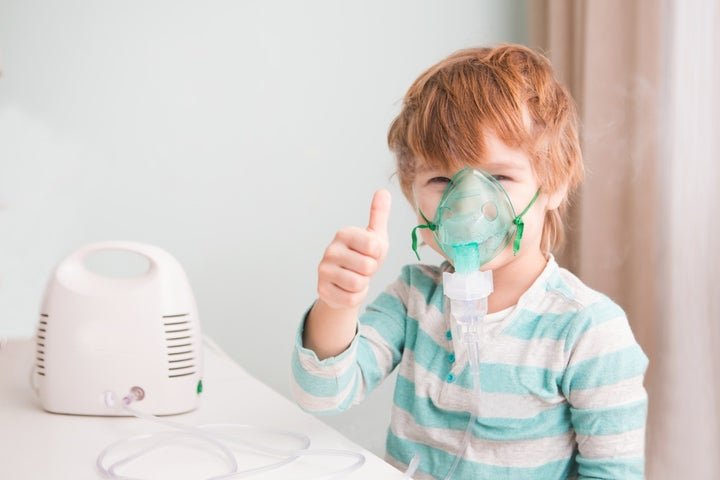
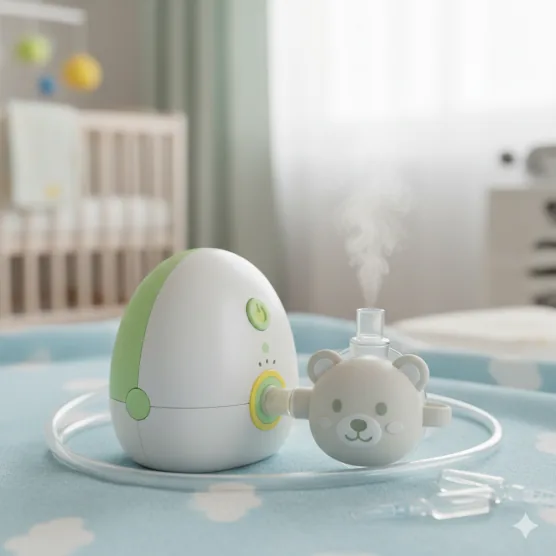
Nebulization is not for every cough or cold. According to the American Academy of Pediatrics, pediatricians recommend nebulizers only when specific respiratory symptoms appear. Knowing these signs helps parents act early and safely.
Common Conditions That Require Nebulization
- Bronchiolitis
- Asthma-like wheezing
- Chest congestion with breathing difficulty
- Respiratory infections
Warning Signs Parents Should Never Ignore
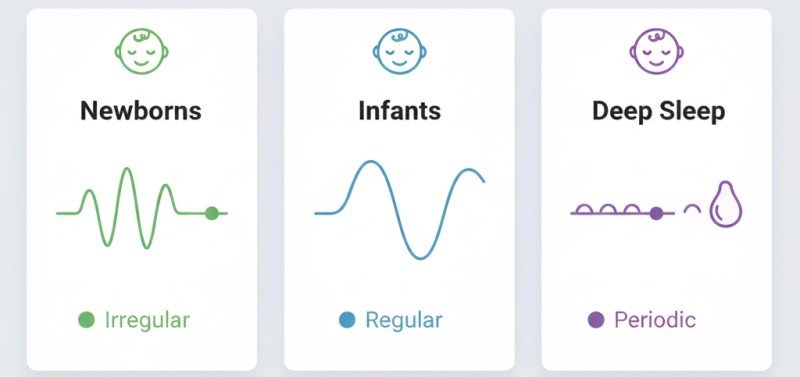
- Fast or labored breathing
- Chest retractions
- Persistent wheezing
- Difficulty feeding due to breathing issues
Why Nebulizers Are Preferred for Babies
Nebulizers allow medication to reach the lungs directly without requiring coordination, making them ideal for newborns and infants.
Doctor-Approved Safety Guide
Before starting nebulization, parents should read our complete safety guide:
Is Nebulizer Safe for Newborns? Full Parent Guide
Important: The HealthyChildren.org resource warns to never delay medical care if your baby shows breathing distress. Nebulization should always be doctor-directed.
Decision Framework: Observe, Support, Escalate
Many parents panic because symptoms change quickly. A simple framework helps: first observe breathing quality, then provide safe comfort care, and escalate early when warning signs appear.
- Observe: count breaths at rest, check feeding tolerance, and note chest movement.
- Support: saline + gentle suction, hydration, upright holding, and room humidity.
- Escalate: if breathing worsens, feeding drops, or your baby becomes unusually sleepy.
What Pediatricians Check Before Prescribing a Nebulizer
- Respiratory rate compared with age-appropriate range.
- Work of breathing (retractions, nasal flaring, grunting).
- Oxygen saturation and chest auscultation findings.
- Whether symptoms match bronchiolitis, wheeze, or another cause.
Parent Monitoring Plan for the Next 24 Hours
| Check | How Often | Action |
|---|---|---|
| Breathing effort | Every 2 to 3 hours | Escalate if retractions or fast breathing increase |
| Feeding amount | Each feed | Call pediatrician if intake drops significantly |
| Wet diapers | Daily total | Low output may suggest dehydration |
| Sleep and alertness | Throughout day | Seek urgent review for unusual lethargy |
At-Home Logging Template Parents Can Use
Write down time, breathing rate, feeding amount, and wet diapers. This record helps pediatricians quickly understand whether your baby is stabilizing or worsening. Bring this log to follow-up visits.
- Breathing rate: count for 60 seconds when your baby is calm.
- Feeding: compare each feed with usual intake.
- Hydration: monitor wet diaper count daily.
- Behavior: note irritability, lethargy, or poor sleep.
Night-Time Escalation Rules
Night symptoms can look worse because babies lie flat and mucus pools. If your baby has persistent chest pull, cannot settle after supportive care, or is feeding much less than normal, do not wait until morning. Contact urgent care services or emergency support.
What Not to Do While Waiting for Medical Review
- Do not use leftover medications from an older sibling.
- Do not increase nebulizer frequency beyond the prescribed plan.
- Do not use essential oils inside nebulizer cups or masks.
- Do not delay emergency care when breathing effort worsens.
Simple Follow-Up Plan After a Nebulizer Visit
| Window | What to Monitor | When to Escalate |
|---|---|---|
| First 6 hours | Breathing effort and feeding response | No improvement or worsening work of breathing |
| Same day | Wet diapers and sleep quality | Low intake, fewer wet diapers, unusual drowsiness |
| Next 24 hours | Symptom trend direction | Symptoms rebound quickly after each session |
Questions Parents Should Ask Before Going Home
- What exact signs mean we should return today?
- How many sessions are expected in the first 24 hours?
- What feeding drop is considered unsafe for this age?
- Do we need a scheduled follow-up, and when?
Transport and Home Setup Checklist
- Keep emergency numbers saved and visible.
- Prepare saline, suction bulb, and clean masks.
- Set a symptom log for breathing and feeding.
- Sleep in shifts if symptoms are unstable overnight.
What Improvement Should Look Like After Treatment
Parents often ask how to judge whether treatment is helping. Early response usually appears as calmer breathing, better feeding rhythm, and less visible chest effort. If your baby only improves briefly and then worsens again, that pattern should be discussed with your pediatrician because it can indicate the underlying problem still needs active management.
Disclaimer: This blog post is for informational purposes only and does not constitute medical advice. Always consult with a qualified healthcare professional regarding any medical concerns or before making any decisions related to your health or the health of your child.