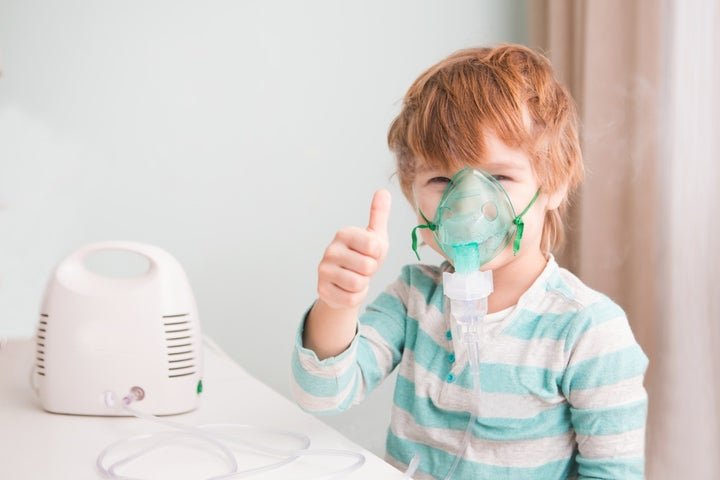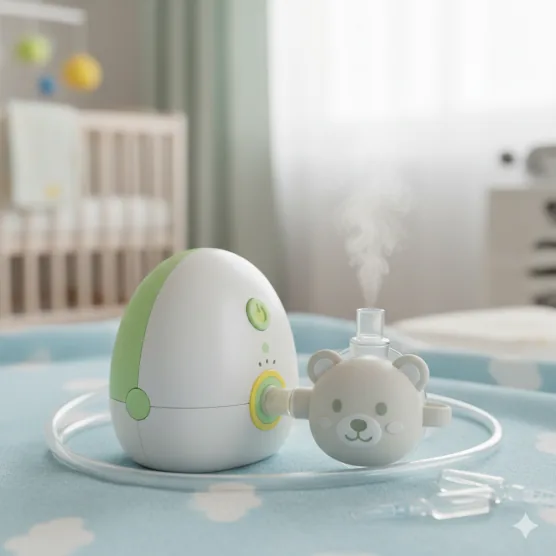
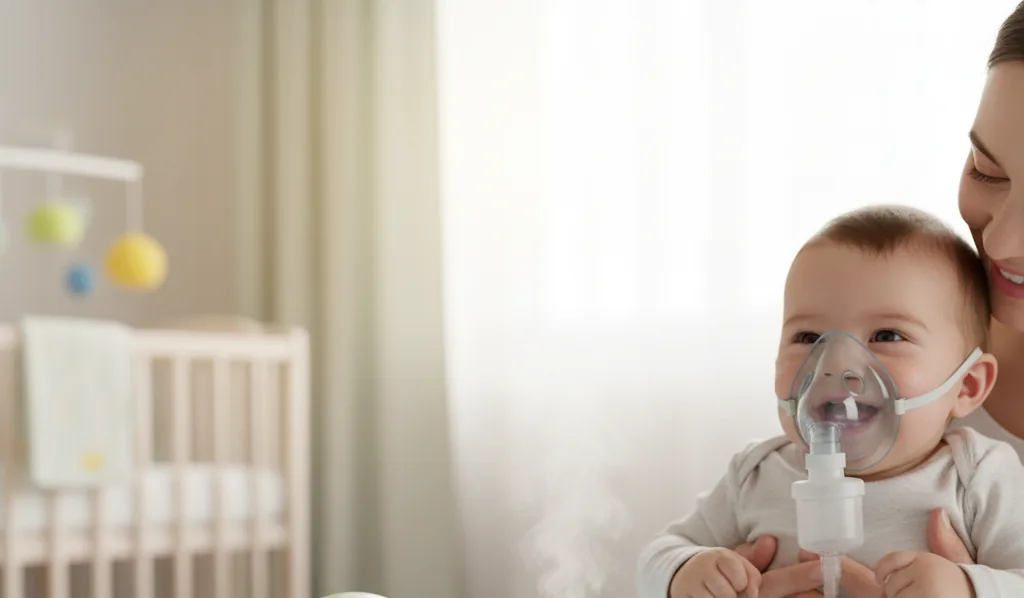
When a newborn struggles with breathing, it can be frightening for parents. Before trying a nebulizer, explore natural ways to clear baby chest congestion first. Many doctors recommend nebulization in specific cases, but a common question remains: is a nebulizer safe for newborn babies? The short answer is yes  when used correctly and under medical guidance.
This guide explains when pediatricians use nebulizers, what safety steps matter most at home, and the red-flag signs that mean your baby needs urgent medical care. It is written for quick decisions at stressful moments, so you can focus on safe care and avoid delayed treatment.
Can a Newborn Baby Safely Use a Nebulizer?
Pediatricians confirm that nebulizers can be safely used for newborns, even babies younger than one month. The American Academy of Pediatrics supports nebulizer use for infants when medically indicated. A nebulizer delivers medication as a fine mist, allowing the baby to breathe normally without effort or coordination.
However, nebulization should never be done without a doctor's prescription. As the CDC notes, the safety depends on the medication, dosage, and medical condition.
Why Doctors Prescribe Nebulizers for Newborns
- Bronchiolitis
- Severe chest congestion
- Wheezing or breathing difficulty
- Respiratory infections
Important Safety Rules for Parents
- Use only doctor-prescribed medication
- Use an infant-size mask
- Never force the mask on a crying baby
- Always clean the nebulizer after use
Learn More About Nebulizer Safety
For a complete step-by-step guide, dosage safety, and calming techniques, read our main guide:
Doctor-Approved Nebulizer Safety Guide for Newborns
Alongside treatment, try the best sleeping positions for congested baby to help your little one breathe easier at night. If you are unsure whether a machine for home comfort or a prescribed treatment makes more sense, read our guide on which is better for baby congestion. Not sure about symptoms? Know when to take baby to doctor for chest congestion.
Final Thought: A nebulizer can be a lifesaving tool for newborns when used responsibly. Always follow your pediatrician's advice and never self-medicate.
When to See a Doctor Immediately
Call emergency services or go to urgent care now if your newborn has any of these symptoms:
- Blue or gray lips, tongue, or skin
- Fast breathing, chest pulling in, or grunting
- Poor feeding or signs of dehydration
- Fever of 100.4F (38C) or higher in babies under 3 months
- Pauses in breathing or unusual sleepiness
Daily Safety Routine for Parents
- Review prescription label before every session.
- Wash hands and prepare a clean treatment area.
- Use only the dose and schedule prescribed by your pediatrician.
- Observe breathing and feeding response after treatment.
- Disinfect and air-dry parts before storing.
Common Mistakes That Increase Risk
- Sharing masks or cups between siblings without proper disinfection.
- Using tap water or non-prescribed liquids in the chamber.
- Skipping follow-up when symptoms keep returning.
Frequently Asked Questions
Yes, when prescribed by a pediatrician with the correct medicine and dosage. Do not use leftover medicine or non-prescribed treatments.
Doctors may prescribe it for bronchiolitis, significant wheezing, or breathing distress where inhaled medication is needed in the lower airways.
Only if your pediatrician recommends it. Even saline schedules vary by age and condition.
Usually 5 to 10 minutes, or until medication is finished. Follow your doctor for exact timing and frequency.
Use only prescribed medication, fit an infant mask correctly, keep baby upright and calm, and clean all parts after each use.
Go urgently for blue lips, chest retractions, fever under 3 months, poor feeding, dehydration signs, or breathing pauses.
More Congestion & Medication Guides
For adult/general medication education, read mucinex for chest congestion, decongestant for stuffy nose, and flonase for congestion. For mixed symptom support, see stuffy nose and cough home care, flu congestion relief, and steam inhalation vs nebulizer.
Medical Disclaimer
This content is educational and not a substitute for professional diagnosis or treatment. Newborn breathing concerns can escalate quickly.
Always follow your pediatrician's plan. If your baby's breathing looks worse or you are unsure, seek urgent care immediately.