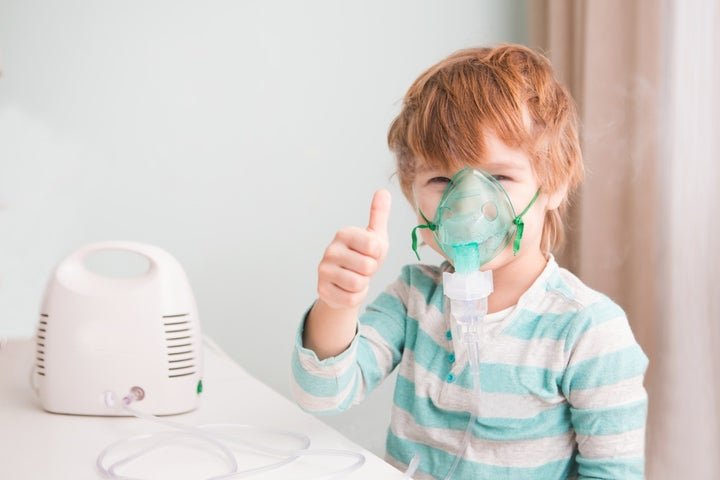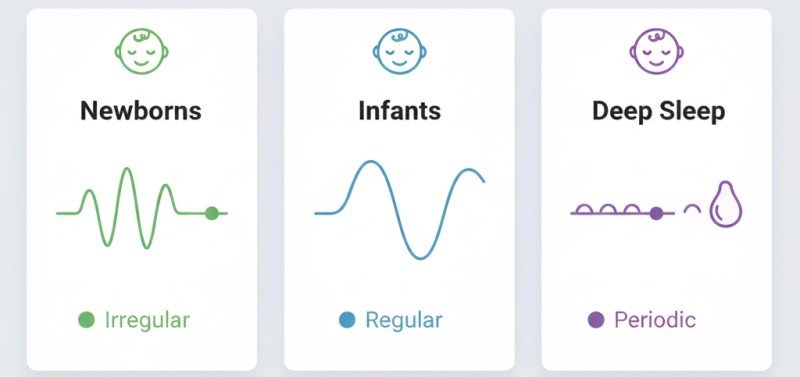
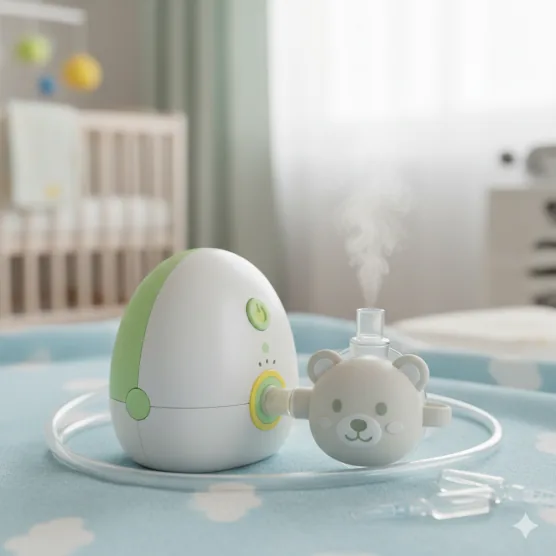
While nebulizers are commonly used for babies, the approach differs between a newborn and an older infant. Understanding this difference helps parents ensure safe and effective treatment.
Nebulizer Use in Newborn Babies
Newborns have extremely sensitive airways. The American Academy of Pediatrics notes that doctors prescribe nebulizers only when necessary and usually in controlled doses. Treatments are shorter and closely monitored.
Nebulizer Use in Older Infants (3–12 Months)
Older infants tolerate nebulization better. They may receive longer sessions and slightly higher medication doses depending on their condition.
Key Differences at a Glance
- Newborns require stricter supervision
- Infants tolerate masks more easily
- Medication type and dosage differ
Which Is Safer?
Both are safe when prescribed by a pediatrician, as confirmed by HealthyChildren.org. The difference lies in how carefully treatment is managed.
Complete Safety Guidelines
We've covered newborn and infant safety in detail in our main guide:
Pediatrician-Approved Infant Nebulizer Safety Guide
Parent Tip: Never assume the same dosage or duration works for all babies. Always consult your doctor.
Decision Framework: Observe, Support, Escalate
Many parents panic because symptoms change quickly. A simple framework helps: first observe breathing quality, then provide safe comfort care, and escalate early when warning signs appear.
- Observe: count breaths at rest, check feeding tolerance, and note chest movement.
- Support: saline + gentle suction, hydration, upright holding, and room humidity.
- Escalate: if breathing worsens, feeding drops, or your baby becomes unusually sleepy.
What Pediatricians Check Before Prescribing a Nebulizer
- Respiratory rate compared with age-appropriate range.
- Work of breathing (retractions, nasal flaring, grunting).
- Oxygen saturation and chest auscultation findings.
- Whether symptoms match bronchiolitis, wheeze, or another cause.
Parent Monitoring Plan for the Next 24 Hours
| Check | How Often | Action |
|---|---|---|
| Breathing effort | Every 2 to 3 hours | Escalate if retractions or fast breathing increase |
| Feeding amount | Each feed | Call pediatrician if intake drops significantly |
| Wet diapers | Daily total | Low output may suggest dehydration |
| Sleep and alertness | Throughout day | Seek urgent review for unusual lethargy |
At-Home Logging Template Parents Can Use
Write down time, breathing rate, feeding amount, and wet diapers. This record helps pediatricians quickly understand whether your baby is stabilizing or worsening. Bring this log to follow-up visits.
- Breathing rate: count for 60 seconds when your baby is calm.
- Feeding: compare each feed with usual intake.
- Hydration: monitor wet diaper count daily.
- Behavior: note irritability, lethargy, or poor sleep.
Night-Time Escalation Rules
Night symptoms can look worse because babies lie flat and mucus pools. If your baby has persistent chest pull, cannot settle after supportive care, or is feeding much less than normal, do not wait until morning. Contact urgent care services or emergency support.
Medication and Dosing Principles Parents Should Understand
Doctors choose medication and dose based on age, weight, diagnosis, and exam findings. Newborn plans are usually more conservative because their airways are smaller and tolerance differs from older infants.
- Age and weight guide prescription strategy.
- Frequency depends on response and severity, not parental preference.
- Reassessment is required if symptoms change after treatment.
Mask Fit and Positioning Checklist
- Keep your baby upright on your chest or lap.
- Seal the infant mask gently around nose and mouth.
- Pause and reset if crying causes repeated mask gaps.
- Clean and dry all parts after every session.
When to Re-Contact the Pediatrician
Call again if breathing seems harder, feeds drop, or your baby looks increasingly tired between sessions. Treatment plans for infants often need adjustment based on day-to-day response.
Session Timing Strategy for Parents
- Plan sessions before feeds when possible for better tolerance.
- Avoid long delays if symptoms return before next feed window.
- Keep the same daily schedule to reduce treatment chaos.
Cleaning Protocol After Every Session
- Disassemble chamber, mask, and tubing as directed.
- Wash approved parts with warm soapy water.
- Rinse thoroughly and air-dry on a clean surface.
- Use periodic disinfection per manufacturer guidance.
Disclaimer: This blog post is for informational purposes only and does not constitute medical advice. Always consult with a qualified healthcare professional regarding any medical concerns or before making any decisions related to your health or the health of your child.