According to HealthyChildren.org, most baby chest congestion is caused by common colds and resolves on its own within 7-10 days. Try home remedies first  read how to clear baby chest congestion naturally. However, sometimes congestion can be a sign of something more serious that requires medical attention.
As a parent, knowing the difference between normal cold symptoms and warning signs can help you make the right decision about when to seek help. The American Academy of Pediatrics provides detailed guidelines for recognizing respiratory emergencies in infants. This guide explains exactly what to watch for and when to act.
Emergency Warning Signs - Call 911 or Go to ER
- Blue or gray color around lips, tongue, or fingernails
- Severe difficulty breathing or gasping for air
- Ribs pulling in sharply with each breath
- Breathing that stops for more than 10 seconds
- Cannot cry or make sounds
- Unresponsive or extremely difficult to wake
Normal vs Concerning Chest Congestion
Understanding what is typical during a cold helps you recognize when something is wrong.
What Is Normal During a Cold
- Stuffy or runny nose
- Mild cough, especially when lying down
- Clear, white, yellow, or green mucus
- Slightly decreased appetite
- Fussiness and disrupted sleep
- Low-grade fever (under 101°F in babies over 3 months)
- Symptoms that peak around days 3-5 then gradually improve
What May Indicate a Problem
- Breathing faster than normal (see rates below)
- Visible effort to breathe (ribs showing, nostrils flaring)
- Wheezing or crackling sounds from the chest
- High fever, especially in young babies
- Refusing to eat or drink
- Significantly fewer wet diapers
- Symptoms that get worse instead of better after day 5
- Congestion lasting more than 2 weeks
Emergency Signs - Go to the ER Immediately
If your baby shows any of these signs, do not wait. Call 911 or go to the nearest emergency room immediately.
Breathing Emergencies
- Blue or gray coloring: Around the lips, tongue, face, or fingernails. This indicates insufficient oxygen and is a medical emergency.
- Severe breathing difficulty: Gasping, grunting with each breath, or unable to catch breath between cries.
- Apnea: Breathing that stops for more than 10 seconds.
- Severe retractions: Skin pulling in sharply between ribs, at the throat, or below the rib cage with each breath.
Other Emergency Signs
- Unresponsive: Baby is extremely difficult to wake or does not respond to you.
- Cannot cry or make sounds: This may indicate severe airway obstruction.
- Seizures: Any jerking movements or loss of consciousness.
- Bulging soft spot: The fontanelle on top of baby's head is bulging outward.
Same-Day Doctor Visit Signs
These symptoms warrant a same-day call to your pediatrician or a visit to urgent care.
Fever Guidelines by Age
| Baby's Age | Fever That Requires Same-Day Contact |
|---|---|
| Under 3 months | 100.4°F (38°C) or higher - ALWAYS seek immediate care |
| 3-6 months | 101°F (38.3°C) or higher |
| 6-12 months | 102°F (38.9°C) or higher, or fever lasting 2+ days |
| Any age | Fever with rash, stiff neck, or severe headache |
Important: For babies under 3 months old, any fever of 100.4°F or higher is considered a medical emergency. Call your pediatrician immediately or go to the ER, even in the middle of the night.
Breathing Concerns
- Rapid breathing: More than 60 breaths per minute in newborns, or significantly faster than your baby's normal rate
- Nasal flaring: Nostrils opening wide with each breath
- Mild retractions: Visible pulling in of the skin between ribs or at the throat
- Wheezing: A high-pitched whistling sound when breathing out
- Stridor: A harsh, barking sound when breathing in
Feeding and Hydration Concerns
- Refusing to feed: Baby will not nurse or take bottle at all
- Eating much less: Taking less than half of normal feeds
- Fewer wet diapers: Less than 4 wet diapers in 24 hours for babies over 1 week old
- No wet diaper in 6-8 hours: Signs of dehydration
- Dry mouth or no tears: Additional dehydration signs
Behavior Changes
- Extreme fatigue: Unusually sleepy or difficult to wake for feeds
- Inconsolable crying: Cannot be comforted by normal methods
- High-pitched or weak cry: Cry sounds different than normal
- Limp or floppy: Less muscle tone than usual
Schedule an Appointment Signs
These situations are not emergencies but warrant a doctor visit within a few days.
- Congestion lasting 2+ weeks: Most colds resolve within 10-14 days
- No improvement after 7 days: Symptoms should start improving by now
- Getting worse after day 5: Cold symptoms typically peak around day 3-5 then improve
- Recurring congestion: Multiple episodes of chest congestion in a short period
- Persistent thick mucus: Green or yellow mucus for more than 10-14 days
- Ear pulling with fever: May indicate ear infection
- Cough lasting 3+ weeks: Post-nasal drip coughs can linger but should be evaluated
What to Expect at the Doctor
Knowing what happens during a visit can help reduce anxiety.
What the Doctor Will Check
- Vital signs: Temperature, heart rate, breathing rate, oxygen levels
- Lungs: Listening with a stethoscope for wheezing, crackling, or decreased breath sounds
- Ears: Looking for signs of ear infection
- Throat: Checking for redness or swelling
- Hydration status: Checking for signs of dehydration
- Overall appearance: How alert and active your baby is
Possible Tests
Not all visits require testing, but your doctor may order:
- Pulse oximetry: A painless clip on the finger or toe to measure oxygen levels
- RSV test: A nasal swab to check for respiratory syncytial virus
- Chest X-ray: If pneumonia is suspected
- Blood tests: Rarely needed but may be done if bacterial infection is suspected
How Doctors Treat Baby Chest Congestion
Treatment depends on the cause and severity of your baby's symptoms.
For Viral Infections (Most Common)
Viral infections like the common cold cannot be treated with antibiotics. The doctor may recommend:
- Continue home care: saline drops, suction, humidifier
- Monitor for worsening symptoms
- Return if not improving as expected
For Wheezing or Bronchiolitis
If your baby is wheezing, the doctor may prescribe:
- Nebulizer treatment: Medication delivered as a mist to help open airways
- Close monitoring: Instructions on what to watch for at home
- Hospital admission: If breathing difficulty is severe or oxygen levels are low
Learn more about nebulizer treatment in our guide: Is Nebulizer Safe for Newborn Babies? Doctor-Approved Safety Guide
For Bacterial Infections
If a bacterial infection is suspected or confirmed, the doctor may prescribe:
- Antibiotics: Oral or, in severe cases, IV antibiotics
- Follow-up visit: To ensure the infection is clearing
How to Monitor Your Baby at Home
Counting Breathing Rate
Watch your baby's chest rise and fall for 60 seconds. Count each rise as one breath.
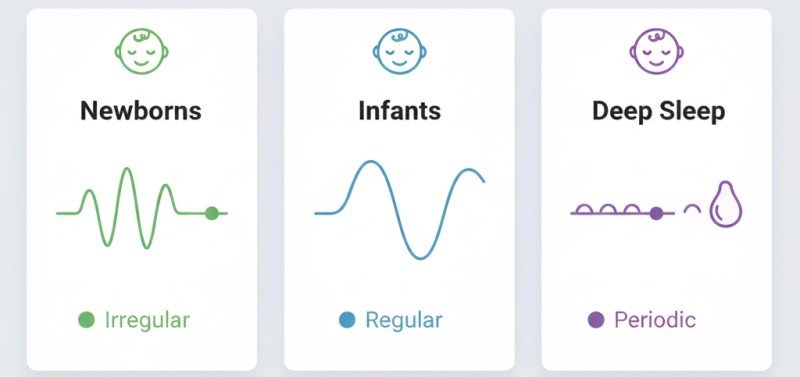
- Newborns (0-2 months): 30-60 breaths per minute is normal
- Infants (2-12 months): 24-40 breaths per minute is normal
- Concerning: Rates consistently above these ranges, especially if accompanied by other symptoms
Checking for Retractions
Remove your baby's shirt and watch their chest during breathing:
- Look for skin pulling in between the ribs
- Look for skin pulling in at the throat (suprasternal notch)
- Look for skin pulling in below the rib cage
Any visible pulling indicates your baby is working harder than normal to breathe.
Keeping a Symptom Log
Track the following to share with your doctor:
- Temperature readings and times
- Number of wet diapers per day
- How much baby is eating (ounces or minutes nursing)
- Sleep patterns and quality
- When symptoms started and how they have changed
For natural remedies to use while monitoring at home, see our complete guide: How to Clear Baby Chest Congestion Naturally (Doctor-Approved Tips).
Medical Disclaimer
This article is for informational purposes only and is not a substitute for professional medical advice. The warning signs listed here are general guidelines; every baby is different.
Trust your instincts. If something feels wrong with your baby, even if you cannot pinpoint exactly what it is, call your pediatrician or seek medical care. Parents often sense when something is not right before obvious symptoms appear.
When in doubt, always seek medical advice.
Help your baby breathe easier with the best sleeping positions for a congested baby. Also read: baby wheezing at night  when to see a doctor.
Key Takeaways
- Blue/gray coloring, severe breathing difficulty, or unresponsiveness = Go to ER immediately
- Fever of 100.4°F+ in babies under 3 months = Seek immediate medical care
- Wheezing, rapid breathing, or refusing feeds = Same-day doctor contact
- Congestion lasting 2+ weeks or getting worse after day 5 = Schedule appointment
- Most colds resolve in 7-10 days with home care
- Trust your instincts - if something feels wrong, call your doctor
More Congestion & Medication Guides
For adult/general medication education, read mucinex for chest congestion, decongestant for stuffy nose, and flonase for congestion. For mixed symptom support, see stuffy nose and cough home care, flu congestion relief, and steam inhalation vs nebulizer.
Frequently Asked Questions
Take your baby to the ER immediately if they have: blue or gray color around lips or face, severe difficulty breathing or gasping, ribs pulling in sharply with each breath, breathing that stops for more than 10 seconds, or inability to cry or make sounds.
Most baby chest congestion from a common cold lasts 7-10 days. If congestion persists beyond 2 weeks, gets worse instead of better after 5-7 days, or keeps recurring, schedule an appointment with your pediatrician to rule out other causes.
For babies under 3 months, any fever of 100.4°F (38°C) or higher requires immediate medical attention. For babies 3-6 months, call if fever reaches 101°F (38.3°C). For babies over 6 months, contact your doctor if fever exceeds 102°F (38.9°C) or lasts more than 2-3 days.
Yes, wheezing (a high-pitched whistling sound when breathing) should prompt a same-day call to your pediatrician. Wheezing can indicate the congestion has moved deeper into the airways and may require medical treatment such as nebulization.
Green or yellow mucus is normal during a cold and does not automatically mean a bacterial infection. However, if colored mucus persists for more than 10-14 days or is accompanied by high fever, this may indicate a secondary infection requiring medical evaluation.