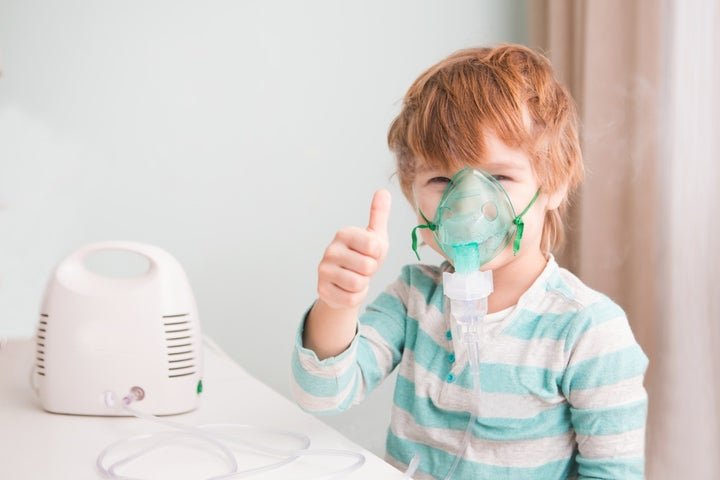
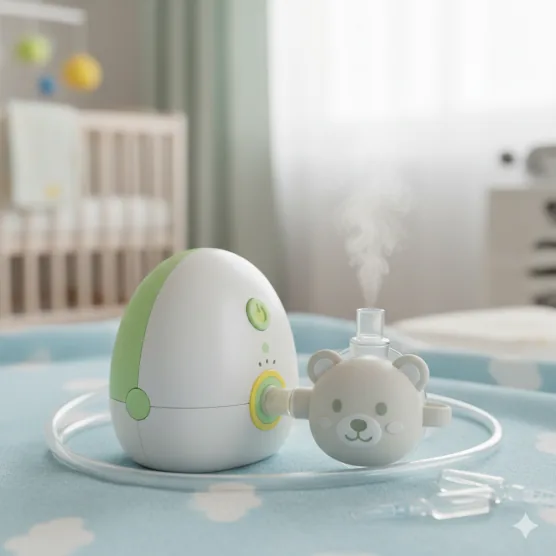
Nebulizers have become a common tool in treating infant respiratory conditions, from bronchiolitis to severe chest congestion. While they're generally safe and effective when prescribed by a doctor, many parents worry: Is nebulizer harmful for babies? What side effects should I watch for?
Understanding what's normal versus what's concerning can help you feel more confident during your baby's treatment. This guide covers everything you need to know about the side effects of nebulisation in infants.
Good to Know: Nebulizers themselves are not harmful. Most side effects are related to the specific medications used, not the nebulizer device. When used as prescribed, nebulization is a safe treatment method for infants.
Is Nebulizer Harmful for Babies?
Let's address this concern directly: No, nebulizers are not inherently harmful for babies when used correctly and under medical guidance. Nebulizers are simply delivery devices that turn liquid medication into a breathable mist. The American Academy of Pediatrics confirms nebulizers are safe when used as directed by a pediatrician.
The safety of nebulization depends on:
- Using doctor-prescribed medications only
- Following correct dosage instructions
- Proper technique and equipment maintenance
- Appropriate use for your baby's specific condition
That said, like any medical treatment, nebulization can have side effects. HealthyChildren.org recommends monitoring your baby closely during treatments. Understanding these helps you know what to expect and when to seek help.
Common Mild Side Effects (Usually Not Concerning)
These side effects are relatively common and typically resolve on their own within 30-60 minutes after treatment:
1. Temporary Fussiness or Irritability
Many babies don't enjoy having a mask on their face. The noise of the nebulizer and the sensation of the mist can cause temporary fussiness. This usually improves as babies become accustomed to the treatment routine.
2. Shakiness or Trembling
Some bronchodilator medications (like albuterol/salbutamol) can cause mild trembling or shakiness. This is a known effect of the medication stimulating the baby's system and typically passes within an hour.
3. Increased Heart Rate
Certain medications may temporarily increase heart rate. You might notice your baby seems more alert or active after treatment. This is generally harmless and short-lived.
4. Dry Mouth or Throat Irritation
The mist can sometimes dry out the mouth and throat. For babies who are eating solids or drinking water, offering fluids after treatment can help.
5. Mild Coughing During Treatment
Some coughing during nebulization is normal - it's actually a sign that the medication is reaching the airways. However, excessive or distressing coughing should be reported to your doctor.
6. Temporary Restlessness
Some babies may seem wound up or have difficulty settling after treatment, particularly with stimulant-type medications. This typically resolves within 1-2 hours.
Rare But Serious Reactions (Seek Medical Help)
While uncommon, some reactions require immediate medical attention:
Warning Signs - Call Your Doctor or Seek Emergency Care If:
- Breathing becomes MORE difficult during or after treatment
- Blue or gray color around lips, fingernails, or skin
- Severe vomiting during or after treatment
- Rash, hives, or skin changes (possible allergic reaction)
- Swelling of face, lips, or throat
- Extreme drowsiness or difficulty waking baby
- High fever developing or worsening
- Wheezing that gets worse instead of better
Medicine-Related vs. Device-Related Side Effects
It's helpful to understand where side effects typically come from:
Medicine-Related Side Effects
Most side effects are caused by the medication, not the nebulizer itself:
- Bronchodilators (albuterol/salbutamol): Shakiness, increased heart rate, restlessness
- Steroids (budesonide): Oral thrush with prolonged use, potential growth effects with long-term use
- Saline solutions: Generally very few side effects; occasional coughing
Learn more about different medications in our guide to nebulizer medicine for infants.
Device-Related Issues
Problems from the nebulizer device are usually related to improper use:
- Skin irritation: From mask pressing too tightly
- Eye irritation: If mask doesn't fit properly and mist escapes
- Infection risk: From improperly cleaned equipment
When to Stop Nebulization and Call Your Doctor
Stop the treatment immediately and contact your healthcare provider if:
- Your baby shows any signs of allergic reaction
- Breathing worsens during treatment
- Baby becomes extremely distressed and cannot be calmed
- You notice any of the serious warning signs listed above
- Side effects seem severe or don't resolve after treatment
- You're unsure whether a reaction is normal
Trust your instincts. If something doesn't feel right, it's always better to call your pediatrician and ask.
How to Reduce Side Effects Safely
While you can't eliminate all possibility of side effects, these strategies can help minimize them:
Before Treatment
- Use only medications prescribed specifically for your baby
- Double-check dosage before each treatment
- Ensure all equipment is clean and dry
- Choose a calm time (not when baby is overtired or very hungry)
During Treatment
- Ensure proper mask fit - snug but not pressing hard
- Keep baby in upright or semi-reclined position
- Stay calm yourself - babies sense anxiety
- Use distraction techniques (songs, gentle talking, videos)
After Treatment
- Gently wipe baby's face to remove medication residue
- Offer breast milk, formula, or water (if age-appropriate)
- Allow quiet time if baby seems overstimulated
- Clean equipment thoroughly according to manufacturer instructions
Tracking Side Effects
Keeping a simple log can help you and your doctor identify patterns:
- Date and time of treatment
- Medication and dose used
- Any side effects observed
- How long side effects lasted
- Baby's overall response to treatment
This information is valuable when discussing your baby's treatment plan with your pediatrician.
Medical Disclaimer
This article provides general information about nebulizer side effects in infants and is not a substitute for professional medical advice. Always consult your pediatrician about your baby's specific situation. If you're concerned about any symptoms your baby is experiencing, contact your healthcare provider immediately.
Frequently Asked Questions
When used correctly under medical supervision, nebulizers are not harmful for babies. They are a safe and effective way to deliver respiratory medication. However, like any medical treatment, they can cause side effects, which is why proper guidance from a pediatrician is essential.
Common mild side effects include temporary fussiness, slight shakiness or trembling, increased heart rate, dry mouth or throat irritation, mild coughing during treatment, and temporary restlessness. These typically resolve within 30-60 minutes after treatment.
Stop treatment and call your doctor immediately if you notice severe breathing difficulty, blue lips or fingernails, excessive vomiting, high fever, extreme drowsiness, rash or hives, swelling of face or throat, or if symptoms worsen instead of improve.
Nebulizer treatment itself does not cause fever. If your baby develops fever during nebulizer treatment, it's likely related to the underlying illness, not the nebulization. However, always inform your pediatrician about any fever development.
To minimize side effects: use only prescribed medications and dosages, ensure proper mask fit, keep baby calm during treatment, offer water after treatment if age-appropriate, clean equipment thoroughly, and time treatments when baby is relaxed rather than tired or hungry.