Medical disclaimer: This article is educational and does not replace medical diagnosis or treatment. For personal guidance, speak with a licensed clinician or pharmacist.
When breathing becomes tight, fast, or noisy, many people search for �nebulizer for asthma� and want a direct answer: does it help, and when should it be used? A nebulizer can be part of an asthma care plan, but it is not a universal first choice for everyone. In many cases, inhalers with spacers are just as effective when used correctly. The right option depends on symptom severity, age, inhaler technique, and clinician advice. This guide explains what nebulizers do, when they may be used, how they compare with inhalers, what safety steps matter at home, and which danger signs require urgent care.
What a Nebulizer Does in Asthma Care
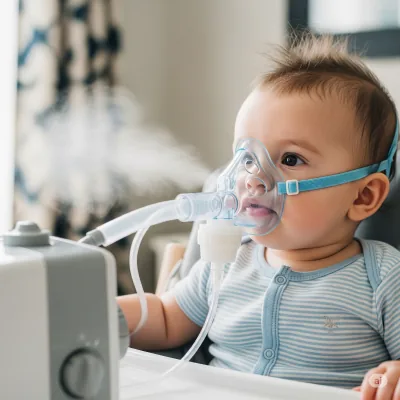
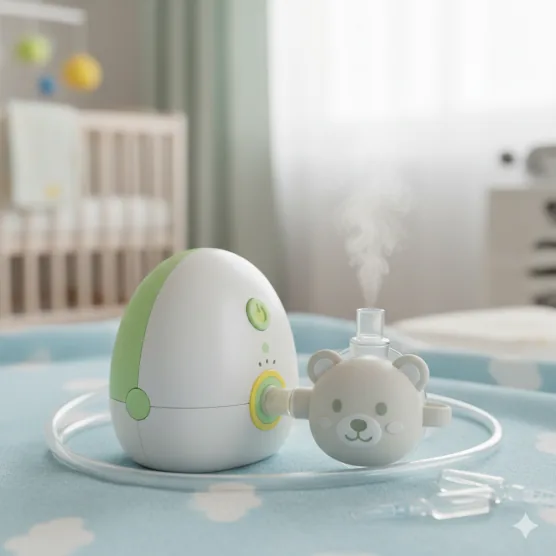
According to the American Academy of Pediatrics, a nebulizer converts prescribed liquid medicine into a fine mist that you breathe into your lungs through a mouthpiece or mask. The goal is to deliver medication directly into the airways where asthma inflammation and narrowing happen. This can help relieve symptoms such as wheeze, chest tightness, and breathlessness when used as part of a clinician-directed asthma plan.
Important point: the machine itself does not treat asthma without medication. It is only a delivery method. Treatment effect depends on the medicine prescribed by your clinician.
Nebulizer vs Inhaler: Which One Is Better?
There is no single winner in every situation. The CDC notes that many modern asthma plans prioritize inhalers (often with a spacer) because they are portable, fast, and effective when technique is correct. Nebulizers can be useful when a person is too breathless to coordinate inhaler steps, when a child cannot use an inhaler well yet, or when a clinician specifically advises it.
Inhaler strengths
- Portable and quick
- Lower setup time
- Works well with proper technique and spacer
Nebulizer strengths
- Can be easier during distress or poor coordination
- Useful in certain pediatric or severe episodes
- May be preferred in specific clinician protocols
For baby-specific context, see is nebulizer safe for newborn babies and nebulizer for babies by age guide.
Who Might Benefit From a Nebulizer
A clinician may consider nebulizer treatment when:
- Symptoms are moderate to severe and inhaler use is difficult in that moment
- A patient has repeated technique errors with inhalers despite coaching
- A young child cannot reliably use a spacer and inhaler yet
- Home action plan explicitly includes nebulizer steps
Do not self-start prescription asthma medications based on online content. Ask your clinician what device is best for your specific history.
Safety Notes Before Using Any Asthma Medication
- Use only medicine prescribed for you or your child
- Do not share nebulizer medication between family members
- If pregnant or breastfeeding, confirm medication safety with your clinician
- If you have high blood pressure, heart rhythm issues, thyroid disease, or glaucoma, ask your pharmacist about interactions and cautions
- For infants and children, avoid adult OTC assumptions and always follow pediatric advice
Cleaning and Maintenance: Why It Matters
Device hygiene is not optional. A poorly cleaned nebulizer can spread germs or lower treatment quality. After each session, clean medicine-contact parts according to manufacturer guidance and let them air-dry fully. Disinfect at the recommended schedule, replace worn tubing/masks, and store parts in a clean dry area.
If a baby uses nebulization, this hygiene step is especially important because infant airways are sensitive. You can also review how to clean baby nebulizer for practical steps.
Can Steam Inhalation Replace a Nebulizer?
No. Steam and nebulizers are different. Steam adds warm moisture and may briefly comfort some congestion symptoms, but it does not deliver prescribed asthma medicine to the lungs. It cannot replace rescue or controller treatment in an asthma plan.
There are also burn risks with hot steam, especially around children. For a full comparison, read steam inhalation vs nebulizer.
When to See a Doctor
Contact your clinician promptly if asthma symptoms are more frequent, nighttime cough is increasing, activity is limited, or you rely on quick-relief treatment more often than your plan expects. These patterns may mean your maintenance plan needs review.
Seek Urgent Care Now If You Notice
- Severe shortness of breath at rest
- Blue or gray lips/fingertips
- Chest retractions or rapid breathing that worsens
- Trouble speaking full sentences
- Confusion, drowsiness, or faintness
- Symptoms not improving with prescribed rescue treatment
Questions to Ask Your Clinician or Pharmacist
- Should my plan use inhaler, nebulizer, or both?
- How do I check whether my device technique is correct?
- What side effects should I monitor?
- How often should I clean and replace parts?
- What is my exact emergency action threshold?
Related Tools and Reading
- Nebulizer vs inhaler for baby congestion
- When doctors recommend nebulization for babies
- How to clear baby chest congestion naturally
- Baby wheezing at night: warning signs
- Stuffy nose and cough home care
- Flu congestion relief guide
- Stress level quiz
Frequently Asked Questions
Medical disclaimer: FAQs below are general education. For medication decisions, consult your clinician or pharmacist.
It delivers prescribed medication as inhaled mist to help open or calm the airways as directed by your clinician.
Not always. Inhalers with spacers work very well for many people. Device choice depends on symptoms and technique.
No. Prescription respiratory medications should never be shared.
No. Steam does not replace prescribed asthma medication delivery.
Book a clinician review. Recurrent symptoms usually mean your long-term plan needs adjustment.
Seek urgent care for blue lips, severe breathlessness, chest retractions, confusion, or no response to prescribed rescue treatment.