
If you are overheated, wiped out after a workout, recovering from diarrhea, or simply feeling behind on fluids, you probably want the same thing: the fastest safe way to feel normal again. The challenge is that rehydration is not one-size-fits-all. Mild dehydration from a hot walk is different from fluid loss after vomiting or repeated sweating.
In many cases, you can improve quickly at home with steady fluids, cooling down, and sometimes electrolytes. But if symptoms are stronger, worsening, or tied to illness, the right move is not just "drink more water." It is knowing when to use water, when to add sodium, and when to get medical help instead.
Quick Answer
For mild dehydration, move somewhere cool, drink fluids in small steady amounts, and rest. If you have been sweating heavily or losing fluids from vomiting or diarrhea, use an electrolyte drink or oral rehydration approach instead of relying only on plain water.
Best next steps: Signs of Dehydration | Electrolyte Drinks Guide | Water Intake Calculator
First, know what kind of dehydration you are dealing with
The fastest way to rehydrate depends on why you are depleted. Most people recover faster when they match the fix to the cause rather than forcing the same solution every time.
- Heat exposure: fluids plus cooling down matter most
- Hard workouts or heavy sweat loss: fluids plus electrolytes may help more than water alone
- Vomiting or diarrhea: slow fluids and electrolyte support are usually more important
- Mild day-to-day dehydration: water, rest, and lighter hydrating foods are often enough
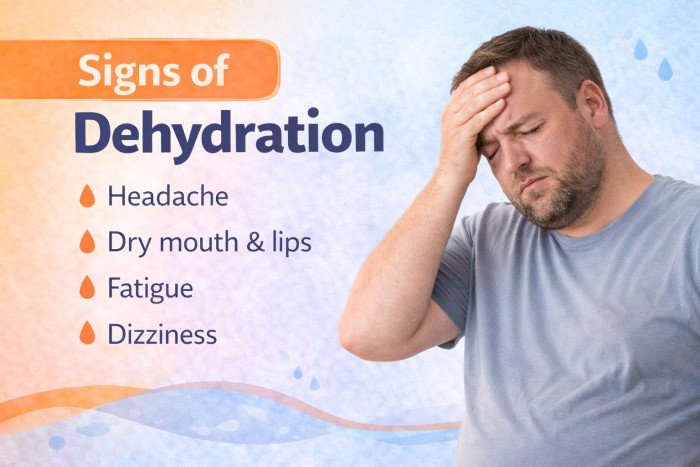
If you are not sure whether your symptoms are mild or more serious, start with our signs of dehydration guide before assuming this is something to manage casually at home.
How to rehydrate fast after heat exposure
If heat is the main reason you feel bad, do not start with chugging. Start by reducing the heat load on your body. Move to shade, air-conditioning, or a cool room first, loosen heavy clothing, and then begin drinking steadily.
- Get out of direct heat and sit or lie down
- Drink cool fluids in small steady amounts instead of all at once
- Use a fan, cool cloth, or air-conditioning if available
- Stop exercise or outdoor activity until symptoms ease
If heat also caused shakiness, nausea, cramping, or heavy sweating, electrolyte support may help more than water alone. If symptoms worsen, mental confusion appears, or you feel faint, do not treat that as a normal hydration issue.
How to rehydrate fast after a workout
Workout rehydration depends on how much you actually lost. A short indoor session is different from a long humid run, a bootcamp class, or outdoor sports in direct sun.
- Use water first for lighter sessions or modest sweat loss
- Add electrolytes when the session was long, hot, or especially sweaty
- Do not wait until hours later if you already feel depleted
- Eat something light if you also skipped food around training
If you want help deciding whether electrolytes are worth it, our electrolyte drinks guide explains when they are useful and when they are mostly unnecessary.
How to rehydrate after diarrhea or vomiting
This is where rehydration changes. When your body is losing fluids through diarrhea or vomiting, plain water can still help, but sodium and other electrolytes matter more. Drinking too much too fast can also make nausea worse.
- Start with very small sips rather than large drinks
- Use an electrolyte drink or oral rehydration approach if losses are ongoing
- Avoid forcing large meals right away
- Choose simple foods once you can tolerate them
If you cannot keep fluids down, urination becomes very low, or weakness is intensifying, home rehydration may not be enough.
What helps rehydration go faster
- Small steady intake: easier to tolerate than chugging
- Cooling down: especially important after heat or outdoor activity
- Some sodium when losses are high: useful after heavy sweating or illness
- Lighter food support: broth, yogurt, fruit, or easy meals when appetite allows
- Rest: continuing activity slows recovery
If you struggle to drink enough but do not feel severely ill, our page on water-rich foods for hydration can help you support recovery through meals and snacks as well.
When water is enough and when it is not
Water is often enough when dehydration is mild, short-lived, and not tied to major sodium losses. But it becomes less effective as a single solution when you have been sweating heavily for a long time or losing fluids from illness.
- Usually enough: mild heat exposure, ordinary day-to-day dehydration, short workouts
- Often not enough alone: repeated diarrhea, vomiting, heavy sweating, long outdoor sessions, obvious salt loss or cramping
That is why it helps to think in terms of fluid loss plus context, not just thirst.
Safety notes: mild versus urgent dehydration
This page is for ordinary rehydration scenarios, not emergencies. If someone has severe weakness, confusion, fainting, no urination, rapid decline, or cannot keep fluids down, do not keep trying to "fix it later." Get medical help.
- Confusion or disorientation
- Fainting or feeling close to passing out
- Very little or no urine
- Repeated vomiting that prevents fluids from staying down
- Symptoms getting worse in heat instead of better
If your concern started with summer heat overall, our summer wellness guide for women and summer water intake guide can help you prevent the same cycle from repeating.
A simple rehydration routine for mild cases
- Step 1: stop the heat, workout, or draining activity
- Step 2: move somewhere cool and sit down
- Step 3: drink fluids gradually instead of all at once
- Step 4: add electrolytes if sweat loss or illness has been significant
- Step 5: eat something light if tolerated and rest until symptoms settle
Bottom line
The fastest way to rehydrate is usually not "drink as much as possible." It is matching the right fluids to the reason you are dehydrated, cooling down if heat is involved, and using electrolytes when plain water is not enough. Mild cases often improve quickly, but stronger symptoms need more caution.
If you want the surrounding recovery context, pair this guide with signs of dehydration, electrolyte drinks, and our water intake calculator.
Frequently Asked Questions
What is the fastest way to rehydrate?
For mild dehydration, the fastest practical approach is to cool down, drink fluids steadily in small amounts, and rest. If the fluid loss came from sweat or illness, electrolytes may help more than water alone.
Is water enough to rehydrate quickly?
Water is often enough for mild dehydration from normal daily life or modest heat exposure. It is less helpful by itself when you have been sweating heavily or losing fluids through vomiting or diarrhea.
How long does it take to rehydrate?
Mild dehydration can improve within 30 to 60 minutes, while heavier sweat loss or illness may take several hours. Severe dehydration should not be managed as a home quick fix.
When should you go to the hospital for dehydration?
You should get urgent medical help if dehydration comes with confusion, fainting, very low urination, worsening weakness, or an inability to keep fluids down.