Feeling tired after lunch? Getting a headache that comes and goes? Struggling to concentrate by 3 pm? You might not need coffee. You might just be dehydrated.
Studies from the National Institutes of Health show that up to 75 percent of Americans are chronically mildly dehydrated. Mild dehydration — just 1 to 2 percent fluid loss — impairs focus, mood, and physical performance. Most people do not recognize the signs.
This guide walks you through every stage of dehydration from the earliest warning signals to emergency symptoms, plus how to rehydrate fast and prevent it from happening again. If your dehydration started with summer heat, workouts, or outdoor family time, pair this page with how to rehydrate fast, heat exhaustion vs heat stroke, and our kids hydration summer guide.
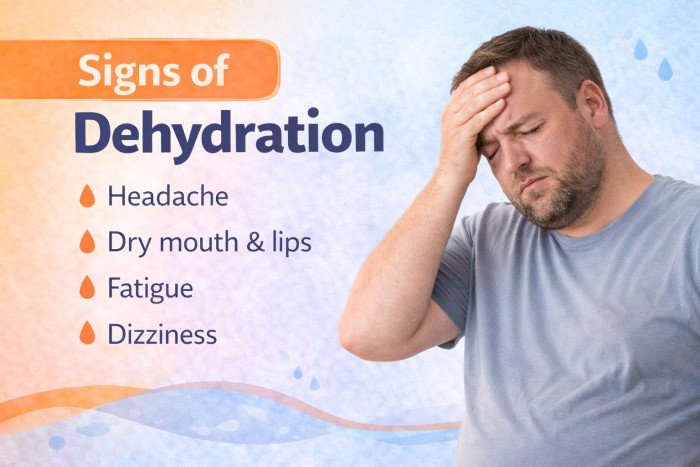
- Dark yellow urine (darker than pale straw)
- Dry mouth and lips
- Afternoon fatigue or brain fog
- Mild headache
- Feeling thirsty (already mildly dehydrated)
Not sure how much water you need? Use our Water Intake Calculator.
The 3 Levels of Dehydration
Dehydration is not binary. It exists on a spectrum from barely noticeable to life-threatening. Knowing which stage you are in determines the right response.
| Level | Fluid Loss | Key Symptoms | Action |
|---|---|---|---|
| Mild | 1–2% | Thirst, dry mouth, dark urine, fatigue, mild headache | Drink 500 ml water |
| Moderate | 3–5% | Dizziness, reduced urine, dry skin, rapid heart rate, confusion | Electrolyte drink + rest |
| Severe | 6%+ | No urine, extreme lethargy, sunken eyes, rapid breathing, seizures | Emergency medical care |
Mild Dehydration: The Most Common Stage
Mild dehydration affects most adults daily. You might be dealing with it right now without realizing. Here are the signs to watch for.
Physical Signs
- Thirst. By the time you feel thirsty, you are already 1 percent dehydrated.
- Dry mouth and lips. Your saliva production drops when fluid levels fall.
- Dark yellow urine. Healthy urine is pale straw yellow. Anything darker means drink more.
- Urinating less often. Normal is every 2 to 4 hours. Going over 4 hours without urinating signals mild dehydration.
- Dry or flaky skin. Pinch the skin on the back of your hand. If it does not bounce back quickly, you are likely dehydrated.
- Chapped or cracked lips. Low fluid levels reduce skin and lip moisture.
Mental and Cognitive Signs
- Fatigue. Especially common in the afternoon after skipped morning hydration.
- Brain fog. Difficulty focusing, reading, or making decisions.
- Mild headache. Typically a dull all-over pressure.
- Mood changes. Irritability or low mood without an obvious cause.
- Slower reaction time. Research shows 1 to 2 percent dehydration slows cognitive processing by 12 to 15 percent.
Performance Signs
- Reduced physical endurance
- Feeling weaker during workouts
- Muscle cramps, especially during exercise
- Slightly elevated heart rate at rest
Moderate Dehydration: Warning Stage
When fluid loss reaches 3 to 5 percent of body weight, symptoms become more pronounced and your body starts compensating harder. At this stage, plain water alone may not be enough; you likely need electrolyte support.
Signs of Moderate Dehydration
- Dizziness or lightheadedness, especially when standing up
- Severe dry mouth with a sticky feeling
- Amber or very dark urine, or not urinating for 6 or more hours
- Rapid heart rate (over 100 beats per minute at rest)
- Rapid, shallow breathing
- Reduced skin elasticity. Pinched skin takes 2 to 3 seconds to return to normal.
- Dry, sticky mucous membranes
- Muscle cramps
- Strong persistent headache
- Confusion or difficulty focusing
- Low blood pressure
At this stage, you should take action immediately. Drink 750 ml to 1 liter of water over the next hour, add an electrolyte source (sports drink, electrolyte packet, or 1/4 teaspoon salt plus 2 tablespoons lemon juice in water), and rest in a cool environment.
Severe Dehydration: Medical Emergency
Severe dehydration (6 percent or more fluid loss) is a medical emergency. It can lead to kidney failure, seizures, and death if untreated. Do not try to treat this at home.
Severe Dehydration Warning Signs
- No urine output for 8 or more hours (12+ hours in older adults)
- Dark brown or tea-colored urine when it does occur
- Extreme lethargy or inability to wake
- Confusion or disorientation
- Sunken eyes
- Very dry, shriveled skin
- Rapid heart rate (over 120 bpm at rest)
- Rapid breathing
- Fever
- Low blood pressure with fainting
- Seizures
- Inability to keep fluids down due to vomiting
Call emergency services or go to the ER. Severe dehydration requires IV fluid replacement. Oral rehydration may not be absorbed fast enough to prevent serious complications.
Urine Color Chart: The Quickest Check
Urine color is the single most reliable at-home indicator of hydration status. Check it every time you use the bathroom.
| Color | Status | What To Do |
|---|---|---|
| Clear | Over-hydrated | Reduce intake slightly; drinking too much dilutes electrolytes |
| Pale straw yellow | Optimal | Keep doing what you are doing |
| Light yellow | Adequate | Drink a glass of water |
| Medium yellow | Mildly dehydrated | Drink 500 ml water now |
| Dark yellow / amber | Moderately dehydrated | 500 ml water + electrolytes |
| Brown / tea | Severely dehydrated | Seek medical care |
| Pink / red | Possible blood | See a doctor |
Note: B vitamin supplements, beets, and some medications can darken urine without true dehydration. If color does not match how you feel, consider recent food and supplement intake.
Hidden Causes of Dehydration You Might Miss
Caffeine
Coffee, tea, and energy drinks are mild diuretics. Moderate coffee (2 to 3 cups) usually counts toward hydration, but heavy caffeine intake (over 500 mg daily) can offset water intake. If you drink 4 or more coffees a day, add extra water.
Alcohol
Alcohol is strongly dehydrating. Each alcoholic drink flushes roughly 100 ml more water than it provides. Match every alcoholic drink with a full glass of water to stay hydrated. For hangover relief, see our guide on electrolyte drinks.
High-Protein Diets
Processing protein requires extra water. Keto, carnivore, and high-protein weight-loss diets increase fluid needs by 500 ml to 1 liter per day.
Medications
Common dehydrating medications include diuretics (for blood pressure), laxatives, certain antidepressants, ADHD medications, some blood pressure drugs, and chemotherapy. If you take any of these, hydrate proactively.
Dry Air
Airplane cabins, heated indoor air in winter, and desert climates all accelerate fluid loss through breathing and skin. Add 500 ml to 1 liter daily when in these environments.
Illness
Fever, vomiting, diarrhea, and sweating during infections all flush fluid fast. Children and elderly are particularly vulnerable. Replace losses aggressively with oral rehydration solutions.
Exercise Intensity
You lose about 500 ml to 1 liter of water per hour of moderate exercise in cool conditions. In heat, fluid loss can exceed 2 liters per hour. Drink before, during, and after workouts.
Pregnancy and Breastfeeding
Fluid needs rise by 300 ml during pregnancy and 500 to 700 ml while breastfeeding. Dehydration signs can mimic common pregnancy symptoms (fatigue, headache), making them easy to miss.
Who Is Most at Risk?
- Infants and young children. High fluid loss through diarrhea, vomiting, or fever can dehydrate quickly. For detailed guidance on hydrating kids safely, see our guide on hydration packets for kids.
- Older adults (65+). Reduced thirst perception, kidney function changes, and medications raise risk.
- Pregnant and breastfeeding women. Elevated fluid needs.
- Athletes and outdoor workers. High sweat rates require constant replacement.
- People with chronic illness. Diabetes, kidney disease, cystic fibrosis all increase fluid loss or reduce efficiency.
- Travelers to hot climates or high altitudes. Unfamiliar environments accelerate fluid loss.
How to Rehydrate Fast
If you want a full step-by-step recovery plan for sweat loss, heat, diarrhea, or workout dehydration, read how to rehydrate fast. Use this page to identify severity first, then move to the recovery guide that matches your situation.
Mild Dehydration: 30 to 60 Minutes
- Drink 500 ml of cool water in small sips over 15 to 20 minutes.
- Eat a water-rich food: watermelon (92% water), cucumber (96%), orange (87%), or strawberries (91%).
- Continue sipping 250 ml more over the next 30 minutes.
- Check urine color within an hour. Should trend toward pale yellow.
Moderate Dehydration: 2 to 4 Hours
- Drink 750 ml to 1 liter of water over 2 hours in small sips.
- Add an electrolyte source: sports drink (diluted), electrolyte packet (Pedialyte or Liquid IV), or homemade mix (1 liter water + 1/2 tsp salt + 6 tsp sugar).
- Eat salty snacks: salted crackers, olives, pickles, broth.
- Rest in a cool environment. Avoid strenuous activity.
- Monitor urine color every 1 to 2 hours.
Severe Dehydration: Emergency Only
Do not attempt home treatment. Go to the emergency room or call emergency services. Treatment requires IV fluids, usually 1 to 2 liters over 1 to 2 hours, followed by monitored rehydration.
Prevention: Daily Hydration Habits That Actually Work
- Start with water. Drink 500 ml as soon as you wake up, before coffee.
- Set hourly reminders. One glass per hour keeps you consistently topped up.
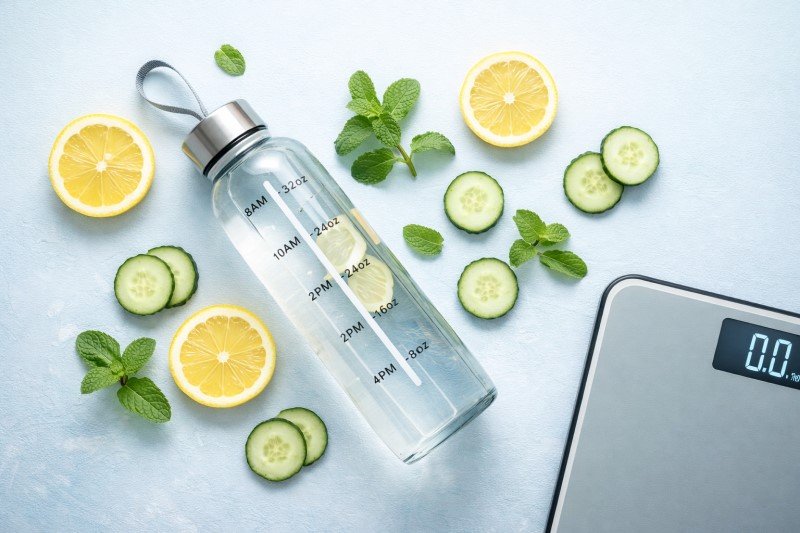
- Carry a marked water bottle. Visual reminders triple water intake.
- Pre-hydrate before exercise. 500 ml 30 minutes before workouts.
- Check urine daily. Your color reading at 10 am and 3 pm tells you everything.
- Eat water-rich foods. Fruits and vegetables contribute roughly 20 percent of daily fluid intake.
- Match alcohol and coffee with water. One for one when drinking either.
- Adjust for weather. Heat, humidity, and altitude increase needs.
For an exact daily water target based on your weight and activity, use our Water Intake Calculator or read our water intake by weight guide. For hot-weather planning specifically, add how much water to drink in summer to your reading list.
Dehydration Myths Busted
Myth 1: "Clear urine is the goal."
Actually, pale straw yellow is ideal. Completely clear urine suggests over-hydration and electrolyte dilution.
Myth 2: "You need 8 glasses of water a day."
The "8x8" rule has no scientific basis. Your actual need depends on body weight, activity, climate, and diet. A 50 kg person needs around 1.75 liters; a 90 kg person needs 3.15 liters.
Myth 3: "Coffee doesn't count."
Moderate coffee intake does count toward hydration. The mild diuretic effect is offset by the water content.
Myth 4: "You can drink too much water easily."
Water intoxication (hyponatremia) is rare and usually requires drinking over 1 liter per hour for several hours. Most people are in no danger of over-hydrating.
Myth 5: "Sports drinks are healthier than water for daily hydration."
For daily hydration without intense exercise, sports drinks add unnecessary calories and sugar. Water is superior unless you are losing significant electrolytes through sweat.
Frequently Asked Questions
What are the first signs of dehydration?
The first signs of dehydration are thirst, dry mouth, darker yellow urine, fatigue, mild headache, and reduced focus. These appear when you are already 1 to 2 percent dehydrated. By the time you feel thirsty, your body has started compensating. Most people feel these signs in the afternoon after insufficient morning water intake.
What does dehydration headache feel like?
A dehydration headache typically feels like a dull, all-over pressure rather than sharp pain. It often worsens with movement, standing up, or bending over. It usually improves within 30 to 60 minutes after drinking 500 ml of water. If the headache persists after rehydration or comes with fever, vision changes, or vomiting, seek medical care.
How long does it take to rehydrate?
Mild dehydration rehydrates in 30 to 60 minutes with 500 to 750 ml of water. Moderate dehydration takes 2 to 4 hours with electrolyte support. Severe dehydration requires medical IV fluids and can take 24 to 48 hours to fully recover. Drinking slowly in small sips is more effective than gulping large amounts at once.
What color urine means dehydration?
Urine darker than pale straw yellow indicates some level of dehydration. Pale straw means well-hydrated. Medium yellow means mildly dehydrated. Dark yellow or amber means moderately dehydrated. Brown or tea-colored urine is severe dehydration and requires medical attention. Certain vitamins (especially B vitamins) and medications can temporarily darken urine without true dehydration.
Why am I always thirsty and dehydrated?
Constant thirst despite drinking water can signal excessive sweating, high caffeine or alcohol intake, high sodium intake, diabetes (both type 1 and type 2), diabetes insipidus, medications like diuretics, or anemia. If you drink over 3 liters of water daily and still feel thirsty, consult a doctor to rule out underlying conditions.
How to rehydrate fast after workout?
Drink 500 ml of cool water immediately after your workout. If you sweated heavily or exercised over 60 minutes, add an electrolyte drink with 300 to 500 mg sodium. Eat water-rich foods like watermelon, cucumber, or orange. Continue sipping water over the next 2 hours. Check urine color the next time you use the bathroom to confirm rehydration.
When should I go to the hospital for dehydration?
Seek emergency care if you experience confusion, extreme lethargy, no urination for 12 hours, rapid heart rate over 120, fainting, seizures, sunken eyes, severe dizziness, or inability to keep fluids down due to vomiting. Infants and elderly adults are at highest risk and should be evaluated sooner. Severe dehydration requires IV fluid replacement.
Can dehydration cause anxiety?
Yes. Dehydration can increase cortisol levels, cause heart palpitations, and reduce serotonin production, all of which can trigger or worsen anxiety symptoms. Studies show even mild dehydration (1 to 2 percent fluid loss) increases feelings of tension, anxiety, and fatigue. If you experience anxiety, check your hydration status before reaching for other solutions.