
Your 7-year-old begs for a Liquid IV packet because they saw it on TikTok. Your teen grabs Prime after every soccer practice. The question every parent eventually asks: are hydration packets actually safe for kids?
Short answer: some are, some are not, and most children do not need them. This guide walks you through exactly when electrolyte drinks help children, which brands are appropriate by age, which to avoid, and how to spot real dehydration versus thirst.
Most adult hydration packets (Liquid IV, LMNT) have too much sodium for young children. For kids under 4 or during illness, use Pedialyte. For healthy older kids, plain water with a balanced diet is usually enough.
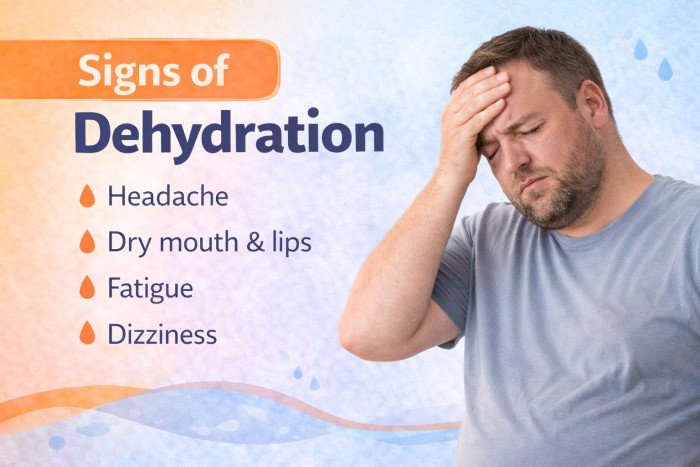
Worried your child is dehydrated? Read our full guide on signs of dehydration.
Why Kids and Adults Have Different Electrolyte Needs
Children are not small adults. Their kidneys, hearts, and overall fluid balance work differently. Key differences that affect electrolyte drink safety:
- Lower sodium tolerance. A child's daily sodium limit is 1,200 to 1,800 mg depending on age, compared to 2,300 mg for adults.
- Smaller body size. A 50 lb child processing the same 500 mg sodium packet as a 150 lb adult receives three times the dose per pound of body weight.
- Developing kidneys. Kidney function matures gradually through the teenage years.
- Faster dehydration risk. Children lose fluid faster during illness and heat but also rehydrate faster with plain water or diluted juice.
- Taste conditioning. Sweet, flavored hydration packets can make kids prefer them over plain water, hurting long-term habits.
Daily Sodium Limits for Children by Age
Sodium is the most important factor when evaluating electrolyte products for kids. These limits come from the American Academy of Pediatrics and the Dietary Guidelines for Americans.
| Age Group | Daily Sodium Limit | One Liquid IV Packet Equals | One LMNT Stick Equals |
|---|---|---|---|
| 1 to 3 years | 1,200 mg | 42% of daily limit | 83% of daily limit |
| 4 to 8 years | 1,500 mg | 33% of daily limit | 67% of daily limit |
| 9 to 13 years | 1,800 mg | 28% of daily limit | 56% of daily limit |
| 14+ years | 2,300 mg | 22% of daily limit | 43% of daily limit |
Keep in mind: your child likely already gets 50 to 80 percent of their daily sodium from processed foods — bread, cheese, pizza, snacks, cereal. Adding a full adult electrolyte packet on top can push them over the limit.
Brand-by-Brand Safety Guide for Kids
Pedialyte (Ages 1+) — Recommended
Formulated specifically for pediatric rehydration. Contains 370 mg sodium, 280 mg potassium, 6 g sugar, and 25 calories per serving. Recommended by the American Academy of Pediatrics during vomiting, diarrhea, and fever. Available for infants (discuss with pediatrician first) through teens. Use as directed on the label.
Liquid IV (Ages 8+, with caution)
Designed for adults. 500 mg sodium and 11 g sugar per packet. For children over 8 doing sports or recovering from mild illness, a half packet diluted in 500 ml water is occasionally acceptable. Not for daily use. Avoid for kids under 8.
LMNT (Not Recommended Under 14)
1,000 mg sodium per stick is too high for children. Designed for adult keto dieters and heavy sweaters. Save for adults only.
Nuun Sport (Ages 8+, acceptable)
300 mg sodium, 150 mg potassium, 1 g sugar. One of the better options for youth athletes after intense sports. Use half a tablet for kids under 12.
Prime Hydration Drink (Ages 8+, occasional)
Low sodium but 700 mg potassium is high. Only the non-caffeinated Prime Hydration is appropriate; never give Prime Energy to children. American Academy of Pediatrics does not recommend sports drinks for daily kid use.
Gatorade and Powerade (Ages 8+, with caution)
High sugar content (21 g per serving) makes these a poor choice for daily hydration. Acceptable after intense sports over 60 minutes in hot weather. Dilute with water to reduce sugar load.
Cure Hydration (Ages 8+, acceptable)
Plant-based, coconut water derived, 240 mg sodium. One of the cleaner options for older kids. Adult portion size; give half to kids under 12.
Coconut Water (All ages, recommended)
Natural potassium source with moderate sodium. A good everyday alternative to flavored packets. Look for unsweetened varieties. Roughly 600 mg potassium and 250 mg sodium per cup.
What to Avoid
- Prime Energy (contains 200 mg caffeine — dangerous for kids under 14)
- Red Bull, Monster, Bang and other energy drinks
- High-sodium adult-targeted sticks like LMNT, Hydrant (adult size), and Beam
- Packets with aspartame or sucralose if your child is sensitive
When Kids Actually Need Electrolytes
Most healthy children do not need electrolyte drinks. Water plus their regular diet covers their needs. Electrolytes become helpful in specific scenarios.
1. Vomiting and Diarrhea
This is the primary medical use case. Vomiting and diarrhea flush sodium and potassium rapidly. Pediatrician-recommended oral rehydration solutions (ORS) like Pedialyte are designed for this. Adult electrolyte packets have the wrong ratios and too much sugar.
2. Intense Sports Over 60 Minutes
Soccer, basketball, swimming, football practice, or tournament play lasting more than an hour in warm conditions justifies an electrolyte drink. A diluted sports drink or half-strength electrolyte packet works for kids over 8.
3. Hot-Weather Play
Summer camp, beach days, hiking in heat — children can dehydrate faster than adults. Pre-hydrate with water, then add light electrolyte support after 60 minutes outdoors.
4. Fever or Illness Recovery
Fever increases fluid loss. If your child is sick and refusing plain water, a flavored pediatric electrolyte drink can encourage fluid intake.
5. After a Long Travel Day
Dry cabin air on flights dehydrates children too. A small serving of an age-appropriate electrolyte drink can help, but plain water usually does the job.
When Kids Do NOT Need Electrolytes
- During normal school days with plain water access
- Home play, TV time, or screen time
- Light walks, bike rides under 30 minutes
- Daily hydration top-ups (water is enough)
- Swimming lessons under 60 minutes
- Cool-weather outdoor play
Offering an electrolyte drink as a daily habit risks excess sodium, sugar dependence, and preference for flavored drinks over plain water. For age-appropriate daily hydration advice, read our guide on how much water to drink by weight.
Signs of Dehydration in Children
Recognizing dehydration early prevents medical emergencies. Watch for these signs by age group.
Infants and Toddlers (Under 2)
- Fewer than 6 wet diapers in 24 hours
- Dry mouth and tongue
- No tears when crying
- Sunken soft spot on the head (fontanelle)
- Sunken eyes
- Unusual lethargy or irritability
- Cool, mottled hands and feet
Preschool to School-Age (3 to 12)
- Dark yellow or strong-smelling urine
- Urinating less than 4 times per day
- Complaints of thirst (already mildly dehydrated at this point)
- Dry lips and mouth
- Headache or tired feeling
- Dizziness when standing up
- Flushed skin
When to Call a Doctor
Seek immediate medical attention if you notice any of the following:
- Severe lethargy or unresponsiveness
- Rapid breathing or heart rate
- No urination for 8 hours (infant) or 12 hours (older child)
- Persistent vomiting preventing fluid intake
- Blood in vomit or diarrhea
- High fever that does not respond to medication
- Seizures
Homemade Oral Rehydration Solution (WHO Recipe)
The World Health Organization ORS recipe has saved millions of children from diarrhea-related dehydration worldwide. It is also cheaper and gentler than most commercial packets.
Standard WHO Recipe
- 1 liter (4 cups) clean or boiled water, cooled
- 6 level teaspoons sugar
- 1/2 level teaspoon salt
Mix until fully dissolved. Give small sips frequently (1 to 2 tablespoons every 1 to 2 minutes for a sick child). Do not use in place of medical care for severe dehydration; seek medical help.
Flavor-Boosted Home Recipe (For Older Kids)
- 500 ml water
- 1 pinch sea salt
- 2 tablespoons fresh lemon or orange juice
- 1 tablespoon honey (only for children over 1 year of age)
Kids often prefer this over commercial options. And it costs pennies.
Teaching Kids Good Hydration Habits
The long-term goal is not getting your child to drink packet water. It is building a lifelong preference for plain water and normal hydration habits.
- Model it. Kids drink water when they see parents drinking water.
- Give them a water bottle they like. A favorite color, character, or reusable bottle they own increases water consumption.
- Set pour times. Before every meal, after waking up, after outdoor play.
- Flavor it naturally. Add slices of lemon, cucumber, strawberries, or mint. Avoid sweet mixes.
- Limit juice and soda. The American Academy of Pediatrics recommends no more than 4 oz of 100 percent fruit juice per day for young children.
- Track with a chart. Gamify daily water goals with stickers or a small reward for meeting targets for a week.
For more evidence-based parenting tips, read our top 5 nutrition tips for parents.
Frequently Asked Questions
Can kids drink Liquid IV?
Liquid IV is marketed for adults. One packet contains 500 mg sodium, which is appropriate for an adult but high for children. Kids aged 4 to 8 have a daily sodium limit of 1,500 mg, and kids aged 9 to 13 have a limit of 1,800 mg. For children over 4, half a packet diluted in a full bottle of water is occasionally safe during sports or illness. For children under 4, use Pedialyte or plain water instead.
Are LMNT packets safe for kids?
LMNT contains 1,000 mg sodium per stick, which is more than half the daily sodium limit for children aged 4 to 8. LMNT is not recommended for children. For kids who need electrolytes, use Pedialyte, diluted coconut water, or a pediatric-formulated product.
When do kids actually need electrolyte drinks?
Children need electrolytes during illness with vomiting or diarrhea, after intense sports exceeding 60 minutes, during hot-weather activities with heavy sweating, or when refusing to drink plain water during illness. For daily hydration, plain water and a balanced diet are sufficient. The American Academy of Pediatrics recommends plain water as the primary drink for healthy children.
What is the best hydration drink for kids?
Pedialyte is the gold standard for pediatric rehydration and has lower sodium and sugar than adult electrolyte drinks. It is recommended by the American Academy of Pediatrics. For mild dehydration, diluted 100 percent fruit juice (1 part juice to 3 parts water), coconut water, or homemade oral rehydration solution are safe alternatives. Avoid Prime, Gatorade, and energy drinks for young children.
How much sodium can a child have per day?
Daily sodium limits for children are: 1,200 mg for ages 1 to 3, 1,500 mg for ages 4 to 8, 1,800 mg for ages 9 to 13, and 2,300 mg for ages 14 and up. Most American children already exceed these limits from processed foods, so adding a high-sodium electrolyte packet can push intake into unhealthy territory.
Is Prime hydration safe for kids?
Prime Hydration (the drink) contains low sodium but has caffeine concerns with the Prime Energy variant. Prime Hydration without caffeine is acceptable in moderation for children over 8, but the high potassium content (700 mg) is excessive for young kids. The American Academy of Pediatrics advises against sports drinks for children outside of intense athletic activity.
How do I make homemade electrolyte drink for my child?
Mix 1 liter of clean water with 6 teaspoons of sugar and half a teaspoon of salt. This is the WHO oral rehydration solution recipe. Add lemon juice for flavor. For a simpler home mix for mild cases, use 500 ml water, 1 pinch salt, 1 tablespoon honey (only for children over 1 year), and 2 tablespoons lemon juice. Give small sips frequently rather than large amounts at once.
Signs of dehydration in kids to watch for?
Signs of dehydration in children include dry mouth and lips, no tears when crying, fewer wet diapers (less than 6 per day in infants), sunken soft spot on an infant's head, lethargy or irritability, dark yellow urine, dizziness, and rapid breathing. Severe dehydration requires immediate medical attention.