You have been eating right, exercising regularly, and tracking everything down to the last calorie -- yet the scale refuses to budge. If this sounds familiar, know that you are far from alone. Weight loss plateaus are one of the most frustrating experiences women face on their health journey, and they happen to nearly everyone at some point. The good news is that understanding why it happens is the first step toward fixing it and getting your progress moving again.
Before diving into the reasons behind a stall, take a moment to recalculate your numbers with our BMR calculator -- your metabolism may have shifted since you last checked. A calorie target that worked three months ago might no longer create the deficit you think it does. Once you have fresh numbers, the strategies in this article will make far more sense.
Reason 1 -- Metabolic Adaptation
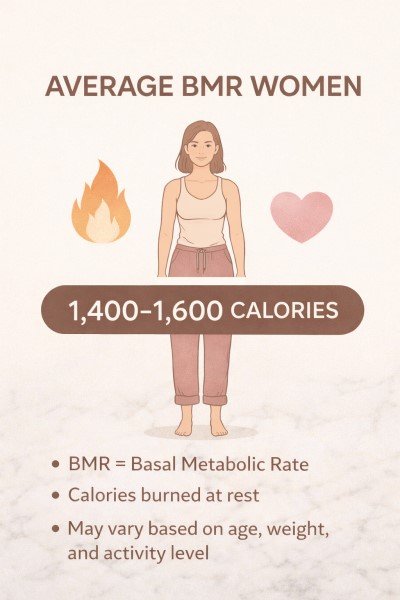
Your body is remarkably intelligent. When it detects that fewer calories are coming in, it responds by lowering your Basal Metabolic Rate (BMR) to conserve energy. This survival mechanism, known as adaptive thermogenesis, helped our ancestors survive famines -- but today it works against women trying to lose weight.
Research shows that adaptive thermogenesis can reduce your BMR by 10 to 15 percent beyond what weight loss alone explains. That means if your BMR should have dropped by 80 calories based on the weight you have lost, it may have actually dropped by 150 to 200 calories. The more aggressive your calorie deficit, the stronger this adaptation becomes. Your body essentially learns to run on less fuel, making it harder and harder to create the gap between calories in and calories out.
This is one of the biggest reasons why crash diets fail in the long run. A moderate, sustainable deficit preserves more of your metabolic rate than a severe one. To understand how BMR and total calorie burn relate, read our guide on BMR vs TDEE explained.
Reason 2 -- You're Eating More Than You Think
This is not a judgement -- it is a well-documented scientific finding. Studies consistently show that people underestimate their calorie intake by 30 to 50 percent, even when they believe they are tracking accurately. It is simply very difficult to eyeball portions correctly, and small errors add up quickly over the course of a week.
The most common culprits include:
- Cooking oils and butter: A single tablespoon of olive oil adds 120 calories, and most people pour rather than measure
- Dressings and sauces: Salad dressings, ketchup, mayo, and dipping sauces can easily add 200 to 300 untracked calories per day
- "Healthy" snacks: Nuts, granola bars, avocado, and dried fruit are nutrient-dense but also calorie-dense
- Portion creep: Over time, your idea of a "serving" gradually increases without you noticing
- Weekends and social events: Two days of relaxed eating can erase five days of deficit
- Liquid calories: Lattes, smoothies, fruit juice, and flavoured waters add up surprisingly fast -- a large latte can pack 300 calories
Solution: Weigh your food with a kitchen scale for just one week. You do not need to do this forever -- the goal is to recalibrate your eye so that your estimates become more accurate going forward.
Reason 3 -- NEAT Has Dropped
NEAT stands for Non-Exercise Activity Thermogenesis -- the calories you burn through everyday movements like fidgeting, walking around the house, standing, gesturing while talking, and doing household chores. It does not include structured exercise, but it can account for a surprisingly large portion of your daily calorie burn.
Here is the problem: when you are in a calorie deficit, your body unconsciously reduces NEAT to conserve energy. You sit more, fidget less, take fewer steps, and generally move less throughout the day without even realising it. This subconscious reduction in movement can account for 200 to 500 fewer calories burned per day -- enough to completely eliminate your planned deficit.
Solution: Aim for 7,000 to 10,000 steps daily regardless of whether you do a formal workout. Walking is one of the most underrated fat loss tools because it burns calories without increasing appetite or stress hormones the way intense exercise can. Track your steps with a phone or wearable device to stay accountable and notice any downward trends early.
Reason 4 -- Stress and Cortisol
Chronic stress is one of the most overlooked barriers to weight loss, and it affects women disproportionately. When you are stressed, your body produces elevated levels of cortisol, a hormone that served a purpose in our evolutionary past but now wreaks havoc on modern weight loss efforts.
Here is what cortisol does to your body composition:
- Promotes belly fat storage: Cortisol specifically encourages fat accumulation around the midsection, which is the most metabolically dangerous place to carry excess weight
- Increases water retention: High cortisol causes your body to hold onto extra water, which can mask genuine fat loss on the scale
- Disrupts sleep: Poor sleep further raises cortisol, creating a vicious cycle that worsens metabolism
- Triggers cravings: Cortisol drives cravings for high-calorie, high-sugar comfort foods, making adherence to your calorie target much harder
Tips for managing stress: Daily walking in nature, deep breathing exercises, limiting news and social media consumption, supplementing with magnesium before bed, and making time for activities you genuinely enjoy. According to the Mayo Clinic, chronic stress can have serious health consequences beyond weight gain, making stress management essential for overall wellness.
Reason 5 -- Hormonal Fluctuations
Women's hormones create unique challenges that men simply do not face when it comes to weight loss. The menstrual cycle causes water weight fluctuations of 2 to 5 pounds throughout the month, which can completely obscure genuine fat loss on the scale. Many women experience their heaviest weight in the days leading up to and during their period, even if they have been in a perfect deficit all month.
Beyond the monthly cycle, other hormonal factors can slow or stall weight loss:
- Perimenopause and menopause: Shifting oestrogen levels change where your body preferentially stores fat, often moving it toward the midsection
- Thyroid issues: Hypothyroidism is far more common in women than men and can significantly lower BMR, making weight loss feel impossible even with a well-calculated deficit
- Polycystic ovary syndrome (PCOS): Affects insulin sensitivity and can make fat loss substantially harder
Tip: Instead of comparing your weight day to day, compare it at the same point in your cycle month over month. This gives you a much clearer picture of your actual fat loss trend and eliminates the noise caused by hormonal water retention.
Reason 6 -- Water Retention Is Masking Progress
This is perhaps the most encouraging reason on this list, because it means you may actually be losing fat even though the scale says otherwise. Several common situations cause temporary water retention that hides real progress:
- New exercise routines: When you start a new workout programme or increase intensity, your muscles experience micro-tears and inflammation. Your body retains extra water to repair this damage, which can add several pounds to the scale temporarily
- High sodium meals: A single high-salt meal can cause 2 to 4 pounds of water retention that takes several days to resolve
- Hormonal shifts: As discussed above, your cycle plays a major role in water balance
- Increased carbohydrate intake: Each gram of stored glycogen holds about 3 grams of water, so eating more carbs than usual temporarily increases water weight
Solution: Do not rely on the scale alone. Measure your waist, hips, and thighs weekly and pay attention to how your clothes fit. These non-scale indicators are often far more reliable for tracking fat loss. Also make sure you are drinking enough water -- proper hydration actually helps reduce water retention. Check your needs with our water intake calculator.
How to Break Through a Plateau
If you have identified with one or more of the reasons above, here are the concrete steps you can take to restart your progress:
- Recalculate your BMR and TDEE: Your numbers change as your weight changes. Use our calculator to get updated figures and adjust your calorie target accordingly
- Take a diet break: Eat at maintenance calories for one to two weeks. This can help reverse metabolic adaptation, restore hormone levels, and give you a mental reset before resuming your deficit
- Increase daily steps to 8,000 to 10,000: This restores the NEAT that your body has been quietly reducing and burns extra calories without adding recovery stress
- Add or increase strength training: Muscle tissue burns more calories at rest than fat tissue, so building muscle directly increases your BMR over time. Read our guide on how to increase your BMR
- Prioritise sleep: Aim for 7 to 9 hours per night. Poor sleep raises cortisol, increases hunger hormones, and impairs your body's ability to burn fat efficiently
- Manage stress actively: Incorporate stress-reduction practices into your daily routine, whether that is walking, meditation, journalling, or simply setting boundaries around work and technology
- Re-evaluate tracking accuracy: Spend one week weighing and measuring food to ensure your calorie counts are correct. Small errors compound over time
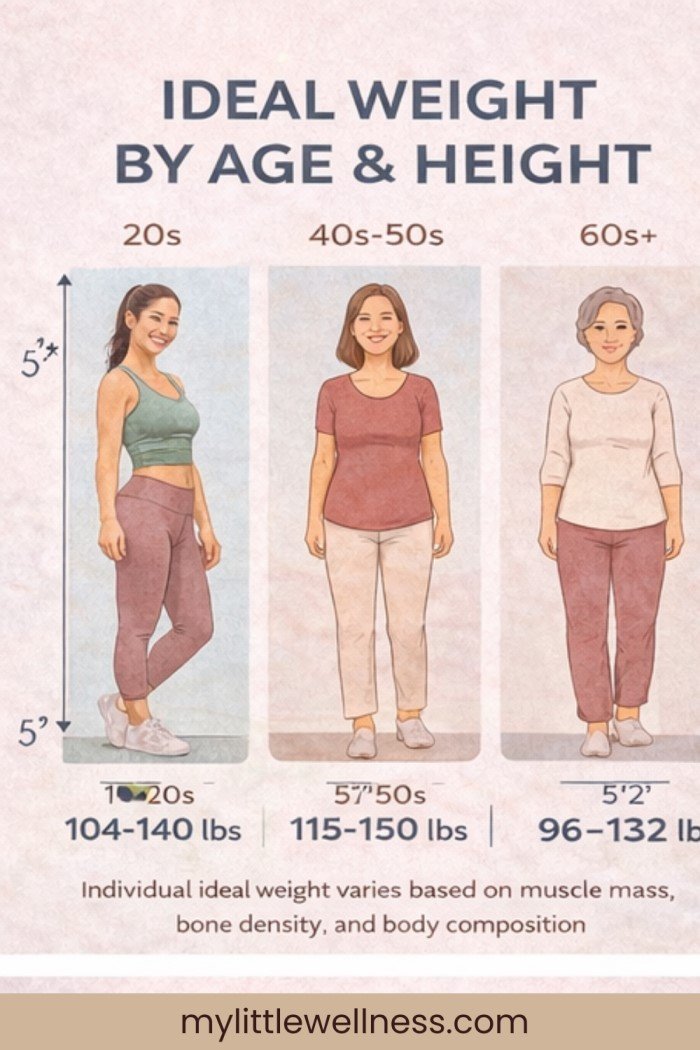
Also check where you stand with our BMI calculator and ideal weight calculator to make sure your expectations are aligned with what is realistic and healthy for your body.
When to See a Doctor
While most plateaus resolve with the strategies above, there are situations where a medical evaluation is warranted. Consider seeing your doctor if you experience:
- A plateau lasting 8 or more weeks despite perfect tracking and consistent adherence to your plan
- Persistent fatigue, hair loss, or feeling cold constantly -- these can be signs of thyroid dysfunction or severe metabolic adaptation
- Irregular or missing periods -- this may indicate that your calorie deficit is too aggressive or that an underlying hormonal condition needs attention
- Unexplained weight gain despite maintaining a verified calorie deficit
These symptoms could signal thyroid issues, hormonal imbalances, or other medical conditions that require professional diagnosis and treatment. Do not ignore persistent symptoms -- early intervention leads to better outcomes.
Disclaimer: This article is for informational purposes only and does not constitute medical advice. If you suspect a medical condition is affecting your weight, please consult a healthcare professional.
Frequently Asked Questions
Why am I not losing weight even though I'm eating less?
Several factors can cause this: your metabolism may have adapted to lower calories, you might be underestimating your food intake, stress and poor sleep raise cortisol which promotes fat storage, water retention can mask fat loss, or your calorie deficit may be too aggressive causing metabolic slowdown.
How long do weight loss plateaus last?
Most plateaus last two to four weeks. If yours lasts longer than six weeks with no change, it is time to reassess your calories, activity level, and stress. Sometimes a brief diet break at maintenance calories can help reset your metabolism.
Should I eat less to break a plateau?
Usually no. Eating even less can worsen metabolic adaptation. Instead, try a short diet break at maintenance calories for one to two weeks, increase your daily movement through walking, add strength training, improve sleep, or manage stress.
Does stress cause weight loss to stall?
Yes. Chronic stress raises cortisol, which promotes fat storage especially around the midsection, increases water retention, disrupts sleep, and triggers cravings. Managing stress through exercise, mindfulness, and adequate rest can help restart weight loss.
How do I know if my metabolism has adapted?
Signs include persistent fatigue, feeling cold frequently, loss of menstrual regularity, increased hunger despite eating the same calories, and weight loss stopping despite maintaining the same deficit. A diet break or reverse dieting can help restore metabolic function.