Search interest around walking pads keeps rising because they solve a very modern problem: people want to move more, but they do not want a complicated workout plan. If you work from home, sit for long hours, or struggle to hit your steps, a walking pad can make healthy movement easier to repeat every day.
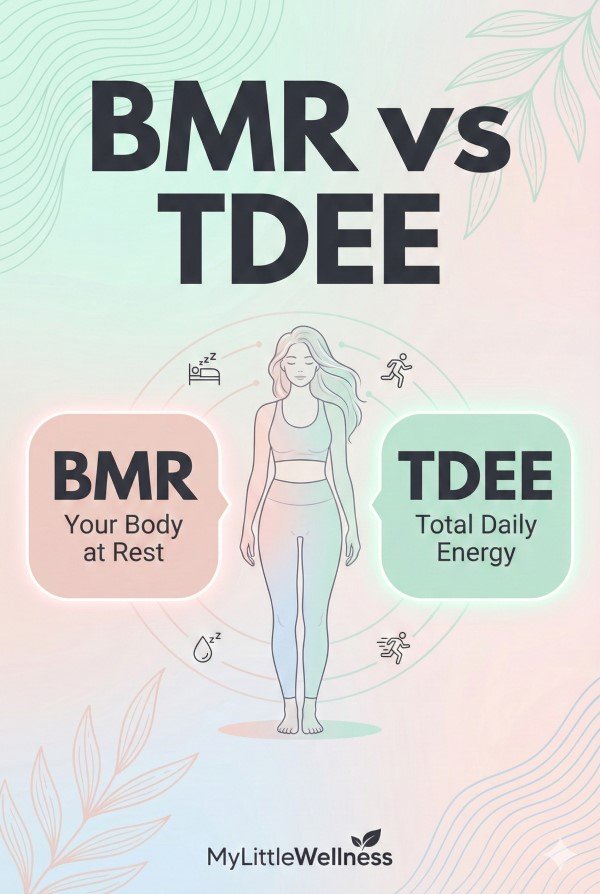
The biggest benefit is not that a walking pad is magical. It is that it helps you increase NEAT, or non-exercise activity thermogenesis. That means more calories burned through normal daily movement. If you want to know your baseline burn first, check our TDEE calculator and then use this article to build a realistic step plan around it.
Why walking pads are trending
Walking pads fit into real life better than many fitness trends. They are quiet, compact, and low-pressure. You can use one while replying to emails, watching a show, or listening to a podcast. For busy women, mothers, and beginners, that convenience is what turns a good idea into a habit.
- Low impact: easier on joints than running or jumping workouts
- Beginner friendly: no steep learning curve and no gym intimidation
- Easy to repeat: short sessions still count
- Supports fat loss: adds daily calorie burn without draining recovery
- Improves energy: light walking can reduce stiffness and afternoon slumps
Can a walking pad actually help with weight loss?
Yes, but the effect comes from consistency rather than speed. A walking pad helps you accumulate more steps, and that can create a meaningful calorie gap over time. For many women, adding 3,000 to 5,000 extra steps a day is more sustainable than doing hard cardio six days a week.
Walking also tends to be appetite-friendly. Intense training can leave some people exhausted, hungry, and more likely to overeat later. Light-to-moderate walking usually does not create the same rebound. That makes it easier to stay aligned with a modest calorie deficit from our calorie calculator.
How many calories does a walking pad burn?
The exact number depends on your body weight, speed, and session length. As a rough guide:
- 20 minutes of easy walking can burn around 60 to 100 calories
- 30 minutes of brisk walking can burn around 100 to 180 calories
- 45 minutes can burn around 150 to 250 calories
That may not sound dramatic, but repeated daily it adds up. Burn an extra 150 calories a day and you create over 1,000 calories of extra weekly output without a punishing workout. Combined with better protein intake and sleep, that is where real results begin.
A simple walking pad plan for beginners
If you are just starting, keep it boring and manageable. The goal is to make walking automatic.
Week 1
- 10 minutes after lunch
- 10 minutes after dinner
- Easy pace where you can still talk
Week 2
- 15 minutes after lunch
- 15 minutes after dinner
- Add one extra five-minute walk during a work break
Week 3 and beyond
- Aim for 30 to 45 total minutes most days
- Build toward 7,000 to 10,000 steps daily
- Pair with two or three short strength sessions weekly
If you need a home routine alongside your steps, our spring fitness plan for beginners is a good companion piece.
Best ways to use a walking pad without burning out
- Walk after meals: supports blood sugar control and digestion
- Use it during calls: meetings become movement time
- Stack it with habits: one podcast episode equals one walking session
- Keep shoes nearby: reduce friction so starting feels easy
- Do not chase perfection: two short walks still beat none
Mistakes that reduce walking pad results
- Doing too much too soon: sore feet and calves can kill consistency
- Ignoring strength training: walking is great, but muscle helps metabolism
- Eating back every calorie: treat walking as a support tool, not a free pass
- Staying up late: poor sleep can increase cravings and reduce recovery
- Using one huge session only: shorter repeatable sessions often work better
Walking pad vs treadmill
A treadmill is better if you want incline options, running, or harder training. A walking pad is better if your main goal is simply moving more every day. For many women, the most effective tool is the one that gets used consistently, not the one with the most features.
What to eat if you are using a walking pad for fat loss
Keep the nutrition side simple. Prioritize protein, water, and regular meals you can repeat. Our macros calculator helps you set protein, carbs, and fat more accurately. If you are struggling with plateaus, read why weight loss stalls in a calorie deficit.
Frequently Asked Questions
Can I use a walking pad every day?
Yes. For most healthy adults, low-intensity walking is safe to do daily. Just build volume gradually if you are currently inactive or have foot, ankle, knee, or back pain.
Is 30 minutes on a walking pad enough?
Yes. Thirty minutes is enough to improve daily movement and support calorie burn. It is even better if it helps you become less sedentary for the rest of the day.
Will a walking pad tone my legs?
It can improve endurance and help reduce body fat, which may make your legs look leaner. For more visible shaping, combine walking with strength exercises like squats, glute bridges, and lunges.
What speed should I use on a walking pad?
Use a pace that feels sustainable. For most people, 2 to 3 mph works for easy movement and 3 to 4 mph works for brisk walking. The right speed is the one you can repeat consistently.