Hot weather workouts change hydration fast. A walk that feels easy in spring can turn into a sweaty, draining session in summer. That is why more people start looking for electrolyte help as soon as outdoor runs, gym commutes, tennis, hiking, and long walks move into warmer weather.
The best electrolyte for hot weather workouts is not always the strongest one. It depends on how long you train, how much you sweat, whether you eat before or after, and whether you are trying to avoid extra sugar. If you need your full summer baseline first, use our water intake calculator and read how much water to drink in summer.
For hot weather workouts, look for roughly 300 to 700 mg sodium per serving, moderate potassium, and low sugar unless your session is long or intense. More sodium is not automatically better for everyone.
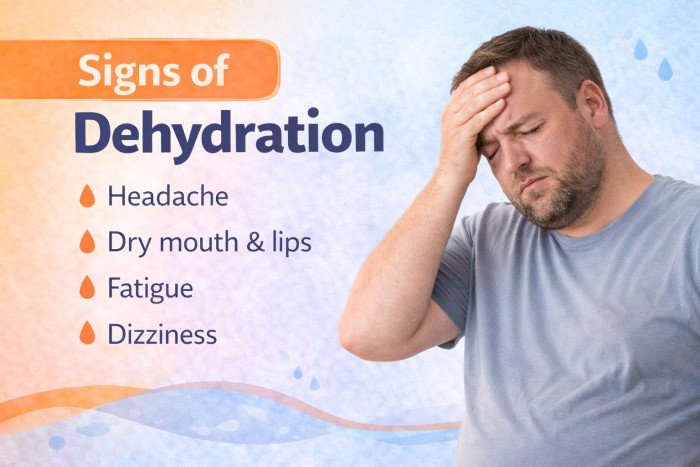
If you already feel drained, dizzy, or crampy after training, pair this guide with how to rehydrate fast.
When hot weather workouts actually justify electrolytes
- Long outdoor sessions: usually 60 minutes or more in heat
- Heavy sweaters: clothes, hat, or shoes get soaked fast
- Double sessions: training twice in one day
- Hot gyms or no AC spaces: sweat loss climbs quickly indoors too
- Morning fasted training: when you have not eaten much sodium yet
- Travel workouts: flights, heat, and routine changes can all stack up
For short walks, easy lifting sessions, or moderate indoor workouts, plain water is often enough. If the main issue is not performance but heat symptoms, review heat exhaustion vs heat stroke before you assume a packet alone will solve it.
What matters most on the label
1. Sodium
Sodium is usually the main reason an electrolyte product helps. In summer workouts, the sweet spot for many adults is roughly 300 to 700 mg per serving. That is enough to support sweat loss without turning every session into a very high-sodium event.
2. Sugar
Some sugar can help absorption, especially during longer efforts. But many people doing short workouts in heat do not need a high-sugar drink every day. Think about workout length before you pay extra for a performance formula.
3. Potassium and magnesium
These can be useful additions, but they are usually not the main deciding factor for a workout drink. Sodium and overall fluid timing matter more in most ordinary summer training situations.
Best fit by workout type
Best for heavy sweaters and low-sugar preference
LMNT-style higher sodium formulas work best for people who sweat heavily, train longer, or intentionally avoid sugar. They are not a casual everyday drink for everyone, especially if your diet already runs salty.
Best for balanced summer sessions
Liquid IV, Hydrant, or Cure-style midrange options make more sense when you want a middle ground: useful sodium, decent flavor, and enough carbohydrate support to feel easier during or after longer training.
Best for lighter workouts or daily flexibility
Nuun or lighter tablets are often enough for modest sweating, shorter sessions, or people who want something less intense and lower in sugar.
Best for real illness or stomach-loss situations
Pedialyte or oral rehydration style products make more sense when vomiting, diarrhea, or clear dehydration is part of the picture. That is different from ordinary workout hydration. For that scenario, go to how to rehydrate fast.
A simple buying framework
| Your situation | What to look for | Good fit |
|---|---|---|
| Short workout, light sweat | Water or lighter electrolyte | Nuun-style tablet or plain water |
| 60 to 90 minute summer workout | 300 to 700 mg sodium, moderate sugar | Liquid IV, Hydrant, Cure-style options |
| Heavy sweater, salty skin, low-carb approach | Higher sodium, low sugar | LMNT-style formula |
| Post-workout recovery after major heat | Fluids plus sodium and rest | Electrolyte drink plus cooling down |
| Illness, vomiting, diarrhea | Oral rehydration style support | Pedialyte-style option |
Common mistakes with summer workout electrolytes
- Using the saltiest formula just because it is popular online
- Ignoring your full daily sodium intake
- Drinking electrolytes but under-drinking plain water
- Using workout packets to treat clear heat illness symptoms that need cooling and rest
- Buying children the same products adults use without checking sodium levels first
If you are also managing family summer hydration, keep kids hydration summer guide and hydration packets for kids safety guidance separate from adult workout advice.
Should women use different electrolyte strategies in summer?
Sometimes, yes. Smaller body size, breastfeeding, appetite changes in heat, and trying to avoid sugar-heavy drinks can all change what feels sustainable. That is why many women do better with a simple layered approach: enough plain water across the day, a lighter electrolyte for moderate sessions, and stronger support only when sweat loss is clearly high. Our summer hydration guide for women goes deeper on that pattern, and the broader summer wellness guide for women ties hydration back to sleep, food, and overall heat recovery.
Bottom line
The best electrolyte for hot weather workouts is the one that matches the actual demand of your session. Longer, sweatier sessions usually need more sodium support. Shorter or lighter sessions often do not. Use the product category that fits your real sweat loss instead of defaulting to the strongest packet on the shelf.
What is the best electrolyte drink for hot weather workouts?
For many people, the best option is a midrange drink with useful sodium but not extreme levels. Heavy sweaters and low-carb athletes may prefer higher-sodium options, while lighter sessions often need less.
Do I need electrolytes for every summer workout?
No. Short or moderate sessions can often be handled with plain water, especially if you ate normally and are not sweating heavily.
Is LMNT or Liquid IV better for workouts in heat?
LMNT suits heavier sweaters and lower-sugar preferences. Liquid IV can fit longer or hotter sessions where moderate sugar and easier flavor help you keep drinking.
What if I still feel weak after a workout drink?
Move out of the heat, cool down, keep sipping fluids, and watch for stronger heat symptoms. If symptoms are intensifying, review heat exhaustion vs heat stroke and seek medical care when appropriate.