
Every summer, hydration becomes more than a wellness buzzword. Hot weather, sweating, travel, outdoor workouts, and even air conditioning can leave women under-hydrated without realizing it. If you feel tired, headachy, irritable, or unusually hungry in heat, hydration may be part of the problem.
Good hydration is not just about carrying a cute bottle. It means knowing how much fluid you need, when electrolytes actually help, and what early heat warning signs look like. If you want a personalized baseline, use our water intake calculator.
If you want the bigger picture beyond hydration alone, start with our summer wellness guide for women, which ties together sleep, food, movement, and heat-safe routines.
Why hydration needs rise in summer
- You lose more fluid through sweat
- Hot weather increases total water needs
- Travel and outdoor activities can disrupt routines
- Higher activity means you may need both fluid and sodium replacement
How much water should women drink in summer?
There is no perfect one-size-fits-all number, but many women need more than they think in hot weather. A useful starting point is body-weight-based hydration plus extra fluid for exercise and high heat. If you are active outdoors, your summer needs may be noticeably higher than in cooler months. For a fuller breakdown, use our complete water intake guide for women alongside the calculator, then read how much water to drink in summer for heat, travel, workout, and breastfeeding adjustments.
Use these checkpoints instead of obsessing over a single number:
- Urine should usually be pale yellow
- Thirst should not feel constant
- Energy should stay steady through the afternoon
- Headaches and dizziness should not show up in heat
Water vs electrolytes: when do you need more than water?
For normal day-to-day hydration, plain water is enough for most people. Electrolytes become more useful when you are losing a lot of sweat or fluid. Examples include long outdoor walks, beach days, hiking, travel in heat, vomiting, diarrhea, or hard workouts over 60 minutes.
You do not need electrolyte packets every day just because it is trendy. Too many can add unnecessary sodium or sugar. If you want a deeper comparison of popular hydration products, read our electrolyte drinks guide.
Signs you may be under-hydrated
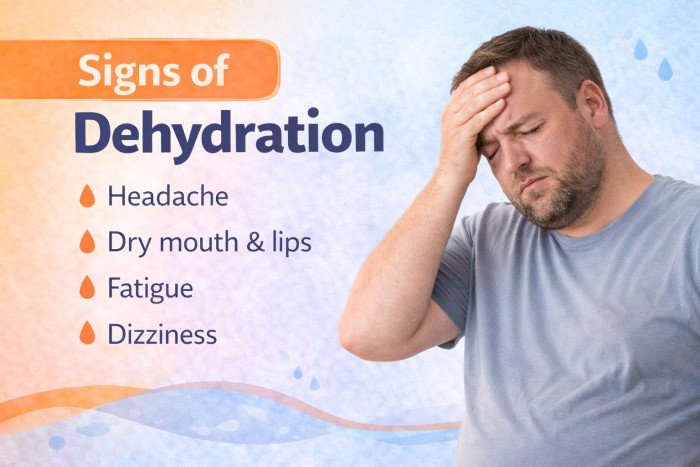
- Dry mouth or sticky lips
- Dark yellow urine
- Headache or brain fog
- Low energy or irritability
- Feeling unusually hot during light activity
- Dizziness when standing
If you want the full breakdown from mild to severe symptoms, read our guide on signs of dehydration.
Heat exhaustion warning signs
Hydration is only one part of heat safety. Know the signs of heat exhaustion so you can act early:
- Heavy sweating
- Weakness or shakiness
- Nausea
- Headache
- Muscle cramps
- Cool, clammy skin
- Dizziness or faintness
Move to a cooler place, loosen clothing, sip fluids slowly, and rest. If symptoms worsen, vomiting starts, or mental confusion appears, get urgent medical help. For a clearer emergency comparison, read heat exhaustion vs heat stroke.
Simple summer hydration habits that work
- Start early: drink in the morning instead of trying to catch up at night
- Pair water with routines: after waking, with meals, after walks, before driving
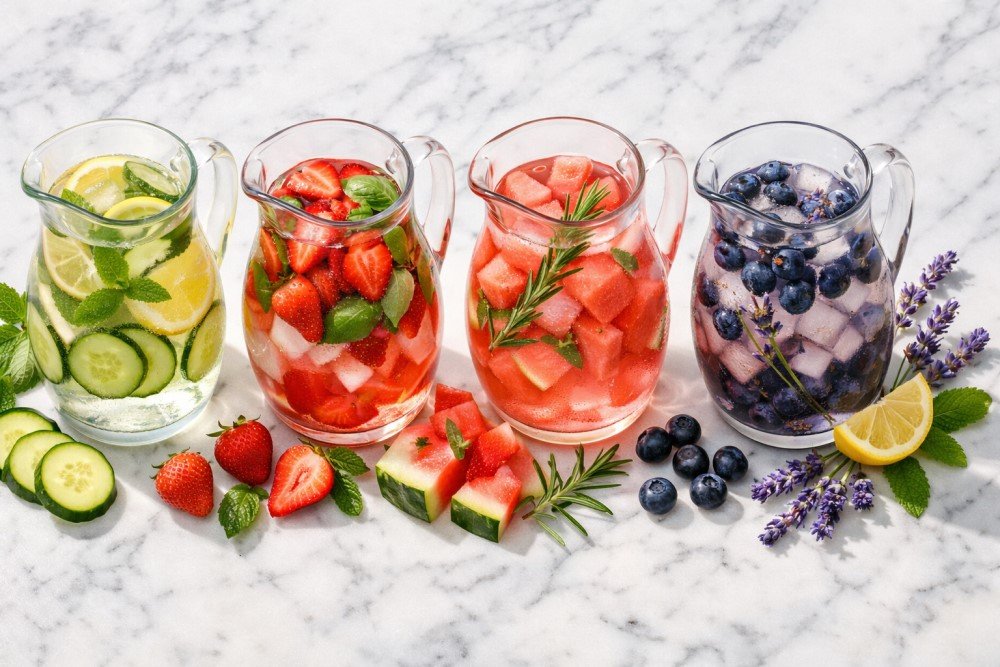
- Eat water-rich foods: watermelon, cucumber, oranges, yogurt, and soups help
- Pre-hydrate before heat: drink before outdoor activity, not only after
- Use electrolytes strategically: long sweaty sessions, not every desk job day
If plain water feels repetitive, use our new guide to water-rich foods for hydration for simple food ideas that support summer hydration without adding much effort.
If your main hydration question is what to use around training, walking, or sweaty outdoor sessions, add best electrolytes for hot weather workouts to your reading list before buying a stronger packet than you really need.
A simple hydration schedule for hot days
- Morning: 1 large glass of water soon after waking
- Mid-morning: another glass before caffeine or with breakfast
- Lunch: water with the meal
- Afternoon heat or workout: water plus electrolytes if sweating heavily
- Evening: enough fluid to recover, but not so much that sleep gets disrupted
Summer hydration mistakes
- Waiting until you feel awful before drinking
- Using only coffee and iced tea all day
- Assuming you need electrolytes for every short walk
- Ignoring sodium loss after long sweaty workouts
- Trying to chug all your water at night
Frequently Asked Questions
Should I drink electrolytes every day in summer?
Usually no. Most people do well with water for normal daily hydration. Electrolytes are more helpful when you are sweating heavily, exercising longer, or losing fluids from illness.
Can dehydration make you feel anxious or tired?
Yes. Even mild dehydration can affect mood, focus, and energy. Some women notice headaches, irritability, and a racing-heart feeling when under-hydrated.
What is the fastest way to rehydrate?
For mild dehydration, drink water slowly over 30 to 60 minutes. If you were sweating heavily or feel crampy and drained, use an electrolyte drink or a balanced snack with sodium and potassium.
Related Articles You May Find Helpful
 Signs of Dehydration: Complete Guide
 Electrolyte Drinks Complete Guide
 Signs You Need Electrolytes and Not Just Water
 Summer Wellness Guide for Women
How Much Water to Drink in Summer
Heat Exhaustion vs Heat Stroke
Summer Wellness Guide for Women
How Much Water to Drink in Summer
Heat Exhaustion vs Heat Stroke
 Water-Rich Foods for Hydration
How to Rehydrate Fast
Best Electrolytes for Hot Weather Workouts
Water-Rich Foods for Hydration
How to Rehydrate Fast
Best Electrolytes for Hot Weather Workouts
Important: Heat tolerance and fluid needs vary. Pregnancy, breastfeeding, kidney conditions, older age, and certain medications can increase heat risk, so adjust with clinical advice when needed.
Trusted sources
Turn this guide into a personal plan
Use your summer routine with a daily hydration number so your next action is clear, not generic.
Calculate your daily water target and save the result with your hottest-week routine.